If you live or run a small business in Florida, you depend on your air conditioner almost every day. When the air inside starts to feel dusty, smells stale, or triggers sneezing and coughing, it quickly affects comfort and focus. Studies show indoor air can be 2–5 times more polluted than outdoor air, and in some cases up to 100 times worse. That makes it reasonable to ask: Can a dirty AC filter make you sick?
A neglected AC filter can quietly circulate dust, allergens, and other particles throughout your space. Taking simple steps like checking your filter regularly and knowing when it needs attention can help reduce health risks, improve comfort, and support consistent cooling in Florida’s demanding climate.
This blog will explore the warning signs of a dirty filter, who’s most at risk, and how to fix the issue before it affects your well-being.
At a Glance:
Dirty AC filters reduce indoor air quality by circulating dust, allergens, and microbes, which can trigger respiratory, sinus, and skin irritation.
Poor airflow, unusual odors, visible debris, and humidity effects are key signs your filter needs attention.
Neglected filters collect pollen, pet dander, mold spores, and bacteria, affecting comfort and well-being.
Long-term exposure to poor air can worsen existing conditions, increase sensitivity, and affect vulnerable groups like children and seniors.
Preventive steps include regular filter replacement, choosing the right filter, humidity control, duct cleaning, and professional HVAC check-ups.
Why Air Filters Matter for Indoor Air Quality?
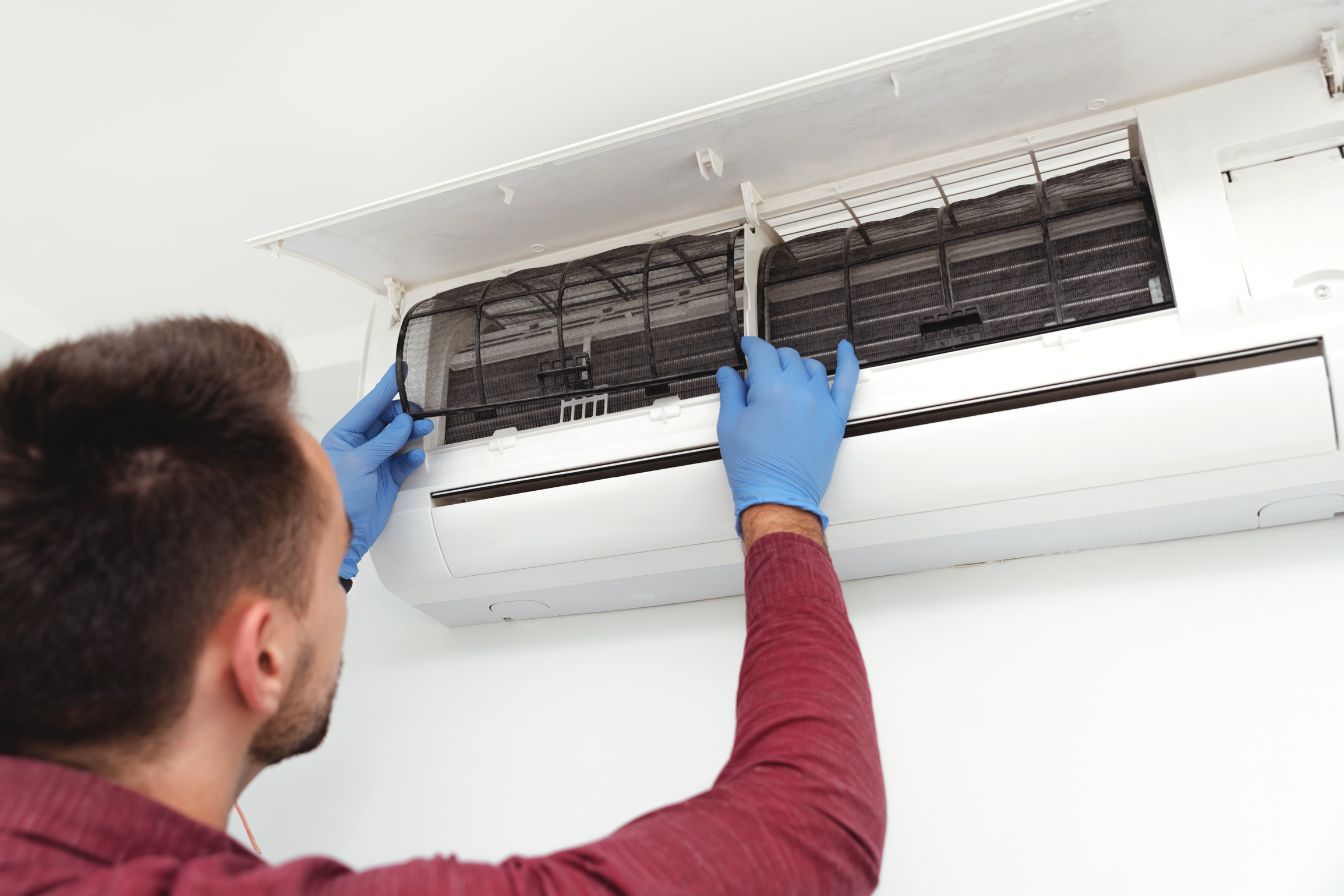
Air filters play a direct role in how clean and breathable your indoor air feels. In Florida homes and small businesses where AC systems run most of the year, filter condition affects air quality every day.
Here’s why it matters:
Air quality control: AC filters trap dust, pollen, pet dander, and other particles before air moves back into living or working areas.
Clean air circulation: A clean filter allows air to flow smoothly, reducing the chance of particles being pushed back into indoor spaces.
Allergen reduction: Filters limit how often allergens recirculate, which can reduce sneezing, coughing, and throat irritation.
Humidity-related protection: In Florida’s humid climate, filters help reduce the spread of moisture-driven contaminants like mold spores.
System protection: Capturing debris early prevents buildup on coils and inside ducts that can affect air quality.
Odor control: Dirty filters hold onto musty smells, while clean filters keep indoor air fresher.
Comfort support: Proper filtration keeps air moving evenly, helping maintain steady temperatures.
How Can You Know That Your AC Filter Is Dirty?
It isn’t always obvious when a filter needs attention, especially if your AC is tucked away behind a closet door or utility panel. But there are practical ways you can check if your filter is dirty or clogged:
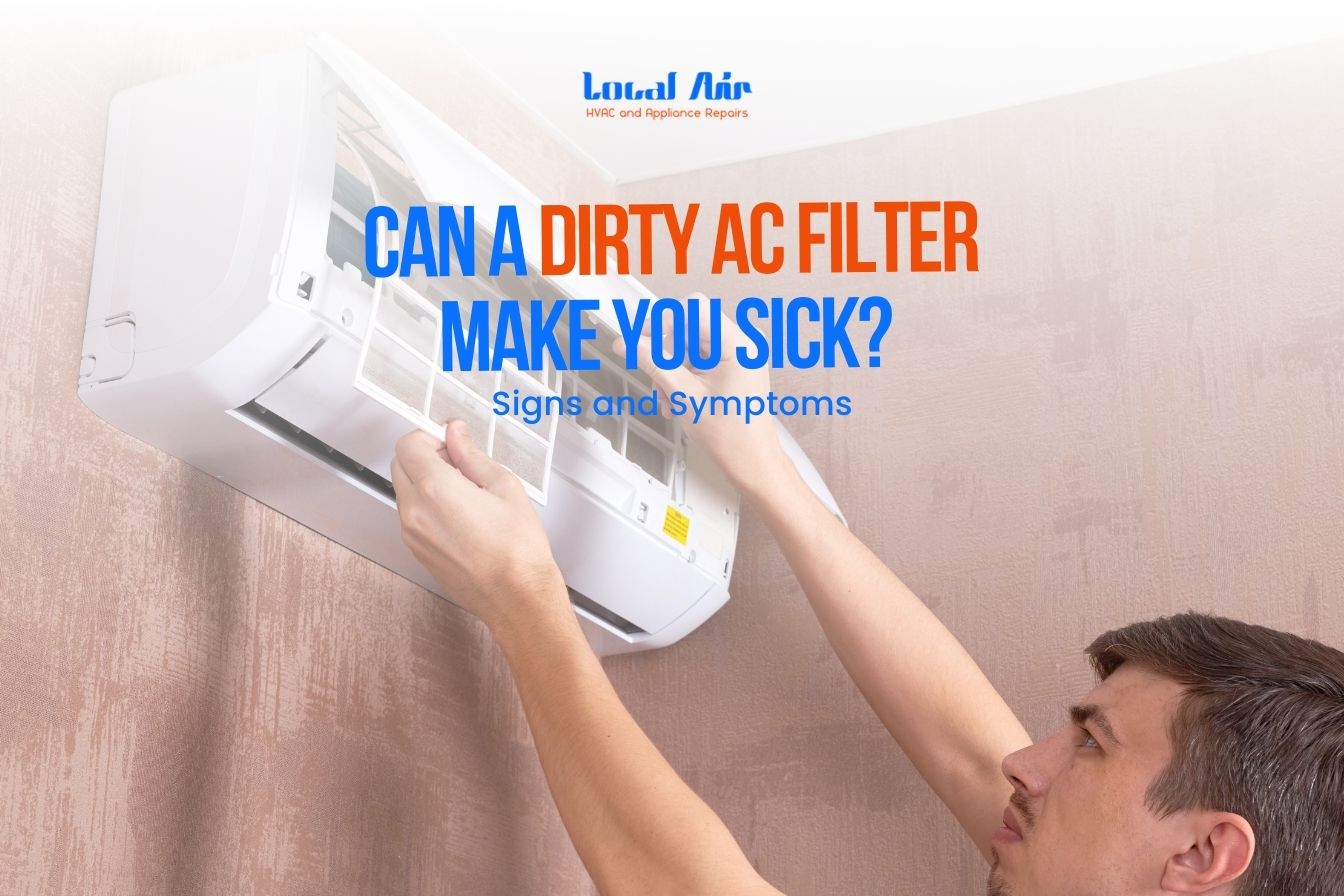
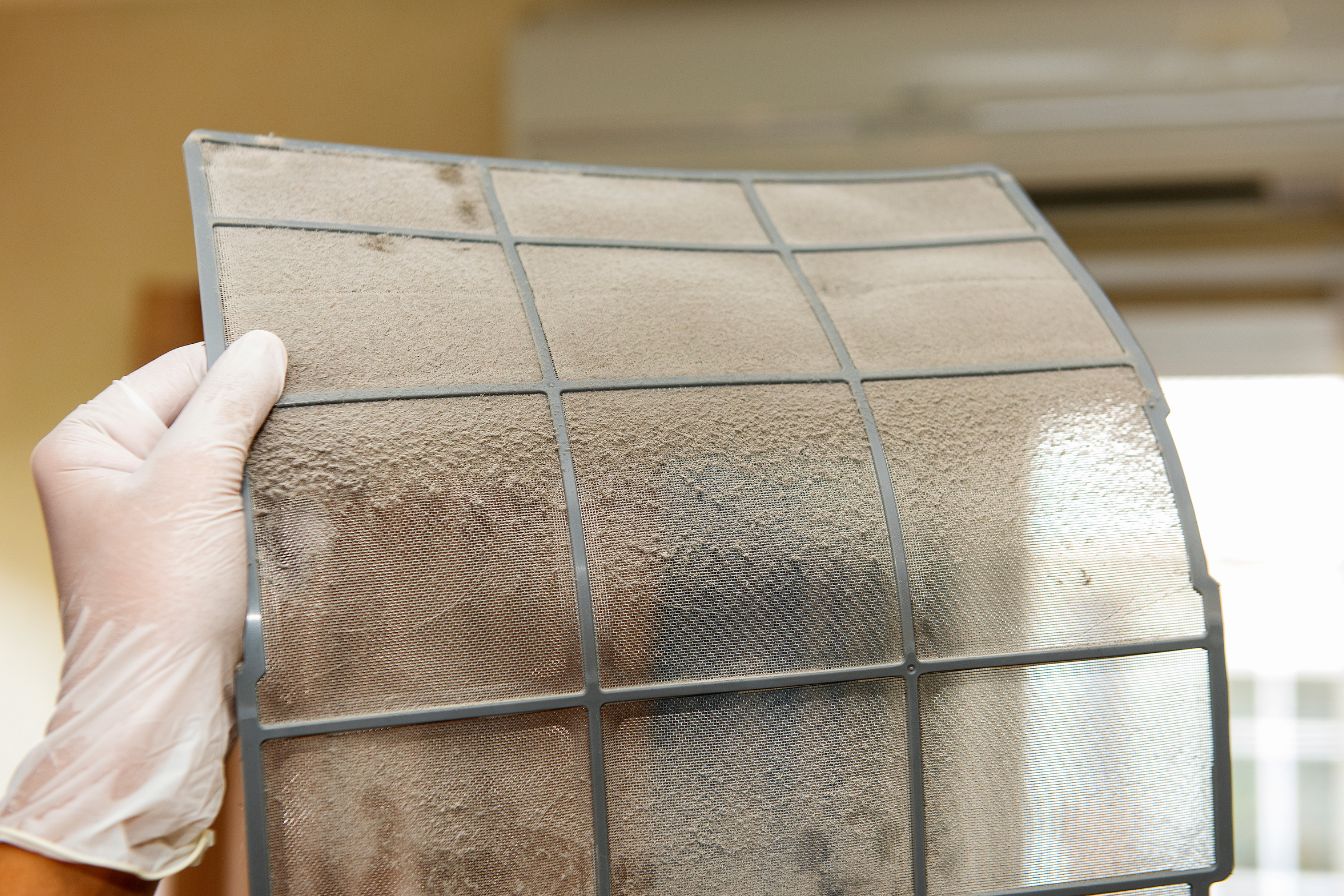
Visible buildup: If you remove the filter and see thick layers of dust, debris, or dark discoloration, it’s time to replace it.
Reduced airflow: When cooling vents feel weaker than usual, or some rooms struggle to reach the set temperature, a clogged filter could be causing it.
Unusual odors: A musty or stale smell around vents can mean trapped particles and moisture are circulating through your indoor air.
Humidity effects: In humid areas like Lake Worth Beach or Wellington, moisture can speed up mold growth on filters if they aren’t changed regularly.
You can check your AC filter yourself every month; it’s quick and easy. Keeping an eye on it helps prevent minor air quality issues from turning into bigger problems.
Common Signs and Symptoms of a Dirty AC Filter
Health symptoms linked to indoor air quality often develop slowly. Because they resemble common allergies or mild illnesses, many people don’t connect them to their AC system right away.
Understanding these symptoms helps answer the question: Can a dirty AC filter make you sick?
Respiratory and Allergy-Related Symptoms
A dirty filter traps airborne particles, and when air pushes past it, those particles can get back into your indoor air.
Common symptoms include:
Sneezing or a runny nose indoors
Coughing or throat irritation
Nasal congestion that improves outdoors
Increased allergy symptoms at home or work
For people with asthma or seasonal allergies, these reactions may feel stronger or more frequent when the AC is running.
Headaches, Fatigue, and General Discomfort
Poor air circulation affects more than just your lungs. Stale indoor air may contribute to symptoms that are harder to pinpoint.
Some people report:
Headaches that occur mostly indoors
Feeling tired or unfocused during the day
Eye irritation or dryness
Difficulty sleeping comfortably
While these symptoms can have many causes, many people overlook indoor air quality as a contributing factor.
Skin and Sinus Irritation
Dry, dusty, or contaminated air can irritate sensitive skin and sinus passages, particularly in air-conditioned environments.
You may notice:
Dry or itchy skin
Sinus pressure or discomfort
Postnasal drip or sore throat
A lingering sense of dryness indoors
Replacing or cleaning your filters can ease these issues, showing how a clean filter can improve your indoor comfort.
What’s Really Living Inside a Dirty AC Filter?
A dirty filter isn’t just dusty; it collects all sorts of contaminants. Understanding what builds up inside a neglected filter highlights why you shouldn’t ignore it.
Common contaminants include:
Dust and Dirt: Everyday particles from floors, furniture, and outdoor air gather in your filter, slowing airflow and irritating indoor air.
Pollen: Tree, grass, and plant pollen sneak in through open windows or doors and get trapped in your filter, which can trigger allergy symptoms.
Pet Dander: Hair and skin flakes from pets circulate easily and can worsen indoor allergies.
Lint and Fabric Fibers: Tiny fibers from clothes and linens get caught in the filter and can recirculate if it’s clogged.
Mold Spores: High humidity and moisture in Florida homes can allow mold spores to grow on damp debris, affecting air quality.
Bacteria and Microbes: Microorganisms multiply in a dirty, moist filter, which can irritate your lungs and create unpleasant smells.
Other Microscopic Particles: Pollutants like smoke, cooking residue, or outdoor dust build up, reducing indoor air quality even more.
Even small amounts of these particles can circulate when the AC runs, so checking and replacing your filter regularly keeps your indoor air cleaner.
Can a Dirty AC Filter Cause Long-Term Health Problems?

A dirty filter doesn’t directly cause disease, but long-term exposure to poor indoor air can create ongoing issues if ignored.
Worsening of Existing Conditions
People with existing conditions may be affected more.
Dirty filters can:
Worsen asthma symptoms
Increase allergy flare-ups
Irritate chronic sinus issues
Over time, this can affect daily comfort and productivity.
Increased Sensitivity Over Time
Repeated exposure to airborne irritants can increase sensitivity.
Some people notice:
More frequent symptoms over time
Lower tolerance for dust or odors
Longer recovery from colds
Cleaner air can help reduce these patterns.
Impact on Children and Older Adults
Certain groups are more vulnerable.
Children and seniors may:
Breathe faster or more shallowly
Spend more time indoors
Have developing or weakened immune system
Keeping filters clean helps create healthier indoor air for these groups.
Preventive Measures to Stop Sick Air Before It Starts
Keeping indoor air healthy starts with regular care and simple habits. The measures below help reduce airborne irritants and support better comfort without complex tools.
Replace filters regularly: Check and swap your AC filter every 1–3 months, depending on usage, pets, or allergy sensitivity. Fresh filters trap dust, pollen, and debris before it circulates indoors.
Choose the right filter type: Pick a filter with a MERV rating suitable for your system to balance airflow and filtration. Higher ratings aren’t always better if they block airflow.
Control indoor humidity: Keep humidity between 40%–60% to limit mold, dust mites, and mildew in your living spaces and AC system.
Schedule professional inspections: Regular HVAC check-ups can uncover hidden issues like duct contamination or airflow restrictions, helping maintain cleaner, healthier air.
Clean ducts when needed: Dust, lint, and microbial buildup in ductwork can circulate continuously. Professional duct cleaning reduces this risk and improves overall air quality.
Consider UV light installation: UV lights installed in your AC system can help limit microbial growth on coils and surfaces, reducing odors and airborne contaminants.
Monitor humidity: Using a hygrometer or home humidity monitor helps you adjust dehumidifiers or AC settings for balanced indoor air.
How Local Air HVAC Can Improve Your Indoor Air and Health?
Local Air HVAC, with decades of experience, can add value beyond basic filter changes by helping keep your air cleaner and your system running well, especially in Florida’s hot, humid conditions.
Here’s how we can help you:
Comprehensive filter inspection and replacement guidance: Technicians check your air filter condition during service calls and advise on the right replacement schedule for your space, helping reduce airborne contaminants before they circulate.
Professional system tune‑ups and airflow checks: Routine maintenance includes cleaning key system parts and verifying airflow, which supports better air circulation and reduces the chance of irritants lingering in your indoor environment.
Drain line flush and coil cleaning services: Cleaning evaporator coils and drain lines removes trapped debris and moisture build‑up that can contribute to mold growth and musty odors, improving the air your family or customers breathe.
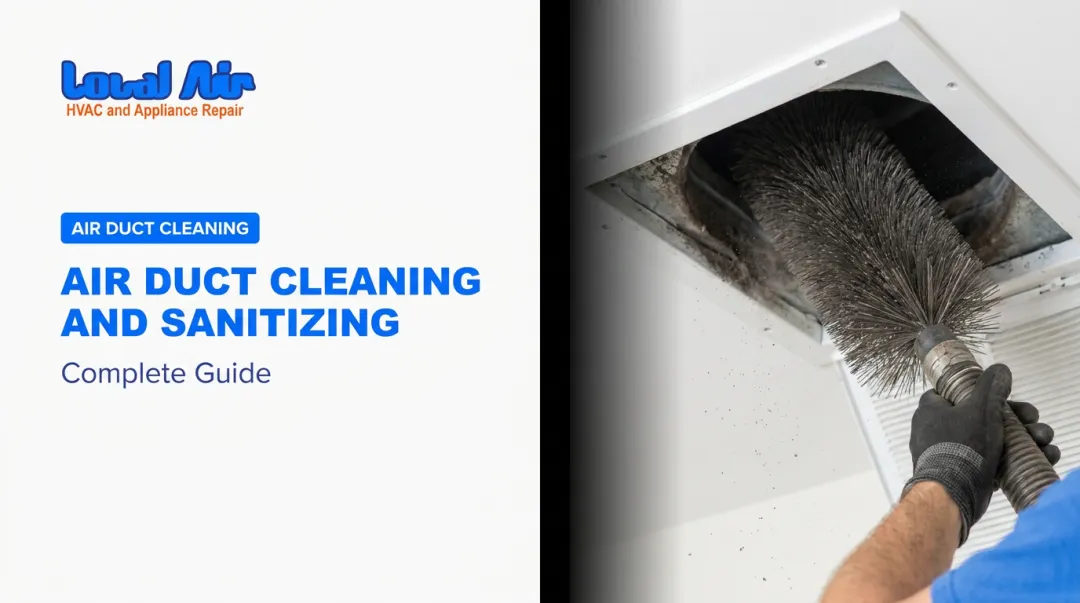
Duct cleaning services: Thorough duct cleaning captures accumulated dust, allergens, and microbial debris that a dirty filter may miss, helping maintain consistent air quality throughout your property.
UV light installation to support cleaner air: Installing UV lights in your HVAC system can help reduce microbial growth on coils and interior surfaces, lowering the presence of mold and bacteria in circulating air.
Dryer vent cleaning for added safety: Removing lint and blockages from dryer vents not only helps reduce fire risk but also stops these particles from entering shared indoor airflow, indirectly supporting indoor air quality.
Tailored recommendations based on your space: Rather than one‑size‑fits‑all advice, technicians evaluate your property’s specific needs and provide practical, easy‑to‑follow steps that align with your daily comfort and health goals.
These services work together to improve air quality, support comfort, and promote health for homes and businesses across West Palm Beach, Wellington, Royal Palm Beach, Lake Worth Beach, Delray Beach, Manalapan, Palm Beach Gardens, and Boca Raton.
Conclusion
A dirty AC filter can contribute to illnesses or discomfort by lowering indoor air quality and circulating pollutants like dust, allergens, and microbes throughout your home or business. While it isn’t the sole cause of every symptom, chronic exposure to poor indoor air can lead to respiratory irritation, allergy flare-ups, headaches, and ongoing discomfort.
Regular filter maintenance is one of the simplest ways to support healthier indoor air, but it works best when combined with professional HVAC care. If you live or work in Palm Beach County and want help improving indoor air quality, Local Air HVAC can help assess your system and recommend practical solutions tailored to your Florida property.
FAQs
Do dirty AC filters promote bacteria or virus spread?
Dirty AC filters can harbor dust, allergens, and microbial particles, which may worsen indoor air quality when airflow is restricted or filters are overloaded. However, they do not actively spread viruses or cause infections on their own. The main risk is increased exposure to airborne irritants and microbes that can aggravate respiratory symptoms, especially in sensitive individuals.
Who is most at risk from a dirty AC filter?
People with asthma, allergies, COPD, or other respiratory sensitivities are most affected by poor indoor air quality caused by dirty AC filters. Children and older adults may also experience discomfort more quickly because they are more sensitive to airborne irritants. While a dirty filter doesn’t directly cause illness, it can worsen symptoms or trigger reactions in vulnerable groups.
How often should you replace an AC filter to avoid sickness?
AC filters should generally be replaced every 1–3 months, depending on usage, filter type, and indoor air quality. Homes with pets, smokers, or high dust levels may need more frequent replacement to maintain healthy air and prevent bacterial or viral buildup.
Can dirty AC filters worsen COPD or other lung conditions?
Yes, clogged filters reduce airflow and circulate dust, pollen, and microbes, aggravating COPD, asthma, and other lung conditions. This can trigger flare-ups, worsen breathing difficulties, and increase the risk of respiratory infections in sensitive individuals.
What happens to humidity levels with a clogged AC filter?
A clogged AC filter restricts airflow, making the system less effective at removing moisture. This can lead to higher indoor humidity, promoting mold growth, musty odors, and discomfort, while reducing overall air quality and HVAC efficiency.