Sizzling or buzzing sounds can be a warning sign of an electrical problem. Massachusetts’ electrical fire safety guidance lists “sizzling or buzzing sound” as a reason to call the fire department immediately. That’s why you shouldn’t ignore it when your AC unit is making a loud buzzing noise in the middle of a South Florida heat streak.
For Palm Beach County homeowners and small businesses, the goal is to figure out where the buzzing is coming from, what’s safe to check yourself, and when it’s time to stop running the system to prevent bigger damage.
This guide walks you through quick triage and when to book service for a proper diagnosis.
Quick Take:
Safety first: If your AC unit making loud buzzing noise and comes with a burning smell, smoke, sparking, or breaker issues, shut it off and get help.
Location changes the cause: Outdoor unit, indoor unit, and breaker panel buzzing point to different problems, so pinpoint where it’s coming from.
Quick safe checks: Thermostat settings, filter condition, vents, and obvious outdoor debris can rule out easy airflow issues fast.
Don’t ignore repeat buzzing: Recurring noise often means a part is failing under load—even if cooling still “seems fine.”
Local fix: Book service with Local Air HVAC for diagnosis, repair, and preventative upkeep across Palm Beach County.
Is a Buzzing AC Dangerous? When to Shut It Off Immediately
Sometimes a buzzing AC is just vibration or a stressed part, but buzzing/sizzling can also be a warning sign of an electrical hazard, so you want to triage it fast instead of “waiting to see.”
Shut it off right now if you smell something burning or “hot plastic”; that odor is a common warning sign of an electrical hazard.
Shut it off if you see sparks, smoke, or arcing: treat it as an electrical emergency.
Shut it off if the breaker trips or needs frequent resetting: that’s a recognized electrical system hazard indicator.
Treat it as urgent if the buzzing is coming from the electrical panel, outlet, or switch: electricity should be quiet; buzzing can signal a wiring/connection problem.
Turn the system off if it buzzes but won’t start (or the fan isn’t spinning): don’t keep cycling it; you can worsen damage and increase risk. (At this point, call for service.)
Call the fire department if the buzzing/sizzling is strong or escalating: this is explicitly recommended in the state fire safety guidance.
Once you’ve ruled out immediate danger, the next step is simple: pinpoint where the sound is coming from.
Where Is the Buzzing Coming From? (Fast Location Check)
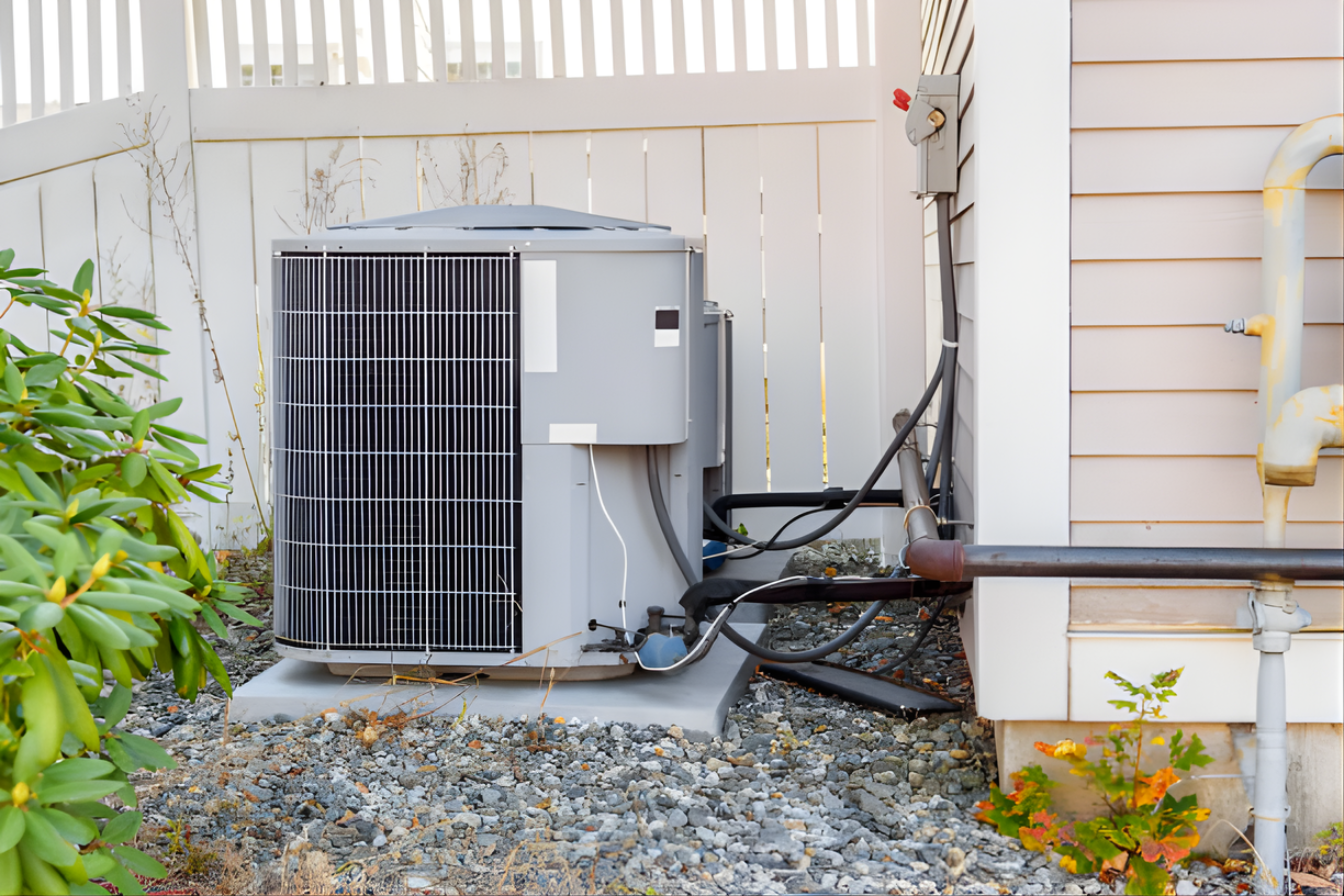
A buzzing noise means different things depending on which part of your system is making it. Use this quick “pick your scenario” guide to narrow it down before you call for service, it helps technicians diagnose faster and prevents unnecessary work.
If the buzzing is coming from the outdoor unit
This is the most common scenario and usually points to a mechanical or electrical component under strain.
Electrical contactor or capacitor issues – Buzzing at startup or during operation can mean these parts are failing.
Fan motor problems – Buzzing with little or no fan movement often signals a struggling motor.
Debris or obstruction – Leaves or dirt inside the unit can cause vibration and buzzing.
Loose panels or mounting hardware – Buzzing that changes with wind or when the unit ramps up is often vibration-related.
Compressor stress – Loud, persistent buzzing (especially with poor cooling) can indicate compressor trouble and should be treated as urgent.
If the buzzing is coming from the indoor unit
Indoor buzzing usually involves airflow, drainage, or internal components.
Blower motor strain – Buzzing paired with weak airflow often points here.
Dirty filter or restricted airflow – Can force components to work harder and buzz.
Loose internal panels or duct connections – Creates vibration that sounds electrical but isn’t.
Condensate or drain-related issues – In humid climates, moisture buildup can trigger safety switches or odd noises near the air handler.
If your breaker panel buzzes when the AC turns on
A breaker panel should run silently; buzzing is a warning sign.
High electrical load during AC startup – Some hum is normal, but loud buzzing is not.
Loose breaker or wiring connection – A common cause of buzzing at the panel.
Failing breaker – Buzzing combined with warm breakers or frequent trips is a red flag.
Shared circuit overload – Happens when too many loads hit the panel at once.
Note: If the buzzing is clearly coming from the panel (not the AC unit), don’t open it, turn the AC off, and call for professional help.
If nothing feels immediately dangerous, try these quick homeowner checks to gather useful clues first.
Safe Homeowner Checks You Can Do In 5 Minutes
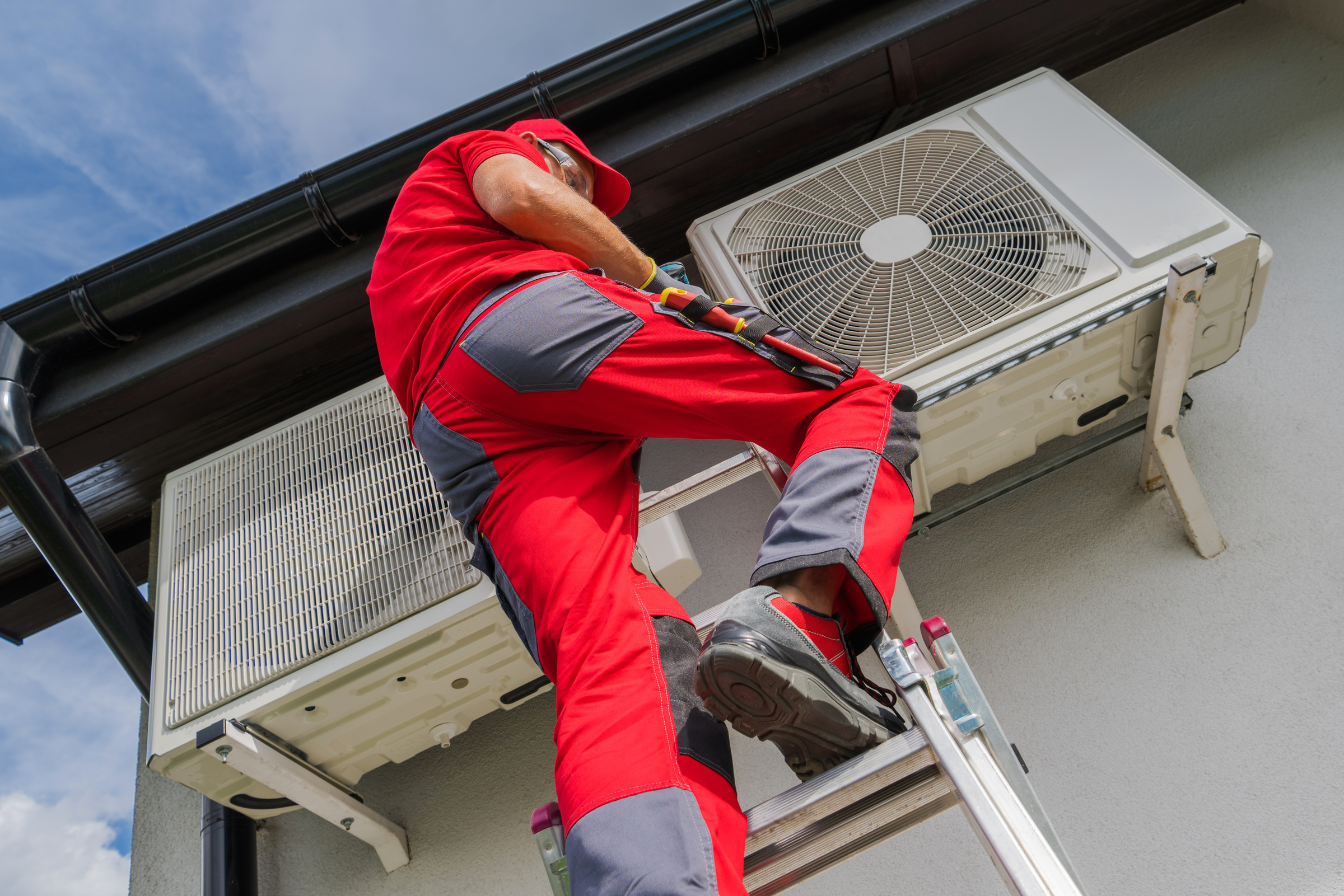
If your AC unit is making a loud buzzing noise but there’s no burning smell, smoke, or breaker tripping, these quick checks help you rule out the obvious and gather useful clues. They’re safe, require no tools, and make it easier (and faster) for a technician to diagnose the real issue if you end up booking service.
Quick check | What to do (30–60 seconds) | What it tells you | What to do next |
Thermostat settings | Confirm it’s set to Cool and Fan = Auto | Incorrect settings can mimic “AC not working” symptoms | Reset and listen if buzzing changes |
Air filter condition | If the filter looks dark/clogged, replace it (same size) | Restricted airflow can strain the system and worsen noise | Replace filter; if buzzing continues, move on |
Supply vents + returns | Make sure vents aren’t blocked by rugs/furniture | Blocked airflow increases system stress | Clear obstructions; note any rooms with weak airflow |
Outdoor unit area | Remove obvious leaves/debris around the unit (don’t open it) | Airflow obstruction can increase strain and vibration | Clear space and see if sound improves |
Sound pattern | Note when it buzzes: startup only, constant, or even when off | Patterns point to different root causes | Tell the technician the exact pattern |
Cooling symptom check | Are you getting warm air, weak airflow, or uneven cooling? | Helps prioritize urgency and likely fault | If cooling is poor + buzzing is loud, book service |
Visible water around indoor unit | Look for puddles near the air handler/closet (no touching wiring) | Drain issues can trigger shutdowns and odd behavior | Turn system off and book service to prevent damage |
If any check reveals burning smell, smoke, sparking, or breaker activity, skip the table and shut the system off, then call for help. Local Air HVAC provides fast diagnosis and repair across Palm Beach County. book service to get ahead of bigger AC damage.
To speed up diagnosis (and avoid guesswork charges), here’s exactly what to tell the technician when they arrive.
What to Tell the Technician?
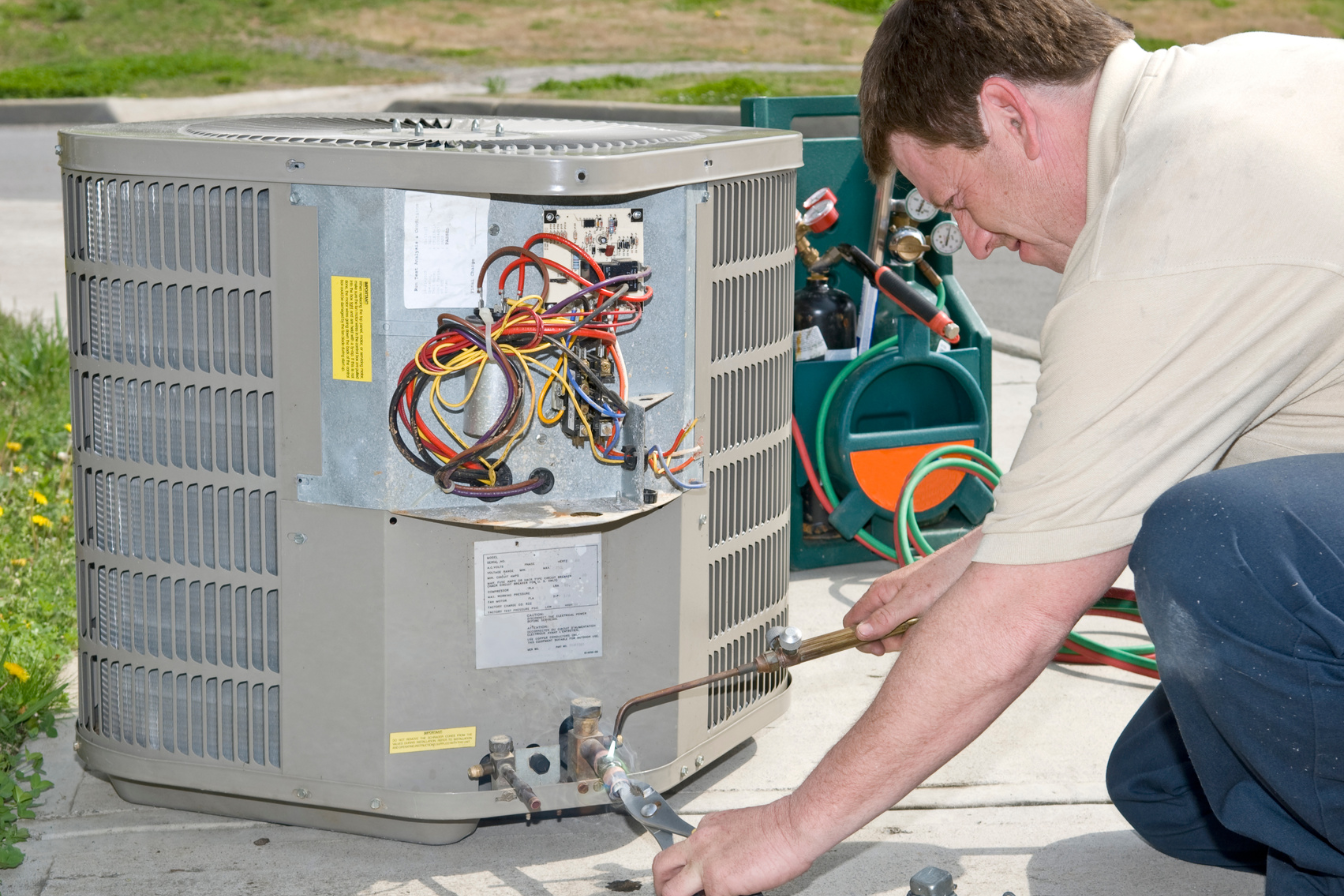
Giving the right context upfront helps avoid guesswork and repeat visits. When you book service with Local Air HVAC, sharing these details can speed diagnosis and keep your repair scoped correctly:
Does the buzzing change when you adjust the thermostat? (helps separate control vs equipment issues)
Did it start after a storm, power flicker, or outage? (common trigger for electrical component failures)
Is the outdoor fan spinning normally, or struggling to start?
Any recent humidity problems or water near the unit? (points to drainage or airflow stress)
Has refrigerant been added recently? (slow leaks often show up this way)
Is cooling weaker at certain times of day? (load-related failures often surface in afternoon heat)
Has this system had major repairs before? (repeat failures change the repair strategy)
Where is the air handler located: closet, attic, or garage? (access impacts scope and time)
These details help the tech arrive prepared and often mean faster fixes, cleaner quotes, and fewer follow-up visits.
How Local Air HVAC Helps Fix Buzzing AC Issues
Buzzing AC issues usually come down to strain, failing components, airflow restrictions, or moisture problems. Local Air HVAC focuses on finding the real cause first—then fixing what triggers repeat breakdowns.
Service we provide:
AC repair & maintenance: Troubleshoots buzzing at the source, then repairs what’s actually failing. Maintenance helps reduce repeat calls by catching stress points early.
System tune-ups: A full performance check that helps spot early warning signs before they become a loud noise or a no-cool emergency. Ideal for systems that run hard in South Florida heat.
Drain line flush/extractions: Clears clogs and buildup that can trigger shutdowns, water issues, and strain that shows up as unusual sounds. Especially useful in humid homes where drainage problems are common.
Condenser & evaporator coil cleaning: Removes buildup that forces your system to work harder and can contribute to vibration, buzzing, and poor cooling. Cleaner coils also help performance stay more stable.
UV light installation: Helps control microbial growth inside the unit, which supports cleaner internal surfaces and reduces odor and buildup over time. A good add-on if you’re dealing with recurring musty smells.
Duct cleaning: Removes accumulated debris that can restrict airflow and worsen comfort problems. Helpful when dust buildup is affecting airflow, allergies, or overall indoor air quality.
Dryer vent cleaning: Clears lint blockages that slow drying, waste energy, and increase fire risk. It’s an easy home-safety win that pairs well with HVAC upkeep.
Service areas: West Palm Beach, Wellington, Royal Palm Beach, Lake Worth Beach, Delray Beach, Manalapan, Palm Beach Gardens, and Boca Raton.
Conclusion
A sudden AC unit making a loud buzzing noise is stressful because it can be a harmless vibration, a warning sign of an electrical issue, or an expensive failure in progress. Pinpoint where the buzz is coming from (outdoor unit, indoor unit, or panel) and don’t ignore a noise that keeps returning, even if cooling “seems fine.”
Local Air HVAC can track down the issue, repair it properly, and reduce recurring breakdowns with scheduled maintenance, coil cleaning, and drain-line service. Book a service to get ahead of bigger damage.
FAQs
1. Why is my AC unit making loud buzzing noise only at night?
Nighttime can make vibrations sound louder, but if the buzz lines up with startup cycles, it may signal an electrical part struggling under load, book service if it’s consistent.
2. Can a buzzing AC damage the system if I keep running it?
Yes, if a motor or electrical component is failing, continued operation can worsen the damage and turn a smaller fix into a bigger repair.
3. Why does my AC buzz for a few seconds after it shuts off?
A brief buzz can come from components winding down, but repeated or increasing buzzing after shutdown can point to a failing control part that needs inspection.
4. My AC cools fine, but the buzzing is getting louder—should I still call?
Yes—cooling performance doesn’t rule out an electrical or mechanical failure developing; louder buzz is a common “early warning” sign.
5. What’s the fastest way to get an accurate diagnosis without paying for unnecessary work?
Share the exact buzzing location and timing, then choose a provider that diagnoses first and scopes repairs clearly, rather than guessing or pushing replacements.