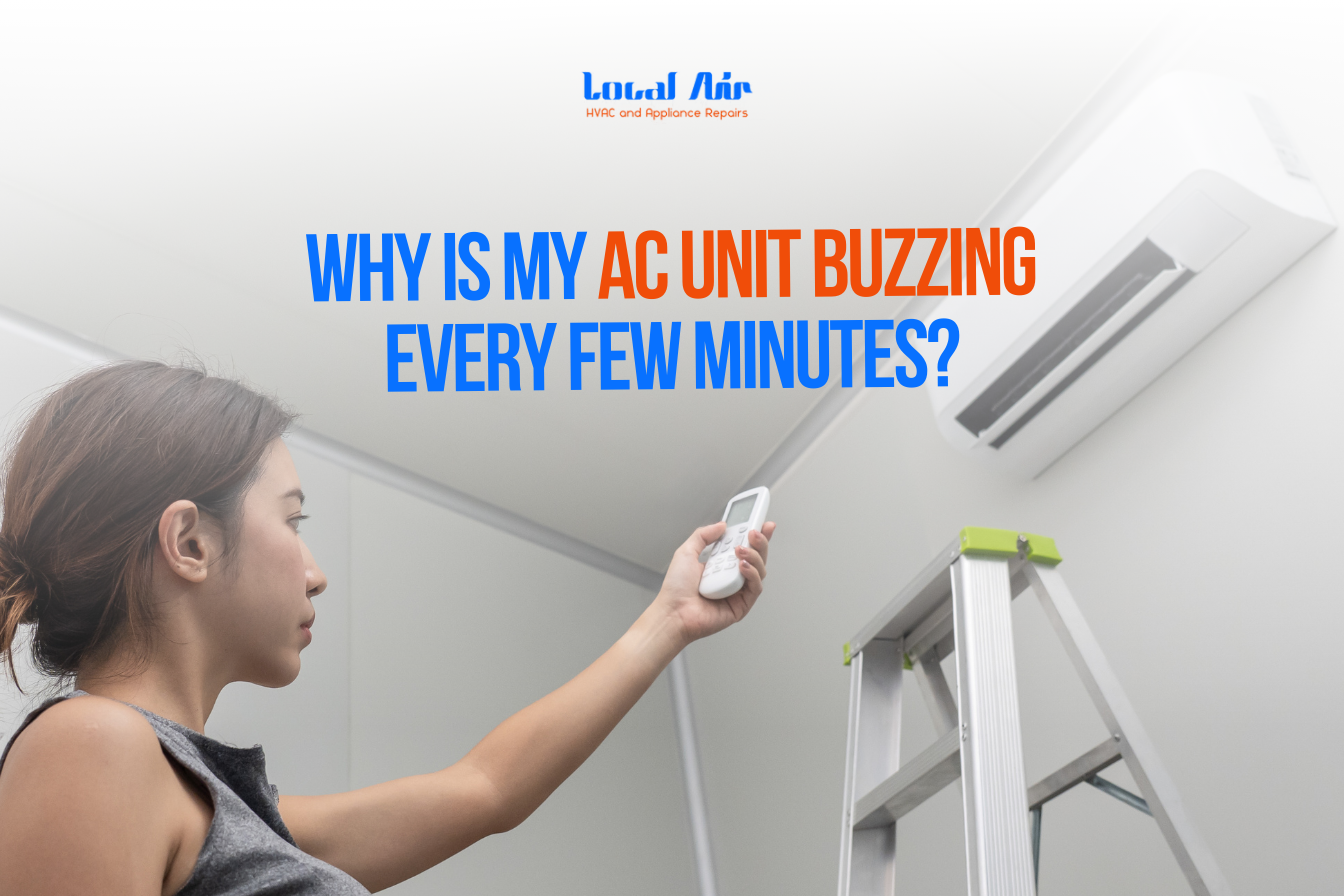
Living in Florida means relying on your air conditioner to stay comfortable in hot, humid weather. But if your AC buzzes every few minutes, it can be worrying, even when cooling seems fine. That sound often points to electrical issues, loose components, or airflow restrictions. Nearly 42% of homeowners skip annual HVAC service, increasing the likelihood of higher energy bills, uneven cooling, or sudden failures during peak heat.
Understanding why your AC unit buzzing every few minutes puts you in a better position to act before damage spreads. Identifying the source early helps you avoid emergency repairs, reduce system strain, and maintain consistent indoor comfort throughout Florida’s long cooling season.
This guide explores what an AC buzzing sound usually means, the most common causes behind it, and what steps you can take to fix the issue early.
At a Glance:
Buzzing from your AC every few minutes often signals electrical, mechanical, or airflow issues that should not be ignored to avoid wasted energy and damage.
Different types of buzzing, clanking, or hissing sounds can point to problems ranging from loose components to failing motors or refrigerant issues.
Common causes include electrical component wear, loose or aging parts, restricted airflow, debris in the outdoor unit, compressor pressure, and moisture-related electrical issues.
Some simple checks, like clearing debris and inspecting filters, can be done safely at home, but most causes need a professional to diagnose and repair for long-term system health.
What Does a Buzzing Sound from an AC Unit Usually Mean?
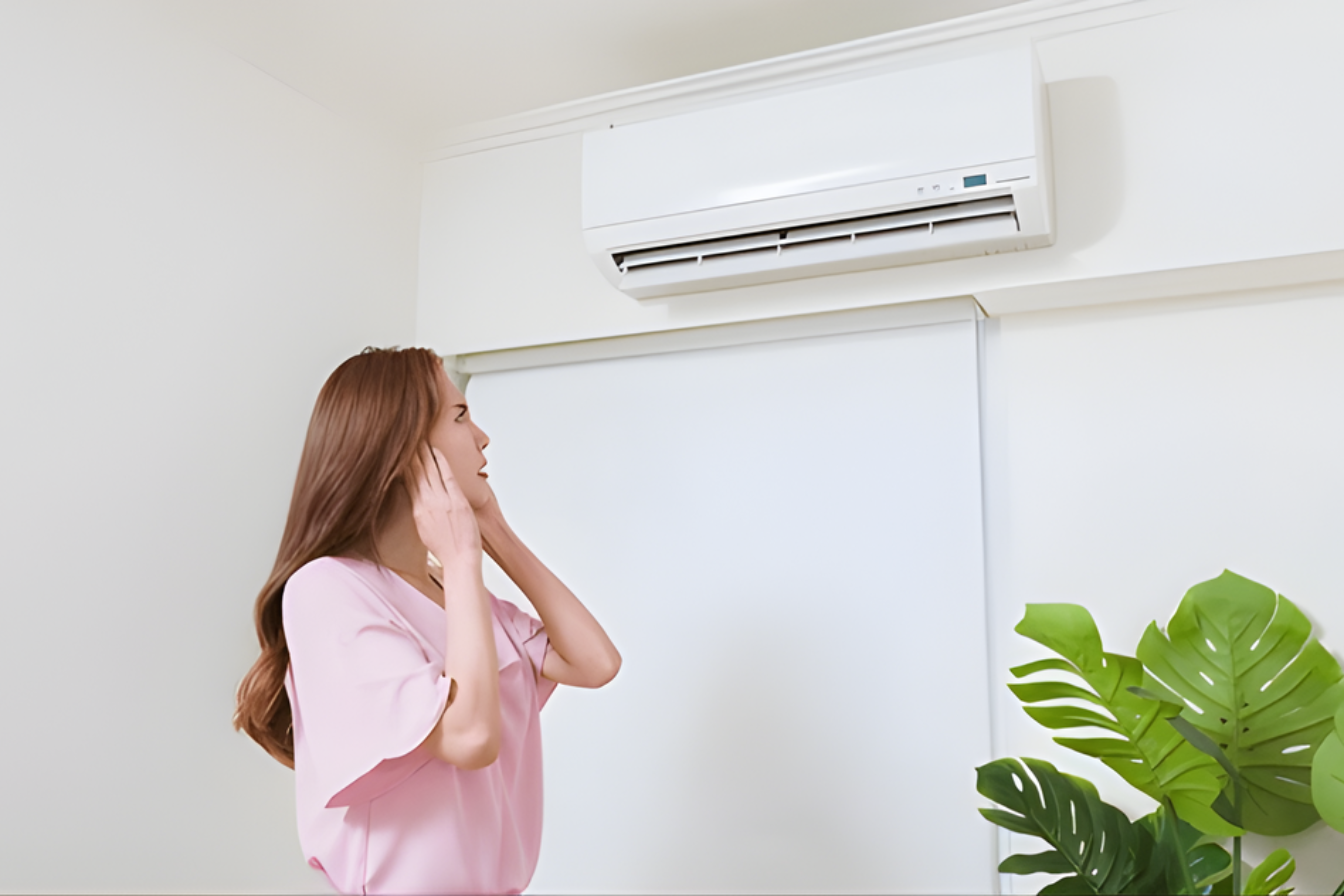
When your AC makes a buzzing noise, especially every few minutes, it usually means the system cycles on and off in an irregular way. In many cases, buzzing is tied to electrical or mechanical components that are struggling to start, are loose, or are worn out.
In Florida’s year-round cooling environment, these small warning signs often show up earlier and more frequently than in milder climates. While some noises are harmless, repeated buzzing should never be ignored.
Types of Buzzing Sounds You Can Hear from an AC
Different sounds often point to different issues inside your AC system. Paying attention to the type of noise can help you understand how serious the problem may be and what kind of action it calls for.
Buzzing or Electrical Humming: A steady buzzing sound often points to electrical components like contactors or capacitors struggling to operate. When this happens every few minutes, it may signal early electrical wear.
Clanking Sounds: Clanking noises usually result from loose or shifting internal parts. Over time, vibration from regular AC use can cause screws or brackets to move out of place.
Clinking or Rattling Sounds: Light metallic clinks or rattles may indicate small debris inside the outdoor unit or minor panel looseness. These sounds can get worse if left unaddressed.
Banging Noises: A louder banging sound often suggests a more serious mechanical issue, such as a failing motor or loose internal component. Check this quickly to avoid further damage.
Squealing or High-Pitched Sounds: Squealing noises are commonly linked to worn belts or motor bearings. In Florida’s heat, these parts wear faster because of constant use.
Humming Noise: A low humming sound can occur when a motor receives power but cannot start properly. This may be related to capacitor issues and often appears during frequent cycling.
Hissing Noise: Hissing may indicate airflow restrictions or refrigerant-related pressure on the system. While not always loud, it should be checked by a professional.
Common Causes of AC Unit Buzzing Every Few Minutes
There are several reasons an AC unit may buzz intermittently. In Florida homes, these causes are often linked to heat exposure, humidity, aging equipment, and extended run times.
Understanding these triggers can help you recognize risk levels and decide when professional evaluation is the safer choice.
Electrical Issues Inside the AC System
Electrical components decide when and how your AC starts, runs, and stops. When these parts wear down, buzzing is often one of the first signs.
Common electrical-related causes include:
Failing capacitors that can’t store or release energy properly
Worn contactors that lose proper electrical contact
Loose wiring caused by vibration or age
Electrical buzzing should always be taken seriously. Left unresolved, it can lead to system failure or safety risks.
Loose or Aging Components
Over time, screws, brackets, and panels can loosen due to constant vibration. Florida heat accelerates material expansion, which increases the chance of movement.
Loose components can cause:
Buzzing or rattling sounds
Increased wear on nearby parts
Reduced system efficiency
While some loose parts are easy to tighten, others are located inside the unit and should be handled by a trained technician.
Restricted Airflow in Ducts or Vents
Airflow problems often create pressure changes that result in buzzing noises. When air cannot move freely, your AC works harder.
Common airflow restrictions include:
Dirty air filters
Dust and debris inside the ductwork
Blocked or closed vents
In humid areas like Wellington and Royal Palm Beach, duct buildup can worsen quickly. This increases energy use and shortens equipment life.
Failing Condenser Fan Motor
The condenser fan motor helps release heat from the system. When it starts to fail, it may buzz intermittently as it struggles to maintain speed.
This issue often appears as:
Buzzing every few minutes during operation
Reduced cooling performance
Higher energy bills
Ignoring this problem can lead to overheating and a complete system shutdown.
Debris Inside the Outdoor Unit
Outdoor units in Florida are exposed to leaves, sand, insects, and storm debris. Even small objects can interfere with moving parts.
Debris-related buzzing may occur when:
Objects contact the fan blades
Dirt buildup slows down movement
Moisture causes internal corrosion
Routine inspection helps catch these issues before they damage key components.
Compressor Stress or Early Failure
The compressor is responsible for circulating refrigerant and keeping the cooling cycle running. When it is under stress or beginning to fail, it can produce a buzzing sound as it struggles to start or maintain pressure.
Common signs include:
Buzzing every few minutes during system operation
Delayed or inconsistent cooling
Louder noise when the unit turns on or off
Ignoring compressor stress can lead to complete system failure and expensive repairs.
Refrigerant Leaks or Pressure Issues
Refrigerant helps absorb and release heat during the cooling process. When pressure levels are off due to leaks or restrictions, the system may buzz as it repeatedly tries to correct the imbalance.
Typical symptoms include:
Intermittent buzzing while the system runs
Reduced cooling output despite longer run times
Gradual rise in energy usage
Leaving refrigerant issues unresolved can place added strain on the compressor and other components.
Moisture-Related Electrical Stress
Humidity is a constant factor in South Florida. Moisture can affect electrical connections and cause corrosion over time.
This often leads to:
Intermittent buzzing sounds
Inconsistent system cycling
Higher risk of electrical failure
Moisture-related problems are common in older systems and coastal areas such as Manalapan and Boca Raton.
Common Fixes for AC Buzzing Issues
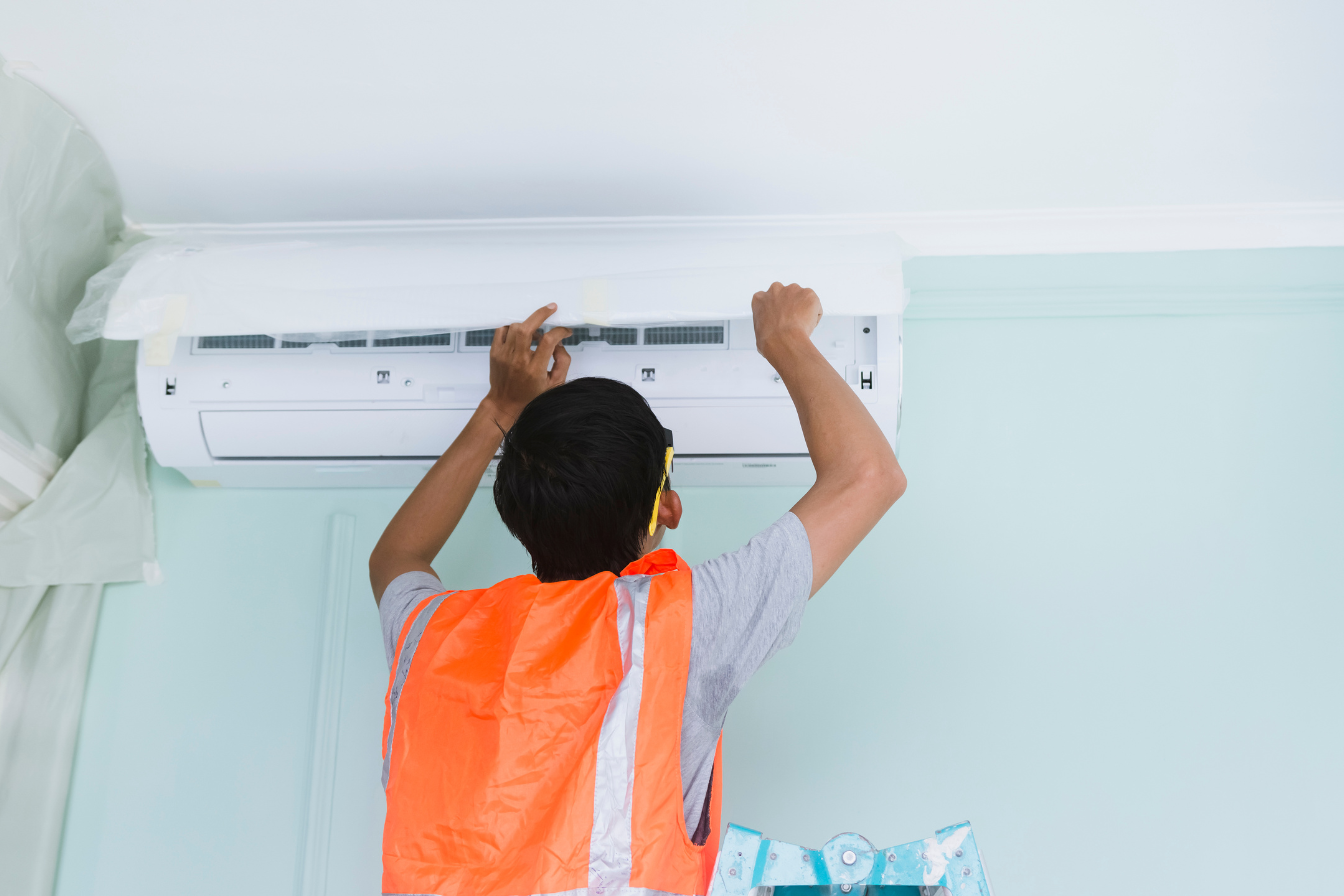
Not every buzzing sound means you need immediate repairs, but some steps should only be done by professionals. Knowing which actions are safe helps prevent accidental damage or safety risks.
Simple Checks Homeowners Can Do Safely
Some causes of AC buzzing come from external factors that homeowners can check without tools or special skills. You don’t need to open the unit or touch electrical parts for these checks.
Check for visible debris around the outdoor unit: Leaves, grass, or palm fronds can block airflow and put extra strain on the system. Clearing debris around the condenser can help reduce buzzing noises.
Listen for changes in the sound pattern: Note when the buzzing happens and how long it lasts. This helps you figure out if the problem is electrical, mechanical, or airflow-related.
Inspect air filters: Dirty filters restrict airflow and make the system work harder. Replacing filters regularly can help prevent abnormal cycling that causes buzzing.
Issues That Require Professional Attention
Many buzzing causes involve electrical components or internal parts. These should never be handled without proper training.
Electrical component replacement: Contactors, capacitors, and relays need the correct size and safe installation. Handling them incorrectly can cause injury or more damage.
Motor diagnostics and repair: Motors must be tested under load conditions. A professional can figure out whether they need repair or replacement.
Refrigerant evaluation: Only licensed technicians should handle refrigerant due to safety and environmental rules.
Internal cleaning and moisture control: Professionals can safely clean coils, fix wiring, and manage humidity issues.
How Local Air HVAC Can Diagnose and Fix Buzzing AC Issues?
Local Air HVAC supports homeowners and small businesses across Palm Beach County with targeted inspection and repair services designed for Florida’s climate.
Here’s how we can help you:
Comprehensive system check: A trained technician inspects your entire air conditioning system, from the outdoor condenser to the indoor blower, to identify what’s making the noise and why it’s recurring.
Electrical component testing: Buzzing often signals electrical strain. Technicians measure voltage and inspect contactors, capacitors, and wiring connections to pinpoint weak or failing parts.
Airflow evaluation: Poor airflow can stress motors and compressors, which leads to buzzing under load. Filters, evaporator coils, and ductwork are checked to see if they’re restricting airflow and contributing to the sound.
Outdoor unit inspection: The condenser and fan are examined for debris, loose panels, or worn parts that could cause vibration or unusual sounds with every cycle.
Preventive diagnostics: Beyond fixing the immediate buzz, Local Air HVAC looks for early wear or humidity‑related issues that could lead to bigger problems, helping you avoid sudden breakdowns in Florida’s heat.
Maintenance recommendations: After identifying the cause, techs advise on the right maintenance steps, such as coil cleaning, duct cleaning, or seasonal tune‑ups, so your system runs more smoothly and quietly.
Residential and light commercial support: Whether you’re in a West Palm Beach home or a small retail space in Boca Raton, the team provides consistent service tailored to how frequently Florida systems run.
This approach helps you understand the cause of buzzing sounds and the practical steps to fix them without unnecessary part replacement or guesswork.
Conclusion
An AC buzzing every few minutes is never just background noise. While some causes may start small, repeated buzzing often signals electrical strain, airflow problems, or components nearing failure. Ignoring these signs can lead to higher repair costs, reduced efficiency, or sudden breakdowns during peak heat.
By understanding the most common causes and acting early, homeowners can reduce risk and protect their investment. Professional diagnosis helps identify the root issue and supports safer, more reliable cooling. If your AC is buzzing intermittently, Local Air HVAC can help assess the issue and recommend appropriate next steps. Contact us today.
FAQs
Why does the buzzing happen every few minutes (not constantly)?
Periodic buzzing often occurs due to the AC’s electrical components cycling on and off, like the compressor or fan motor. Loose parts, failing capacitors, or refrigerant issues can trigger intermittent noises rather than a constant sound.
Is it safe to keep running an AC that’s buzzing?
Running a buzzing AC isn’t recommended. It may indicate electrical or mechanical issues that can worsen over time, potentially causing component failure, higher energy bills, or safety hazards. Immediate inspection by a qualified HVAC technician is safest.
How much does it cost to repair an AC that buzzes every few minutes?
Repair costs depend on the specific issue causing the buzzing. Minor problems, such as a worn capacitor or loose parts, generally require less work, while more complex issues like motor or compressor repairs involve additional labor and parts. A professional inspection is the best way to get an accurate estimate tailored to your system.
Why is my outdoor AC unit buzzing on startup?
Buzzing at startup often comes from the compressor or fan motor engaging. It may be normal if brief, but persistent or loud buzzing can indicate a failing capacitor, electrical problem, or motor issue that needs professional attention.
Can a faulty capacitor cause periodic AC buzzing?
Yes, a failing capacitor can cause intermittent buzzing as it struggles to start or run the compressor or fan motor. This often results in short bursts of noise every few minutes, especially during startup or when the AC cycles on and off.