Maintaining healthy indoor air quality (IAQ) has become essential for homeowners and small business operators, especially in South Florida’s hot, humid climate. Mold, dust, and microbial buildup in HVAC systems can cause uneven cooling, higher energy bills, and even health issues.
Ultraviolet (UV) lights for A/C units have emerged as a practical solution for improving indoor air quality and reducing microbial growth within HVAC systems. Studies show that UV-C lights can reduce airborne bacteria by 25–30% when installed on cooling coils and drip pans, helping homes and small offices maintain cleaner, healthier air.
Their effectiveness, however, depends on proper system evaluation, placement, and installation. This blog explores the pros and cons of UV lights in HVAC systems, including their types, working mechanisms, benefits, limitations, and safety considerations.
In a nutshell:
UV lights for A/C units control mold, bacteria, and microbial growth inside HVAC systems, especially on coils and damp surfaces.
Different UV light types protect coils, purify air, or cover entire systems based on layout and needs.
Benefits include better indoor air quality, less odor, cleaner components, and more consistent system performance.
Limitations include partial coverage of airborne contaminants, ongoing maintenance, installation costs, and limited effect on non-biological pollutants.
UV lights work best as an extra layer of protection alongside regular HVAC maintenance, filtration, and professional system checks.
What Are UV Lights in HVAC Systems?
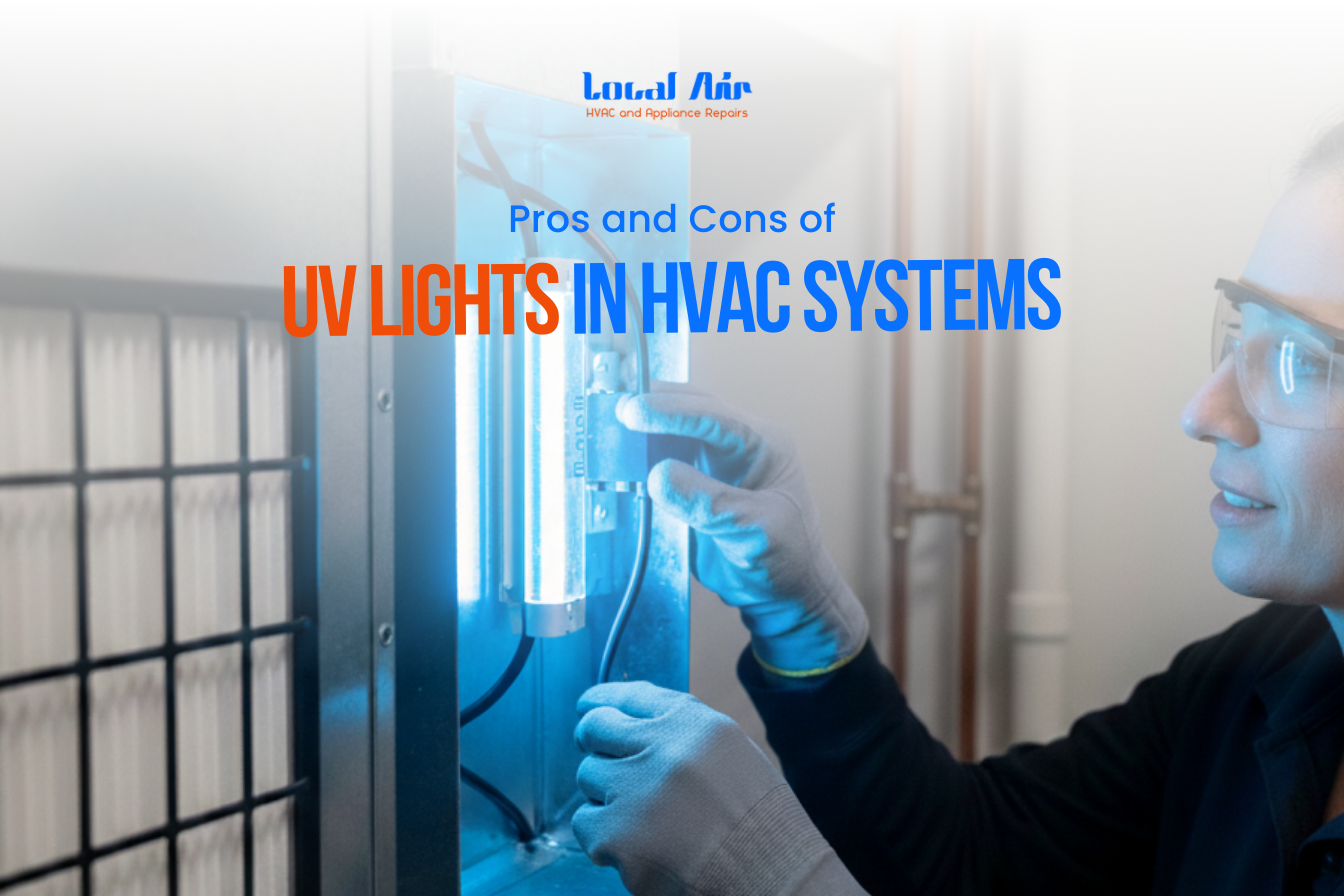
UV lights are specialized ultraviolet lamps installed within HVAC units to reduce microbial growth, including bacteria, viruses, mold, and other contaminants. By emitting UV rays in a specific wavelength range, these systems target microorganisms that can accumulate on coils, drain pans, and duct surfaces, keeping air cleaner and reducing odors.
Homeowners in humid regions widely use UV lights, as they actively reduce biological buildup in spots that traditional filters can’t reach.
Types of UV Lights Used in HVAC Systems
There are a few common types of UV lights installed in HVAC systems, each suited to specific purposes:
Coil Sterilization Lamps: These are positioned near the cooling coils of the air conditioning unit. Their primary role is to prevent mold and microbial growth on coil surfaces, which can reduce cooling efficiency and produce unpleasant odors.
Air Purification Lamps: Installed in the return air duct, these lamps treat the air as it passes through, cutting down bacteria, viruses, and mold spores before they reach living or working spaces.
Whole-system UV Setups: Used in larger or more complex systems, these setups combine multiple lamps across coils and ducts to maintain cleaner air across high-load areas.
Knowing which UV light type to choose is essential for noticeable improvements in air quality and system reliability.
How UV Lights Work Inside an HVAC System
UV lights work quietly in the background of an HVAC system. They don’t change airflow or cooling directly. Instead, they focus on keeping mold and bacteria under control in areas where moisture and dust build up.
Below is a step-by-step process of how UV lights for A/C units function once installed.
Target Placement: UV lights are installed near cooling coils or inside return air ducts, where moisture, dust, and organic buildup are most common.
Continuous UV Exposure: The lamp emits ultraviolet-C (UV-C) light continuously while the HVAC system operates, exposing nearby surfaces and passing air.
Microbial Disruption: UV-C light damages the DNA of mold, bacteria, and other microorganisms, limiting their ability to grow or spread inside the system.
Cleaner Coil Surfaces: By reducing microbial film on coils, UV lights help airflow stay steady and make heat transfer work better.
Reduced Airborne Contaminants: When installed in ductwork, UV lights neutralize some airborne microbes before they circulate into occupied spaces.
Support for System Reliability: Cleaner internal components place less strain on the system, helping reduce maintenance-related interruptions and unexpected service calls.
UV lights do not replace mechanical cleaning or filtration. Instead, they support cleaner system operation by controlling growth in areas that are hard to reach during routine maintenance.
5 Key Benefits of Installing UV Lights in HVAC Systems
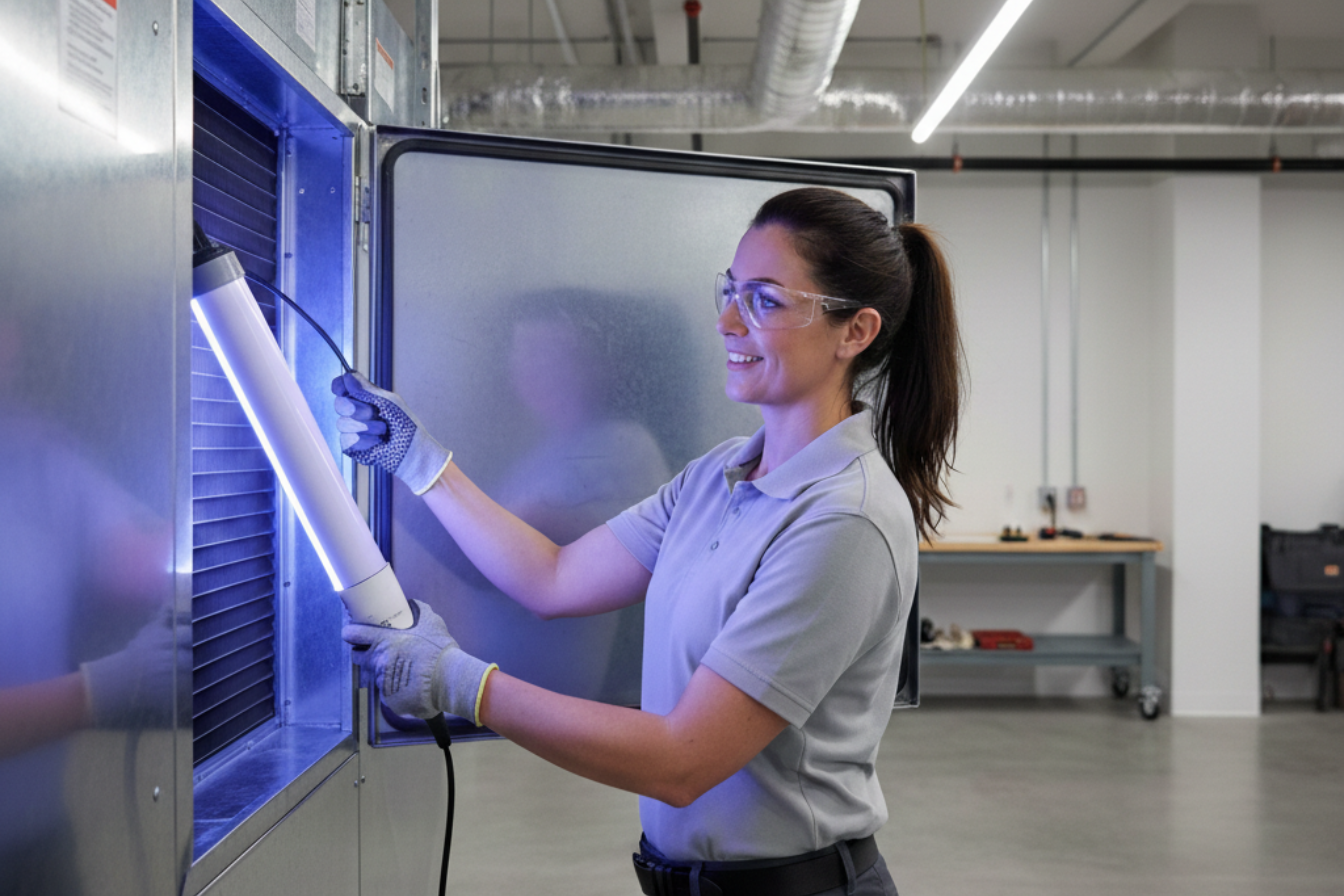
UV lights for A/C units can deliver measurable operational and health benefits when installed correctly. Some of the key benefits include:
Reduced Microbial Growth on Equipment
UV lights inhibit the growth of mold, bacteria, and other microorganisms on key HVAC components, particularly cooling coils.
Impact on your system:
Maintains consistent airflow
Reduces the risk of coil corrosion
Helps prevent equipment degradation over time
By targeting microbial buildup at the source, UV lights help your AC system run more reliably and require fewer emergency repairs.
Improved Indoor Air Quality
Airborne bacteria, mold spores, and allergens can circulate throughout a property if left unchecked. UV lights installed in ducts or near the coil can neutralize many of these contaminants.
Benefits for occupants:
Healthier breathing environment
Reduced exposure to allergens and microbial pollutants
Supports better comfort in humid climates like South Florida
This benefit is particularly important for homes with sensitive occupants or commercial spaces where air quality directly affects comfort.
Odor Reduction
Microbial growth in HVAC systems often produces musty or unpleasant odors, which can reduce comfort levels in both homes and offices.
How UV lights help:
Minimize smells caused by mold or bacterial buildup
Maintain a fresher indoor environment without chemical treatments.
By tackling odor at its source, UV lights complement other cleaning measures to make your indoor environment more pleasant.
Support for Preventive Maintenance
UV lights are most effective when used with routine AC servicing. They can make deep cleaning or emergency repairs less frequent, helping manage maintenance costs and schedules without stress.
Operational advantages:
Reduces the frequency of deep coil cleanings
Lowers the risk of unexpected system failures
Helps extend the intervals between emergency maintenance visits
When used strategically, UV lights serve as an additional layer of preventive care, helping you keep your system running smoothly and maintenance manageable.
Potential Energy Efficiency Gains
While UV lights themselves do not directly cool your property, they can help your AC system perform better. Cleaner coils allow the system to transfer heat more effectively.
Key outcomes:
Maintains consistent cooling output
Reduces strain on the compressor and other components
Supports steady energy consumption patterns, potentially lowering operational costs
By preventing microbial buildup that blocks airflow and heat transfer, UV lights help the AC system operate closer to its designed performance.
These benefits are particularly relevant for Florida properties, where high humidity and heavy AC usage can speed up microbial growth and reduce system performance.
5 Cons of UV Lights in HVAC Systems
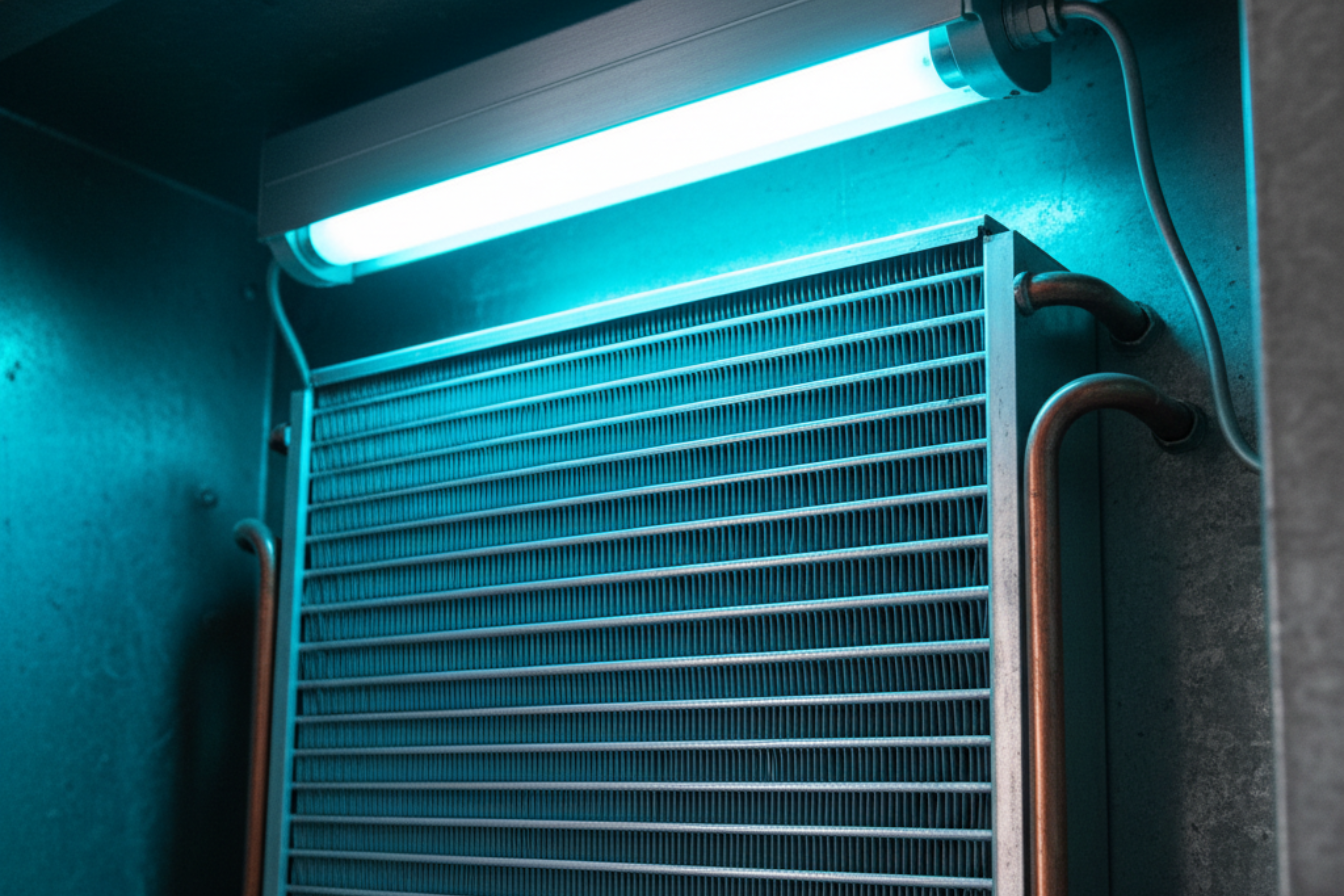
While UV lights offer clear advantages, there are limitations and considerations that property owners should be aware of:
Limited Airborne Coverage
UV lights work best only where the light hits directly. Airborne contaminants moving through ducts might not get enough exposure to be neutralized, and airflow patterns can create “shadow zones” where microbes survive.
What this means for your system:
Microbial reduction is strongest on surfaces like coils rather than throughout the entire airflow.
High-speed airflow may reduce exposure time, limiting pathogen inactivation.
Duct geometry can leave some areas untreated, requiring complementary maintenance.
Maintenance Requirements
UV lights need regular care to stay effective. Even if bulbs still glow, their intensity can drop, making them less able to neutralize microbes. Cleaning and timely replacement are important.
Key maintenance points:
Bulbs generally need replacement every 12–24 months.
Dust or debris buildup on lamps can block UV rays and reduce performance.
Periodic inspection, either professional or DIY, is necessary to ensure continued effectiveness.
Installation and Operating Costs
Adding UV lights to your HVAC system comes with upfront and ongoing costs. Hiring a professional ensures safety and correct placement but adds to the initial expense. Operating costs include electricity use and lamp replacements.
Cost considerations:
Equipment prices vary depending on lamp type and system size.
Professional installation is essential to ensure correct positioning and compliance with safety standards.
Bulb replacements and inspections contribute to recurring operational costs.
Variable Effectiveness
UV lights don’t solve all indoor air quality problems. They mostly target microbes, so dust, pollen, and chemicals pass through the system unaffected. How well they work also depends on your system layout and airflow, so results in real life may differ from lab conditions.
Things to keep in mind:
UV lights are not effective against non-biological contaminants.
Airflow and duct design can impact how well the system works.
Results are most significant when UV lights are combined with regular maintenance and filtration.
Safety Considerations
UV-C light can damage microbial DNA, but it can also harm humans if exposed directly. Some older or low-quality systems might produce ozone, which can affect breathing.
Safety measures to follow:
Lamps must be installed inside the HVAC system to prevent direct exposure.
Use certified ozone-free systems to minimize health risks.
Professional installation and maintenance are essential for safe operation.
When evaluating UV lights, consider them a complementary solution rather than a standalone fix for AC performance or energy efficiency.
How to Choose the Right UV Light System for Your HVAC
Selecting the appropriate UV light system requires consideration of both system characteristics and IAQ goals. Here are key factors to consider:
System Type and Layout: Evaluate whether your system would benefit more from coil-focused or air-stream UV lights, based on airflow design and existing components.
Lamp Intensity and Coverage: Choose UV lamps designed to deliver sufficient intensity for the size of your system. Undersized units may not provide meaningful microbial control.
Ease of Maintenance: Consider the frequency of lamp replacement, accessibility for servicing, and compatibility with existing HVAC equipment.
Professional Assessment: A certified technician can evaluate your system, identify microbial risk areas, and recommend the right UV solution tailored to your property’s needs.
Integration with Other IAQ Measures: UV lights work best in combination with regular filter changes, duct cleaning, and preventative maintenance, providing a comprehensive approach to indoor air quality.
A professional evaluation helps you get measurable benefits from your UV system while avoiding installation errors that reduce effectiveness.
How Local Air HVAC Can Help Improve Air Quality with UV Solutions?
Local Air HVAC offers expertise in evaluating and enhancing indoor air quality for homes and small businesses across Palm Beach County. Their technicians assess system age, layout, and usage patterns to recommend appropriate UV solutions that align with operational needs.
Here’s how we can assist you:
Comprehensive System Assessment: Technicians inspect your HVAC system to identify areas prone to mold, bacteria, and airflow issues before recommending UV light solutions.
Customized UV Installation: UV lights are installed in optimal locations, such as coils or ductwork, to maximize microbial control while protecting system components.
Ongoing Lamp Maintenance: Regular monitoring and replacement of UV lamps ensure consistent germicidal effectiveness and sustained air quality improvements.
Integration with Preventive Services: UV light installations are coordinated with duct cleaning, dryer vent inspection, and routine system tune-ups for a holistic approach to indoor air quality.
Support for Residential and Light Commercial Properties: Services are tailored to single-family homes, condos, and small business environments in Palm Beach County, ensuring practical solutions for local humidity and cooling demands.
Expert Guidance on IAQ Optimization: Local Air HVAC advises on combining UV lights with filtration and maintenance strategies, helping reduce service interruptions and improve occupant comfort.
Partnering with Local Air HVAC ensures that UV lights are installed safely, operate effectively, and complement your overall AC maintenance program, reducing microbial buildup and supporting healthier indoor environments.
Conclusion
UV lights in HVAC systems provide targeted solutions for microbial control, helping maintain cleaner coils, ducts, and airflow. They can support improved indoor air quality, reduce maintenance interventions, and contribute to more consistent system performance.
However, UV lights are not a universal solution; they require professional installation, ongoing maintenance, and integration with standard HVAC servicing to achieve optimal results. For tailored guidance and installation in Palm Beach County and surrounding areas, Local Air HVAC has the experience to assess and implement solutions that fit your facility’s needs.
Contact us today to discuss how UV light solutions can support your HVAC performance and indoor air quality goals.
FAQs
How much do UV lights for HVAC systems cost to purchase and install?
The cost of purchasing and installing UV lights for HVAC systems can vary based on your system size, the type of UV light, and the professional installation required. Getting a consultation from a qualified HVAC technician ensures you receive an accurate estimate tailored to your home or business needs.
What is the typical lifespan of UV bulbs in HVAC systems, and how often do they need replacement?
Most UV bulbs in HVAC systems last between 12–24 months, depending on usage hours, lamp quality, and installation location. Performance declines over time, so annual replacement is generally recommended to ensure effective disinfection and maintain air quality in your HVAC system.
Are UV lights in HVAC systems safe for humans and pets?
UV lights are safe when installed inside the HVAC system, out of direct exposure. Properly enclosed UV lamps disinfect air without harming humans or pets. Direct exposure to UV-C light should always be avoided, as it can irritate skin and eyes.
Can UV lights damage HVAC components like coils or filters over time?
When installed correctly, UV lights do not damage coils, filters, or other HVAC components. They are designed to prevent microbial growth on surfaces, and any material degradation is minimal with standard usage and recommended maintenance.
When should you consider installing UV lights in your HVAC system, and are there alternatives?
Consider UV lights if you want to improve air quality, reduce allergens, or prevent microbial growth. Alternatives include high-efficiency filters, regular coil cleaning, or air purifiers. UV is most effective as part of a combined HVAC maintenance strategy.