When your air conditioner struggles to keep your Florida home or business cool, it is more than an inconvenience. High energy bills, uneven cooling, and unexpected breakdowns can disrupt comfort and add stress to your schedule. For homeowners and small commercial property operators who rely on consistent cooling, these issues are common and costly.
Regular air conditioner maintenance can reduce those headaches and help your system run more reliably when you need it most. In fact, HVAC systems in Florida account for more than 40% of home energy use, making an efficient AC essential. Small preventive steps can lower strain on your equipment and reduce the risk of costly repairs during peak season.
This blog breaks down what proper air conditioner maintenance looks like, how to spot warning signs early, and how seasonal care helps protect your system year-round.
In a nutshell:
Regular maintenance keeps your AC running smoothly, lowers energy bills, and stops unexpected breakdowns.
Early warning signs like uneven airflow, unusual noises, or higher bills let you catch problems before they get worse.
Routine care, including cleaning filters, coils, drains, and vents, and checking refrigerant and electrical parts, keeps your AC performing at its best all year.
Seasonal checklists and professional services help maintain reliability, comfort, and clean indoor air in Florida’s climate.
Why Regular Air Conditioner Maintenance is Crucial?
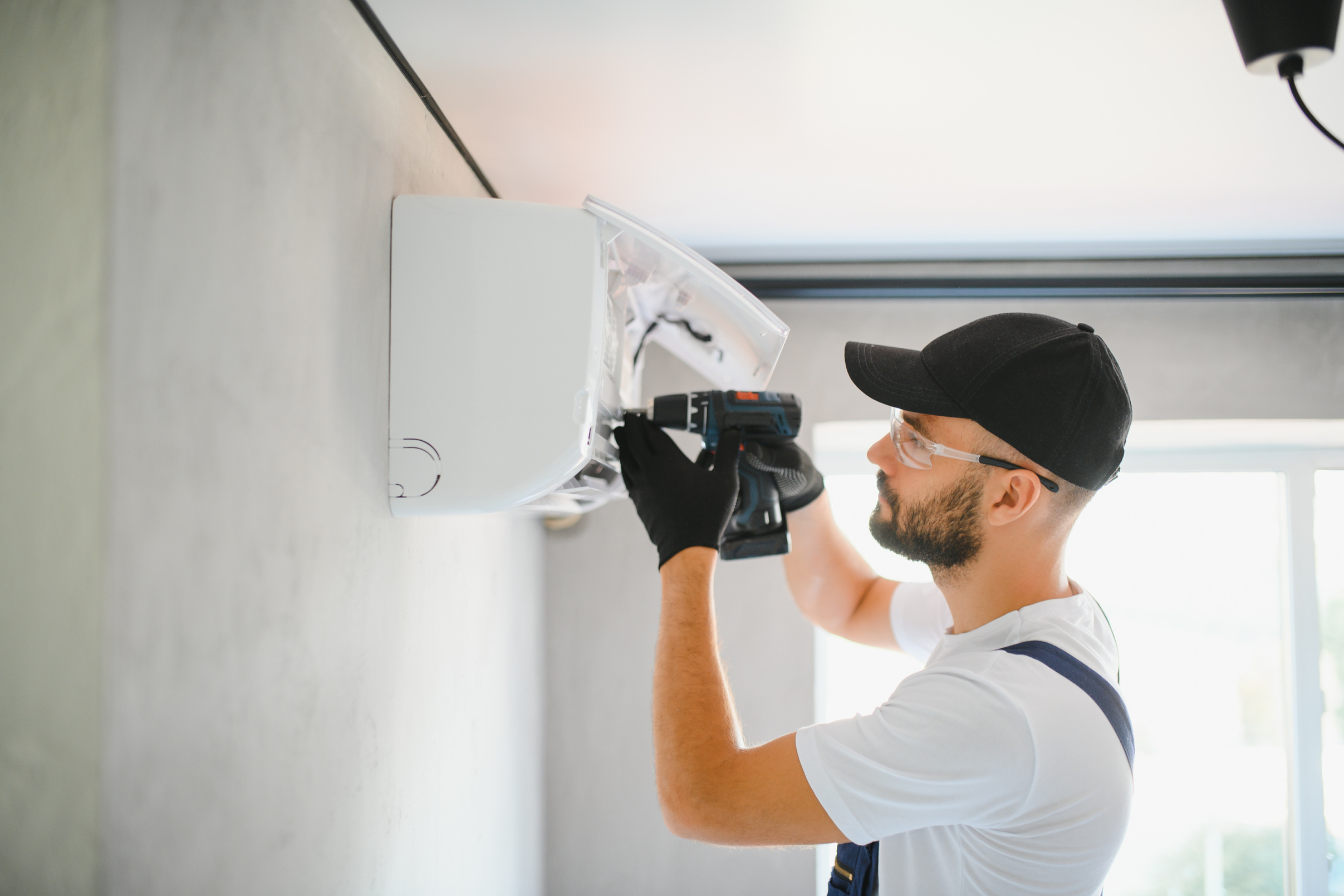
In Florida, air conditioners work hard all year because of long cooling seasons, high humidity, and rising energy costs. Regular air conditioner maintenance helps systems handle this demand more reliably while reducing avoidable performance issues.
Here’s why air conditioning maintenance is crucial:
Reduces unexpected breakdowns: Routine checks help catch worn parts, airflow issues, or moisture buildup before they turn into mid-summer failures.
Supports lower energy bills: A well-maintained system doesn’t have to work overtime, which can lower your monthly electricity usage.
Improves cooling consistency: Maintenance prevents hot spots and uneven temperatures from restricted airflow or dirty parts.
Helps manage indoor humidity: Proper system operation controls moisture, which is critical in Florida homes prone to damp air and mold.
Extends system lifespan: Addressing minor wear early can help delay costly replacements for systems that already run year-round.
Protects indoor air quality: Clean filters, coils, and ducts reduce the circulation of dust, allergens, and microbial particles inside the home.
Prepares the system for extreme heat: Preventative maintenance ensures your AC is ready before peak temperatures hit Palm Beach County and surrounding areas.
Signs Your AC Needs Maintenance
AC systems rarely fail without warning. Most often, they give off small signals when something is off. Paying attention to these signs allows you to fix problems early, when they are easier and less costly to manage.
Common indicators include:
Warm or uneven airflow: Some rooms feel noticeably warmer than others, often caused by airflow restrictions, dirty components, or duct issues.
AC runs longer than usual: If the system struggles to reach the set temperature, it may be working harder because of coil buildup or reduced performance.
Higher electricity bills: A sudden increase in energy costs without changes in usage often signals that the system is using more power to deliver the same level of cooling.
Musty or stale odors: Persistent smells when the AC runs often signal moisture buildup, mold growth, or dirty ducts, which are common in humid Florida homes.
Excess indoor humidity: If your home feels sticky even when the AC is running, the system may not remove moisture effectively.
Unusual noises during operation: Rattling, buzzing, or grinding sounds often point to loose parts or mechanical wear that should be checked before further damage occurs.
Recognizing how your system normally operates and noticing deviations helps you identify maintenance needs early.
Essential Air Conditioner Maintenance Tips
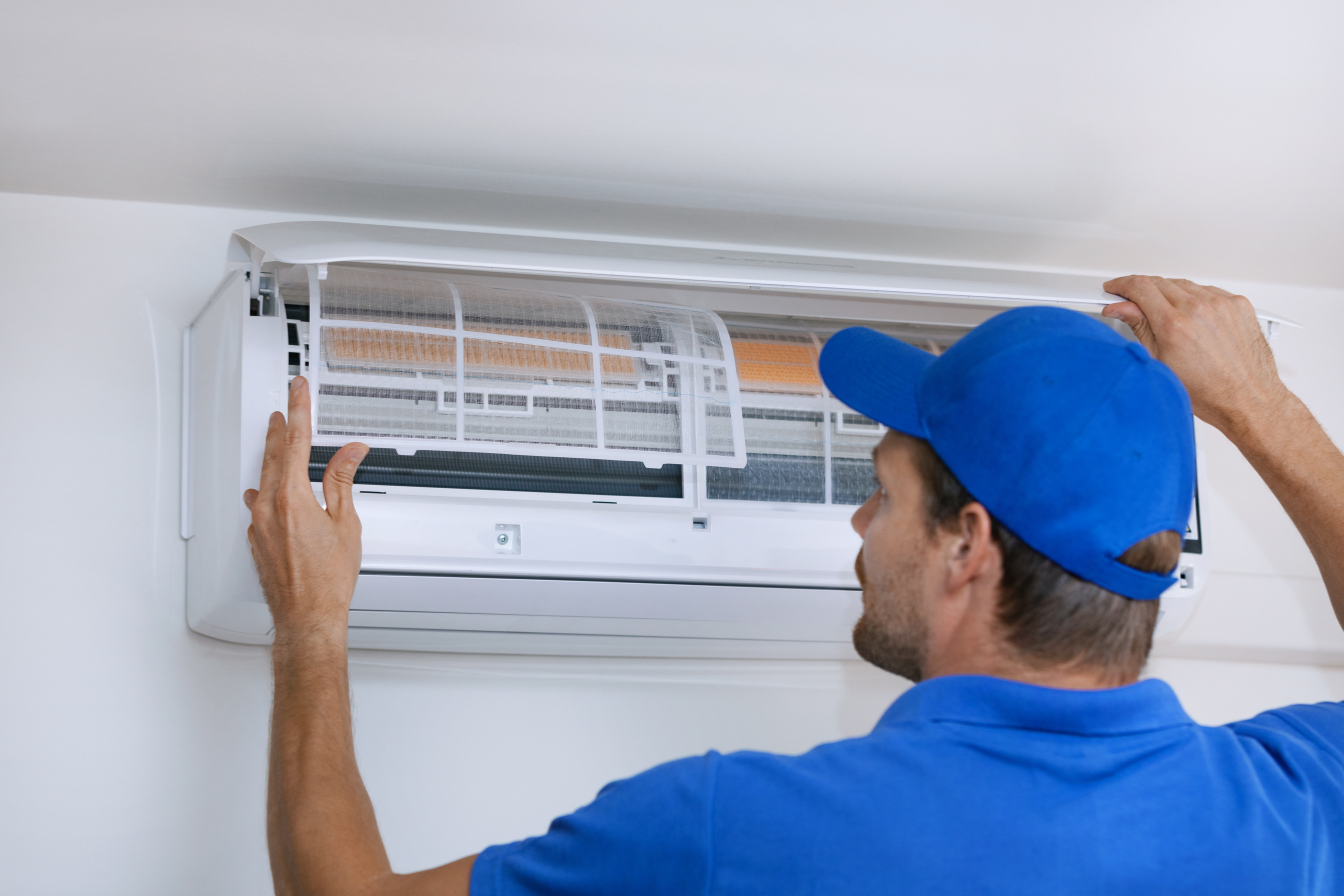
Taking care of your air conditioner doesn’t have to be complicated, but it does require attention to key components. The following tips help Florida homeowners keep systems running well, reduce unexpected breakdowns, and extend equipment life.
Change or Clean Air Filters Regularly
Air filters play a major role in airflow and indoor air quality. When filters become clogged, airflow drops, and the system works harder to cool the space.
Best practices include:
Checking filters every 30 to 60 days
Replacing disposable filters as recommended
Cleaning reusable filters thoroughly before reinstalling
Homes with pets or higher dust levels may need more frequent filter changes.
Keep Vents and Registers Clear
Blocked vents restrict airflow and reduce cooling effectiveness. Furniture, rugs, and curtains often cover vents without homeowners noticing.
Make sure:
Supply and return vents remain open
Airflow is not blocked by large objects
Registers are cleaned periodically
This keeps airflow balanced throughout the home.
Inspect and Clean Evaporator Coils Annually
Evaporator coils absorb heat from indoor air. When dust and moisture build up on these coils, cooling performance can drop without obvious warning signs.
Why this matters:
Dirty coils reduce heat absorption
Cooling cycles may run longer than necessary
Humidity control can become less effective
Annual inspection and cleaning help your system cool the air more evenly.
Clean Condenser Coils at Least Once Yearly
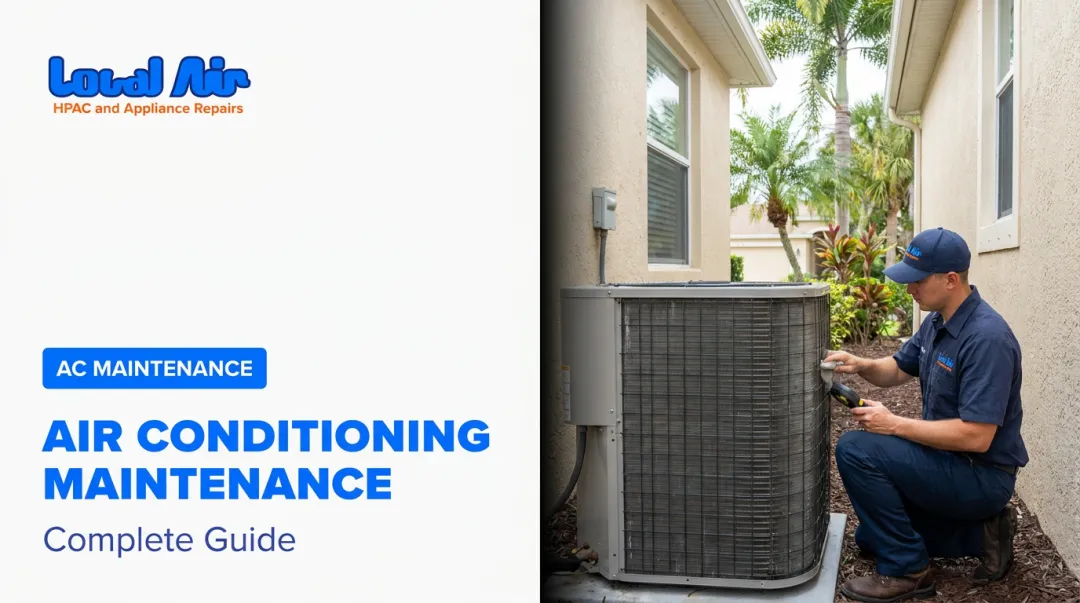
Condenser coils release heat outdoors. In South Florida, these coils are exposed to grass, salt air, dirt, and storm debris.
Regular cleaning helps:
Keep the heat release steady
Ease strain on the compressor
Help the system run smoothly during peak heat
This task is especially important for homes near coastal areas like Boca Raton and Manalapan.
Check and Clear the Condensate Drain Line Every Six Months
The condensate drain line removes moisture created during cooling. In humid climates, this line can clog more frequently.
Routine checks help prevent:
Water leaks around the indoor unit
Excess indoor humidity
Mold-friendly moisture buildup
Clearing the drain line twice a year supports both comfort and system safety.
Verify Refrigerant Levels and Test for Leaks
Refrigerant allows your air conditioner to transfer heat effectively. Low refrigerant levels often point to leaks rather than normal use.
Important considerations:
Low refrigerant can reduce cooling capacity
Systems may run longer to reach set temperatures
Leaks need professional attention
This step typically requires professional testing and proper handling.
Lubricate All Moving Parts
Motors, bearings, and other moving components rely on proper lubrication to operate smoothly. Without it, friction increases and parts wear faster.
Proper lubrication can:
Reduce mechanical strain
Lower the risk of premature part failure
Support quieter system operation
Professionals usually handle this task during maintenance visits.
Inspect and Tighten Electrical Connections
Electrical connections control how power flows through your air conditioning system. Loose or worn connections can cause inconsistent operation.
Inspection helps:
Reduce the risk of electrical faults
Support reliable system start-up
Prevent damage to critical components
Routine checks improve overall system stability during long run times.
Calibrate and Test Your Thermostat
Your thermostat determines how often and how long the system runs. Inaccurate readings can lead to unnecessary cooling cycles.
Simple checks include:
Confirming temperature accuracy
Replacing batteries when needed
Reviewing programmed settings
A properly calibrated thermostat helps your system cool more predictably.
Maintain the Outdoor Unit Area
The outdoor unit needs clear airflow to function correctly. Obstructions around the unit can trap heat and reduce performance.
Best practices include:
Keeping at least two feet of open space around the unit
Removing leaves, plants, and debris regularly
Checking after storms common in Palm Beach County
A clear outdoor unit helps heat transfer efficiently and keeps the system balanced.
Seasonal Maintenance Checklist
Florida’s cooling needs shift throughout the year, even though most homes run air conditioning year-round. Seasonal maintenance keeps systems ready for changing demands while reducing stress during peak usage.
Below is a seasonal checklist for homeowners and small businesses across West Palm Beach, Boca Raton, Delray Beach, and Palm Beach Gardens.
Spring: Pre‑Cooling Preparation
Spring is the ideal time to prepare your system before the real cooling demand begins. This helps the system start the hot season with fewer issues and longer service life.
Task | Recommended Action |
Replace or check air filters | Inspect filters and replace or clean them to help airflow before heavy use. |
Clear outdoor unit area | Remove leaves, grass, and debris around the condenser so air can flow freely. |
Inspect visible ductwork | Check for loose connections, gaps, or damage you can see without tools. |
Test thermostat settings | Verify the thermostat reaches set temperatures and responds normally. |
Schedule professional check | Have a trained technician inspect key components before peak season. |
These tasks help confirm that the system is prepared for extended operation during Florida’s hottest months.
Summer: Peak Usage Tips
Summer places the highest demand on air conditioning systems. During this period, the focus shifts to monitoring performance and preventing overload.
Task | Recommended Action |
Monitor airflow at vents | Feel for consistent airflow and address any weak spots quickly. |
Watch for increased energy use | Notice significant bill changes and check for filter or system issues. |
Maintain thermostat habits | Use consistent temperature settings rather than frequent large changes. |
Keep the outdoor unit clear | Regularly remove any new debris after storms or yard work. |
Observe unusual sounds or smells | Report new noises or odors to a technician before they signal bigger problems. |
Prompt attention to changes helps prevent minor issues from becoming larger problems during extreme heat.
Fall and Winter: System Care & Protection
Even though cooling demand decreases slightly in fall and winter, Florida systems still require attention. Reduced usage is an opportunity for maintenance and planning.
Task | Recommended Action |
Replace or clean filters | Refresh filters after summer to keep airflow clear as usage drops. |
Check insulation and seals | Examine insulation around ducts and doors for air leaks that affect efficiency. |
Clean vents and registers | Remove dust buildup to improve airflow when the system runs occasionally. |
Review past summer issues | Note any recurring problems and plan service during the off‑peak season. |
Schedule off‑season service | Book preventative maintenance when technicians are generally more available. |
Taking advantage of lighter usage periods supports long-term reliability.
By setting aside time each season to inspect and care for key components, you can reduce the likelihood of emergency service calls and unexpected breakdowns when you need cooling most.
How Local Air HVAC Supports Reliable AC Performance?
Local Air HVAC supports residential and light commercial customers across Palm Beach County with services designed for Florida’s climate.
Here’s how we can help you:
Comprehensive AC inspections: Technicians check key components during tune‑ups to find small issues before they become major problems.
Routine system tune‑ups: Regular checkups help the air conditioner maintain consistent performance and can discover wear that might otherwise be missed.
Coil and evaporator cleaning: Cleaning condenser and evaporator coils supports better heat exchange and can help your system run more steadily.
Drain line service: Clearing drain lines and removing clogs prevents water buildup that can reduce efficiency and cause indoor humidity issues.
Duct cleaning: Professional duct cleaning removes dust, allergens, and buildup that restrict airflow and affect indoor comfort.
Dryer vent cleaning: Removing lint and blockages from dryer vents reduces fire risk and helps lower indoor heat, indirectly reducing AC load.
UV light installation: UV lights installed in HVAC systems help manage microbial growth, improving indoor air quality and reducing odor concerns.
Residential and light commercial focus: Services are tailored for homes and small businesses across Palm Beach County, including West Palm Beach, Wellington, and Boca Raton.
Over 20 years of experience: Their long history in the community helps ensure technicians understand local climate challenges and cooling needs.
Certified and experienced technicians: EPA universal certification and trained staff offer reassurance that maintenance is conducted professionally.
Partnering with a trusted expert like Local Air HVAC means you get faster response times and tailored solutions that match your specific property and usage patterns.
Conclusion
Air conditioner maintenance plays a direct role in comfort, energy use, and long-term system health, especially in Florida’s demanding climate. Taking small, consistent steps like changing filters, clearing debris, checking thermostats, and paying attention to how your system runs helps you avoid big surprises and higher utility bills.
The most effective approach combines basic homeowner care with professional support when needed. Experts like Local Air HVAC support reliable cooling through preventative maintenance, indoor air quality services, and system care designed for Florida conditions.
If you want to protect your comfort and plan ahead, contact us today.
FAQs
How often should I change my air conditioner’s air filter?
Air filters should typically be replaced every 1–3 months, depending on usage, indoor air quality, and the type of filter. Regular replacement keeps airflow smooth, improves cooling efficiency, and prevents dust and allergens from circulating inside your home.
What should I check during a monthly AC maintenance routine?
Check and clean the air filter, inspect the thermostat settings, clear debris around the outdoor unit, and ensure vents are unobstructed. Also, listen for unusual noises and look for water leaks to catch minor issues before they escalate.
Is it safe to run my AC without regular maintenance?
Running an AC without regular maintenance isn’t safe long-term. It can reduce efficiency, increase energy bills, and cause system breakdowns. Dust, mold, and refrigerant issues may also affect indoor air quality and lead to costly repairs.
How can I improve my AC’s energy efficiency with simple tips?
Set the thermostat a few degrees higher, use ceiling fans to circulate air, keep vents unobstructed, seal leaks in ductwork, and clean filters regularly. These small steps reduce strain on your AC and lower energy consumption without sacrificing comfort.
Should I cover my outdoor AC unit in winter?
It’s generally unnecessary to cover a modern outdoor AC unit. Covers can trap moisture, causing rust or damage. Instead, keep the area clear of debris and ensure proper drainage. Some experts recommend a light cover only for prolonged, harsh winter conditions.