Do you periodically change your air filter and assume it’s actually doing enough to protect your home’s air?
Many homeowners in Florida think that any filter is better than none, but the truth is, the wrong filter can quietly affect comfort, air quality, and HVAC performance.
According to the U.S. Environmental Protection Agency (EPA), indoor air can be 2 to 5 times more polluted than outdoor air, especially in tightly sealed homes common across the U.S. and Florida. Add pets, humidity, pollen, and everyday dust, and your HVAC filter becomes a critical line of defense.
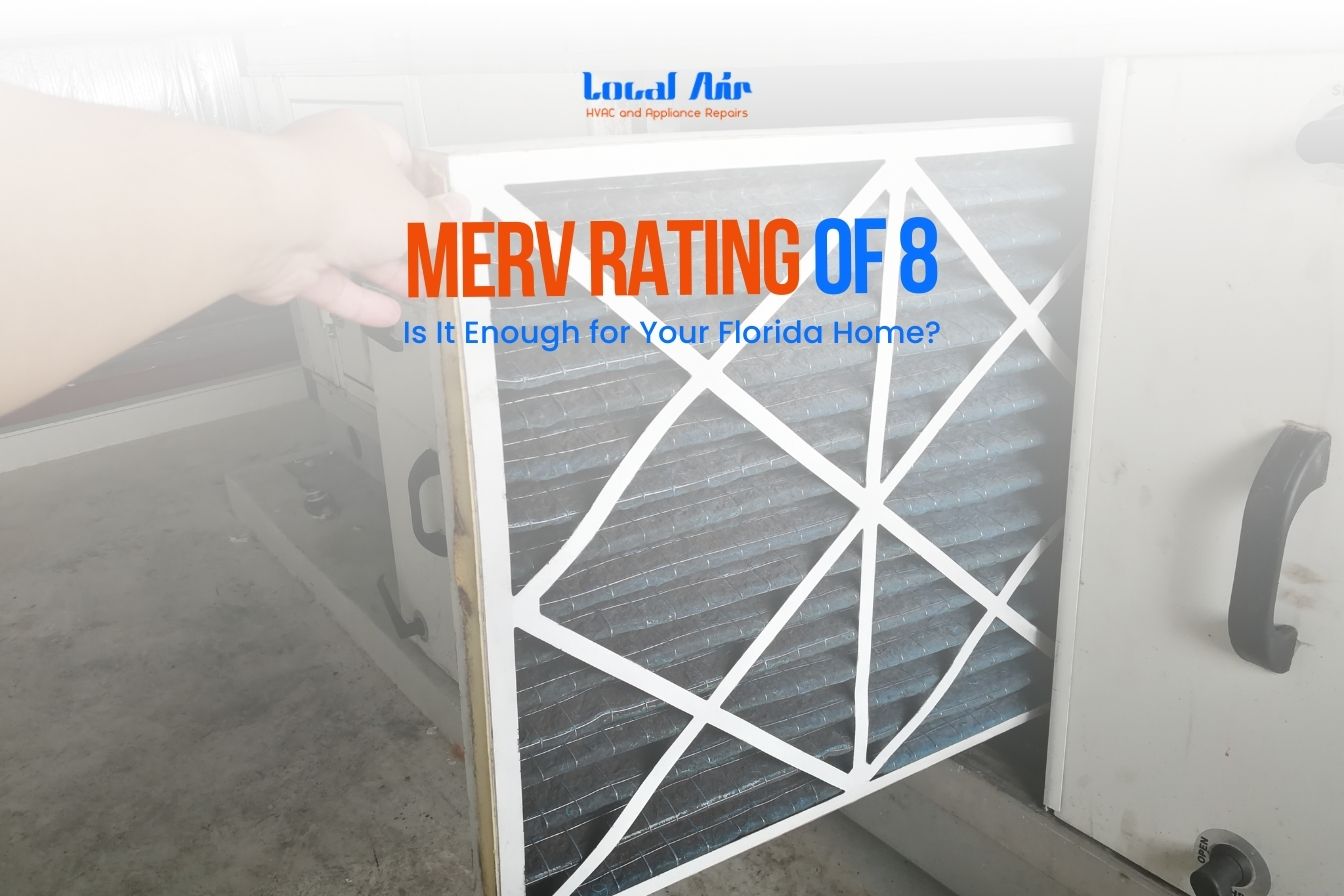
That’s why understanding the MERV rating of 8 matters. It’s one of the most commonly used filters in residential systems, but is it enough for your specific needs?
In this guide, you’ll learn what a MERV rating of 8 filters does, when it works well, when it doesn’t, and how to choose the right option for your home.
Key Takeaways
MERV 8 captures ≥70% of large particles (3-10 µm) while maintaining strong airflow, making it a safe default for most residential HVAC systems.
It removes ≥20% of smaller particles (1-3 µm) like fine dust; enough for everyday air quality without stressing blowers or coils.
Higher ratings (MERV 9-16) often require replacement every 30–60 days, increasing maintenance effort and long-term filter costs. For MERV 8; it’s 60-90 days.
Improper upgrades to MERV 11 or 13 can restrict airflow by design, potentially raising energy use and accelerating HVAC wear if the system isn’t rated for it.
Buying filters in bulk during November-January can cut annual costs by 20-30%, especially for homeowners replacing filters multiple times per year.
What Does “MERV Rating of 8” Mean?
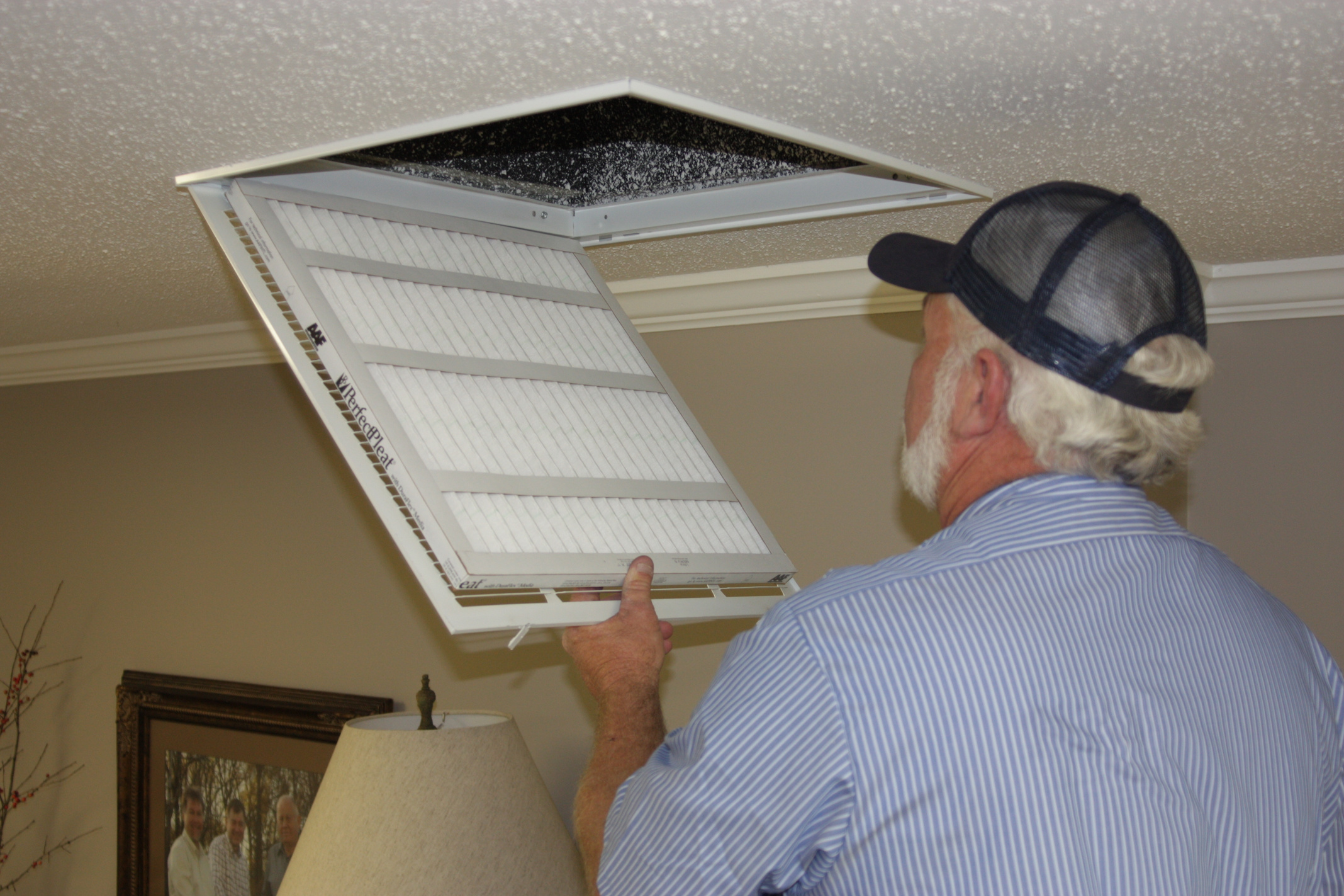
The MERV scale measures how effectively an air filter captures airborne particles. Ratings range from 1 to 16, with higher numbers designed to trap smaller and more difficult particles.
A MERV rating of 8 sits in the middle of the residential range. It captures common household pollutants such as dust and textile fibers, without restricting airflow, which makes it a default choice for many furnaces and central HVAC systems.
From a performance standpoint, a MERV 8 filter is tested for particle capture efficiency by size:
1.0–3.0 microns (µm): captures ≥ 20% of particles
3.0–10.0 microns (µm): captures ≥ 70% of particles
These values help homeowners compare filter performance across HVAC systems, especially when balancing air cleanliness and airflow. The MERV rating itself comes from a standardized test method developed by the American Society of Heating, Refrigerating, and Air Conditioning Engineers (ASHRAE). As a rule, the higher the MERV rating, the better the filter captures smaller particle sizes.
Because filtration performance only matters when it matches system capability, homeowners should always check the official MERV rating printed on the filter packaging or the manufacturer’s specifications before installation.
This balance between tested efficiency and real-world compatibility directly influences how well a MERV 8 filter performs in daily use.
How Effective Is a MERV 8 Filter?
A MERV rating of 8 filters is effective for general air cleanliness and system protection. It removes medium-sized particles that commonly circulate in homes, especially those with standard foot traffic and moderate outdoor exposure.
What it does well:
Improves visible dust control
Helps protect internal HVAC components
Supports cleaner airflow through the system
What it does not capture:
Smoke particles
Very fine allergens
Bacteria and viruses
The filtration works best when your goal is comfort and system efficiency rather than medical-grade air purification. That effectiveness explains why many homeowners stick with MERV 8, but performance alone isn’t the whole story.
Benefits of Using a MERV 8 Filter in Your Home
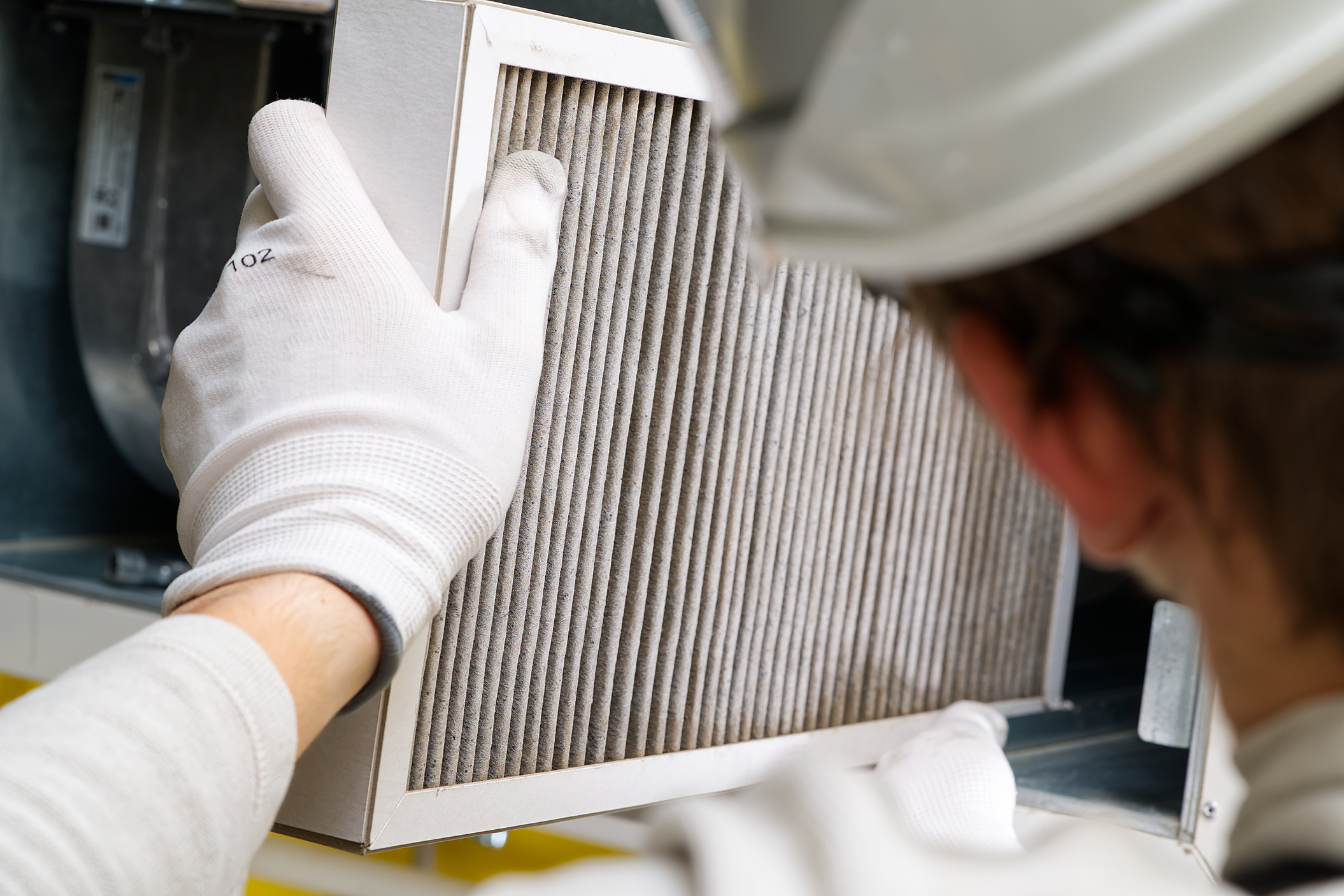
For many homes, the MERV rating of 8 offers a practical balance between cleaner air and long-term HVAC system health.
Key benefits include:
Strong airflow that protects system components: MERV 8 filters allow steady airflow, which reduces stress on blowers and motors and helps maintain the designed operating pressure inside the HVAC system.
Lower risk of frozen evaporator coils: By avoiding airflow restriction, MERV 8 filters help prevent coil icing caused by reduced air movement across the cooling surface.
Affordable pricing with easy replacement access: These filters are widely available and cost-effective, making it easier for homeowners to replace them on schedule without delaying maintenance.
Broad compatibility with residential HVAC systems: Most residential systems are designed to handle MERV 8 filtration without modifications, preventing performance loss or warranty concerns.
Consistent indoor comfort across living spaces: Proper airflow supports even air distribution, reducing hot and cold spots that often occur when filters restrict circulation.
Homeowners focused on energy efficiency and steady cooling often choose MERV 8 filters because they support system performance without forcing equipment to work harder. Still, household conditions can change filtration needs, which makes it important to understand when MERV 8 may no longer be enough.
When MERV 8 May Not Be Enough?
While a MERV rating of 8 works well for many homes, specific conditions require higher filtration to manage finer airborne particles.
You may need more than MERV 8 if:
Household members have allergies or Asthma: MERV 8 filters capture larger allergens but allow smaller irritants, like fine pollen fragments, to circulate and trigger respiratory symptoms.
You have multiple pets shedding dander: Pet dander particles are often smaller than what MERV 8 efficiently captures, allowing them to recirculate and settle on surfaces.
The home is exposed to smoke or urban pollution: MERV 8 filters are not designed to trap fine smoke particles or combustion byproducts, which can pass through and affect indoor air quality.
High humidity contributes to frequent mold concerns: While MERV 8 captures mold spores, it does not effectively filter smaller microbial fragments that can still circulate in damp environments.
The home is tightly sealed with limited fresh-air exchange: In energy-efficient homes, airborne particles recirculate longer, and MERV 8 may not provide sufficient fine-particle removal without supplemental filtration.
In these situations, higher ratings like MERV 11 or MERV 13 offer improved particle capture but also increase airflow resistance. That balance makes system design, professional evaluation, and timely filter replacement even more critical.
How Often to Replace Your MERV 8 Filter?
Even the right filter won’t help if it stays in place too long. A MERV rating of 8 filters typically needs replacement every 60 to 90 days and typically cost $10-$20.
Replacement may need to happen sooner if:
Pets live in the home.
Construction or renovations are nearby.
The system runs year-round, as it does in Florida.
A clogged filter restricts airflow, reduces cooling efficiency, and increases wear on HVAC components. Keeping a consistent replacement schedule ensures the filter delivers the benefits it’s designed for.
MERV 8 vs Higher Ratings: What’s the Difference?
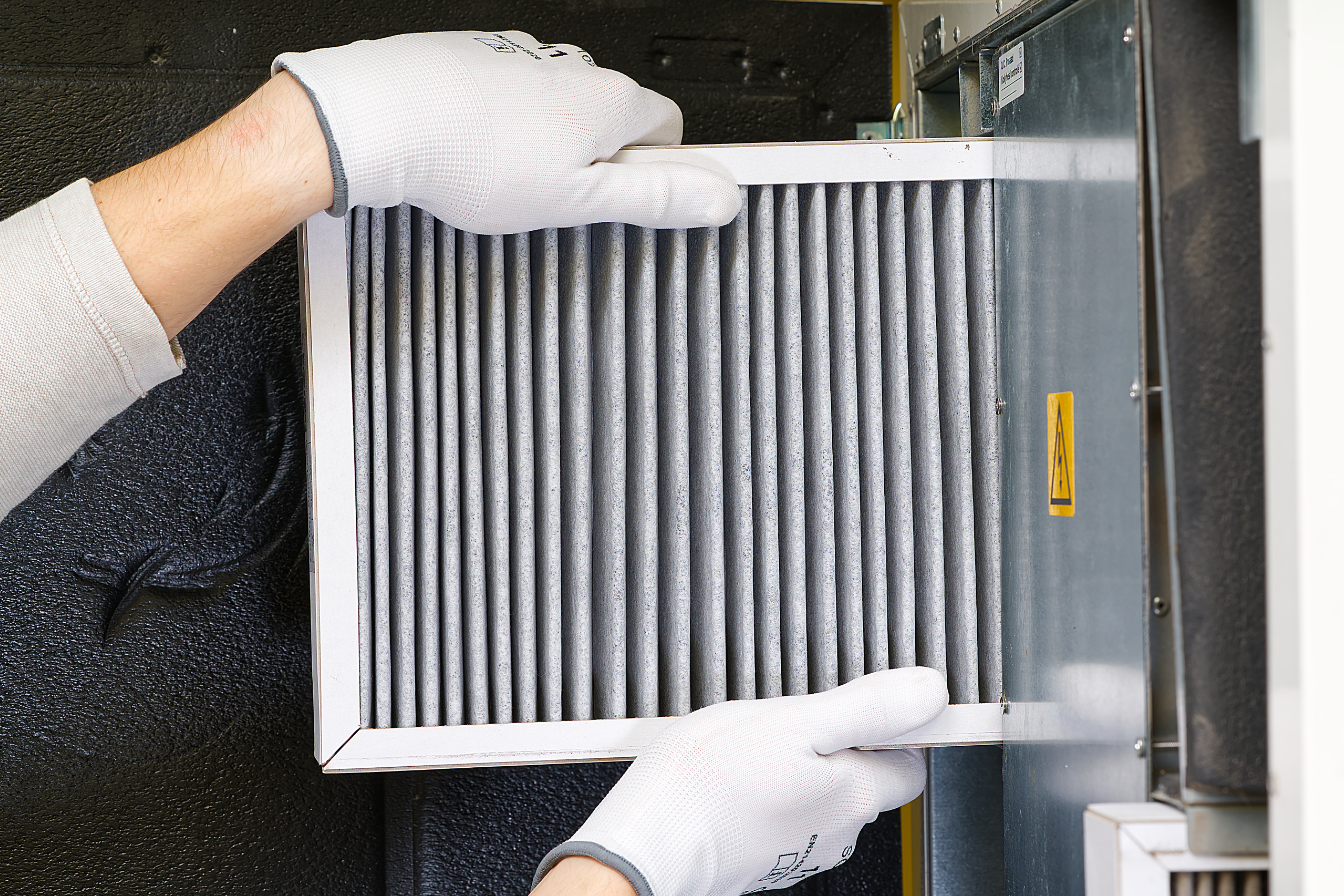
The difference between MERV 8 and higher ratings comes down to particle size capture, airflow impact, and maintenance needs.
MERV 8: Captures dust, pollen, and lint while maintaining strong airflow. Easy on most residential HVAC systems and typically replaced every 60-90 days.
MERV 11: Traps smaller allergens like pet dander and finer dust particles. Airflow resistance increases slightly, and filters often need replacement every 30-60 days.
MERV 13: Captures very fine particles, including smoke and some bacteria. Airflow restriction is significantly higher and can strain systems not designed for it. Replacement is usually required every 30-45 days.
Higher-rated filters (MERV 9-16) clog faster because they trap more particles, which means more frequent replacements and higher ongoing costs.
Pro tip: Buy HVAC filters in bulk during off-season sales, typically November through January. Homeowners can save 20-30% on annual filter costs compared to peak summer pricing.
For many homes, upgrading without professional guidance can cause more harm than good. Choosing the right rating depends on both indoor air quality goals and what your HVAC system can actually handle.
How Local Air HVAC Helps Homeowners Choose the Right Filter?
Local Air HVAC works with homeowners and light commercial properties across Palm Beach County, Florida, to balance cleaner air, consistent comfort, and long-term system health, not guesswork upgrades.
If you’re unsure whether a MERV rating of 8 filter is right for your home, Local Air HVAC starts with a hands-on system evaluation. Our technicians measure airflow at the return and supply vents, check blower motor capacity, and inspect existing duct conditions. It ensures any filter recommendation won’t restrict airflow or overwork your system.
Here’s how their process improves results:
Air conditioning inspection and maintenance: Technicians inspect coils, blower assemblies, and filter housings to ensure your system can support the recommended MERV rating without efficiency loss or pressure buildup.
Indoor air quality assessments: By identifying dust sources, humidity levels, and allergen triggers inside the home, we match filtration levels to real conditions, not generic standards.
Duct cleaning for improved airflow: Removing built-up debris from ductwork reduces static pressure, allowing your system to handle filtration more effectively and evenly across rooms.
UV light installation to control microbial growth: UV systems are installed near coils and drain pans to reduce mold and bacteria, improving air quality without relying solely on higher MERV filters.
Preventative maintenance planning: Homeowners receive clear filter replacement schedules, airflow checks, and seasonal service planning to keep performance consistent year-round.
By pairing the right filter rating with professional airflow management and system care, Local Air HVAC helps homeowners improve indoor air quality while avoiding unnecessary system strain, frequent breakdowns, or rising energy costs.
Conclusion
Choosing the right air filter isn’t about picking the highest rating; it’s about finding what works for your home and HVAC system. A MERV rating of 8 offers reliable filtration, strong airflow, and broad compatibility for many U.S. and Florida households.
It controls everyday pollutants, protects HVAC components, and supports efficient cooling when replaced on schedule. However, homes with higher air quality needs may require additional solutions beyond filter upgrades alone.
Is your current filter helping your system or quietly holding it back? Talk to the experts who understand Florida homes. Book your service with Local Air HVAC today and get personalized guidance for cleaner air and reliable comfort year-round.
Frequently Asked Questions
1. Is a MERV 8 filter good enough for home use?
Yes, a MERV 8 filter is sufficient for most homes. It captures common particles like dust and lint while maintaining strong airflow. This balance helps protect HVAC components and supports energy efficiency without overloading residential systems.
2. What does a MERV 8 filter remove from the air?
A MERV 8 filter removes particles between 3–10 microns, including dust mites, pollen, mold spores, pet dander, and textile fibers. It does not capture very fine particles like smoke or bacteria, which require higher MERV ratings or additional air purification methods.
3. Can a MERV 8 filter help with allergies?
A MERV 8 filter can reduce mild allergy triggers by trapping pollen, dust, and pet dander. However, for households with asthma or severe allergies, higher-rated filters such as MERV 11 or 13 may offer better symptom control, if the HVAC system can support them safely.
4. How often should a MERV 8 filter be replaced?
Most MERV 8 filters should be replaced every 60 to 90 days. Homes with pets, high dust levels, or frequent system use may need more frequent changes. Regular replacement prevents airflow restriction, improves indoor air quality, and helps maintain HVAC efficiency.
5. Is MERV 8 better than higher-rated filters for HVAC systems?
MERV rating of 8 is often better for system longevity because it allows higher airflow with less resistance. Higher-rated filters capture smaller particles but can strain residential HVAC systems if not designed for them. The best choice depends on airflow capacity and indoor air quality needs.