Most people only think about their HVAC system when comfort starts struggling. Rooms feel warmer than usual. Airflow weakens. Energy bills rise for no clear reason. By the time someone finally schedules service, the system has often been under strain for months.
HVAC systems quietly run almost year-round, managing heating, cooling, and air circulation across homes, offices, retail spaces, and buildings. Because they work so consistently, it’s easy to forget they need routine care to perform properly.
And the impact is real. According to the U.S. Department of Energy, buildings that optimize operations and maintenance, including proper HVAC care, can reduce overall energy use by 5% to 25%, meaning systems that are well-maintained use less energy and cost less to operate.
In this blog, you’ll learn how often HVAC systems should be serviced, what factors influence service frequency, and how regular maintenance improves performance, reduces costs, and prevents unexpected downtime.
Key Takeaways
HVAC systems perform best and last longer when serviced on a consistent schedule instead of only when problems appear.
Most homes benefit from twice-yearly maintenance, while high-use, older, or coastal systems often need more frequent care.
Regular servicing improves efficiency, keeps energy costs down, and prevents small issues from turning into major repairs.
Florida’s heat, humidity, pets, and salt air make routine HVAC maintenance even more important than in milder climates.
Simple habits like filter changes, sealing leaks, and keeping outdoor units clean significantly boost long-term performance.
What is HVAC Maintenance?
HVAC maintenance refers to the regular servicing of heating, ventilation, and air conditioning systems to ensure they operate at their best. This process involves inspecting, cleaning, and testing key components of your HVAC system, such as filters, coils, refrigerants, and motors. The goal is to keep the system running efficiently, avoiding unnecessary breakdowns, and improving overall performance.
In Florida, where air conditioners are essential for maintaining comfort throughout the year, HVAC maintenance becomes especially important. Regular upkeep helps ensure your system is always ready to handle the demands of the heat, preventing inconvenient failures and costly repairs down the line.
What Happens During an HVAC Service?
During a professional HVAC service, a technician thoroughly inspects and cleans key components of your system. The goal is to ensure everything is working efficiently and that no parts are showing signs of wear or malfunction. Here's an overview of the typical steps involved during an HVAC service:
Inspection of Key Components: The technician starts by inspecting the system, including filters, coils, refrigerant levels, electrical components, and the blower fan. They’ll look for signs of wear or potential issues, such as dust buildup, leaks, or malfunctioning parts.
Cleaning the System: A clean system runs more efficiently, so the technician will clean filters, coils, and the evaporator and condenser units. Cleaning debris from around the system also ensures proper airflow and prevents damage to vital components.
Checking and Adjusting Refrigerant Levels: The technician will check refrigerant levels to ensure they are adequate for optimal cooling. Low refrigerant can cause your system to underperform and consume more energy.
Lubricating Moving Parts: Parts like the fan motor and blower require proper lubrication to avoid friction and prevent premature wear. The technician will lubricate moving components to ensure they function properly.
Testing the System: After servicing, the technician will test the system by turning it on to check airflow, temperature regulation, and overall system performance. They’ll make adjustments as necessary to ensure your HVAC is operating at peak efficiency.
Providing Recommendations: At the end of the service, the technician will discuss any findings with you, recommend necessary repairs or replacements, and offer guidance on how to optimize your system’s performance going forward.
How Often Should You Schedule HVAC Maintenance?
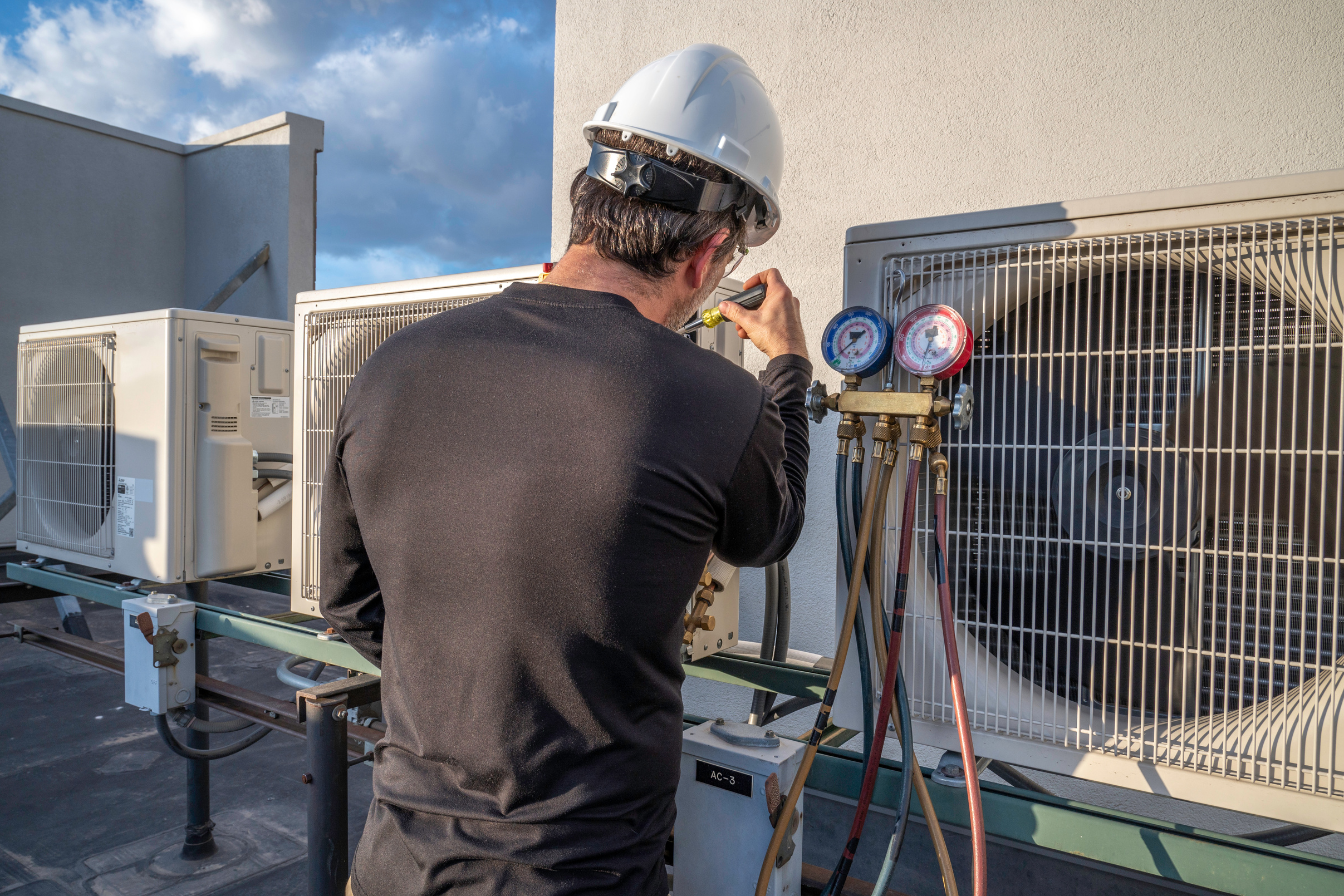
The frequency of HVAC maintenance depends on various factors, including system usage, age, and the climate in which it operates.
However, for optimal performance and efficiency, scheduling regular maintenance is essential to avoid unexpected breakdowns, improve energy efficiency, and extend the lifespan of your system.
Here’s a guide to help you understand how often HVAC maintenance should be scheduled:
1. Twice a Year for General Homeowners
For most homes, it’s recommended to schedule HVAC maintenance twice a year: once before the cooling season (typically in the spring) and once before the heating season (typically in the fall). This ensures that your system is prepared to handle both extreme temperature demands effectively.
Spring Maintenance (Pre-Cooling Season):
Focuses on getting your air conditioner ready for the hot summer months.
Cleaning coils, checking refrigerant levels, and replacing filters ensure your cooling system is ready to take on the high heat.
Fall Maintenance (Pre-Heating Season):
Checks your heating system to ensure that it’s working properly before the temperature drops.
Includes furnace checks, filter replacement, and lubrication of moving parts.
2. Additional Checks for High-Use Systems
If you own a small business or property with high HVAC usage, more frequent maintenance may be required. Systems that run longer hours, or handle larger spaces, are exposed to more wear and tear.
Quarterly or Seasonal Checks:
For businesses with large HVAC systems or high foot traffic (like retail stores or restaurants), consider having maintenance done quarterly or at the change of each season.
Higher demands from HVAC systems can lead to quicker wear and tear, so keeping up with more frequent inspections and servicing is a good idea to prevent major breakdowns.
3. Consider the Age of Your System
Older HVAC systems may need more frequent maintenance due to wear or inefficient operation. If your system is over 10 years old, it’s essential to schedule regular service appointments to catch small issues before they turn into larger, costly repairs.
Older Units (10+ Years):
These systems should ideally be serviced every 4–6 months for optimal efficiency.
Parts may be more prone to failure, and early detection can save you money in the long run.
4. Special Conditions That Require More Frequent Maintenance
In Florida’s climate, factors like humidity, coastal salt air, and high pollen counts can put extra strain on HVAC systems. If your home or business is near the coast, or if you have pets, more frequent servicing may be necessary.
Coastal or Humid Environments:
Increased salt in the air or moisture can corrode parts and increase mold growth, meaning systems may require more frequent inspections.
Homes with Pets:
Pets shed hair and dander, which can quickly clog filters and coils. For homes with pets, scheduling quarterly maintenance can help ensure optimal airflow and system performance.
5. When You Notice Performance Issues
Sometimes, it’s the signs of inefficiency or malfunction that will tell you it’s time for a service. If your HVAC system is showing signs of wear, it’s better to schedule a service sooner rather than later.
Signs to Watch Out For:
Increased energy bills without a change in usage.
Inconsistent temperatures across rooms.
Strange sounds or odors coming from the system.
Short-cycling (when the system turns on and off rapidly).
If you notice any of these issues, schedule maintenance immediately. For optimal performance, it’s best to address these problems before they lead to a full system breakdown.
Why Regular HVAC Maintenance is Essential?
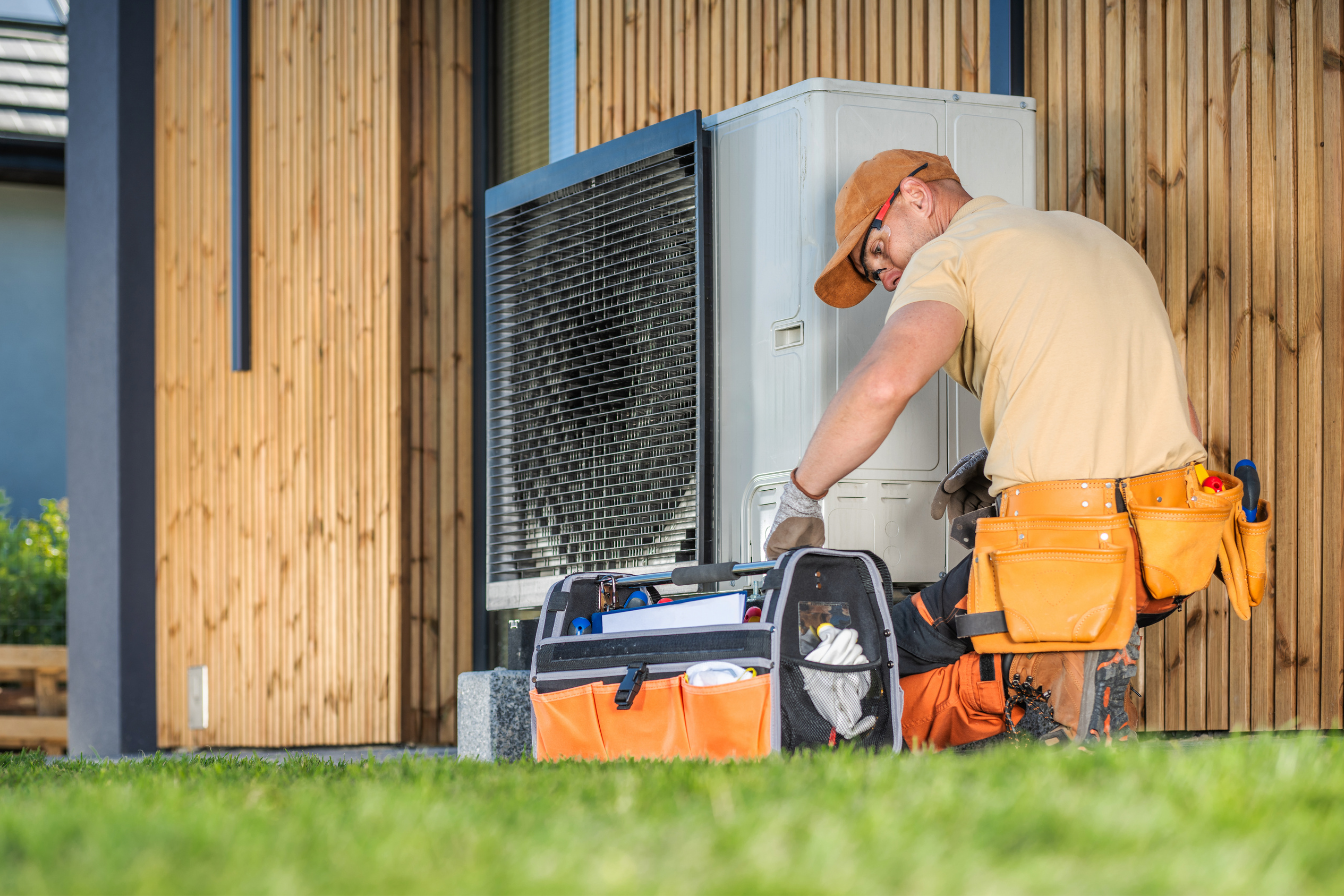
When deciding how often to schedule maintenance for your HVAC system, it's natural to weigh the costs against the benefits. By considering the long-term advantages, such as fewer repairs and lower energy bills, it becomes clear that scheduling regular HVAC maintenance more than once a year is a wise investment.
Here are some of the major benefits of regular HVAC maintenance:
1. Improved System Efficiency
Routine maintenance ensures your HVAC system operates at peak performance. When components like filters, coils, and fans are cleaned and properly calibrated, your system doesn't have to work as hard to cool or heat your space, saving energy.
Key benefits:
Reduced energy consumption.
More consistent cooling and heating.
Better overall system efficiency.
2. Lower Energy Bills
A system that isn’t maintained properly uses more energy to provide the same level of comfort. Dirty filters, low refrigerant, and clogged ducts make the system run longer and harder, which directly increases energy costs.
Key benefits:
Energy savings by improving system performance.
Reduced utility bills due to higher efficiency.
Optimized energy usage for both residential and commercial spaces.
3. Fewer Expensive Repairs
Preventative maintenance allows HVAC technicians to spot issues early before they lead to costly repairs or full system failures. Addressing small problems as they arise can save you from major expenses down the road.
Key benefits:
Reduced need for expensive repairs.
Longer lifespan of system components.
Fewer emergency service calls.
4. Longer System Lifespan
Just like any machinery, your HVAC system requires care to extend its service life. Regular inspections and maintenance help prevent early wear and tear on key components like the compressor and fan motor.
Key benefits:
Extended system lifespan with proper care.
Fewer replacements needed, saving you money.
Less stress on the overall HVAC unit.
5. Better Indoor Air Quality (IAQ)
Your HVAC system plays a big role in your home or business’s indoor air quality. Cleaning ducts, filters, and coils helps remove dust, allergens, and contaminants, improving the overall health of the air you breathe.
Key benefits:
Improved air quality by reducing allergens and dust.
Healthier living and working environments.
Reduced risk of respiratory issues, especially for allergy sufferers.
6. Consistent Comfort
An air conditioner that is not properly maintained might struggle to maintain your desired temperature, creating hot or cold spots. Regular servicing ensures your system operates efficiently, keeping your space consistently comfortable.
Key benefits:
Stable temperature control throughout your space.
Fewer fluctuations in indoor climate.
A more comfortable living or working environment year-round.
HVAC Maintenance Tips for Long-Term Efficiency
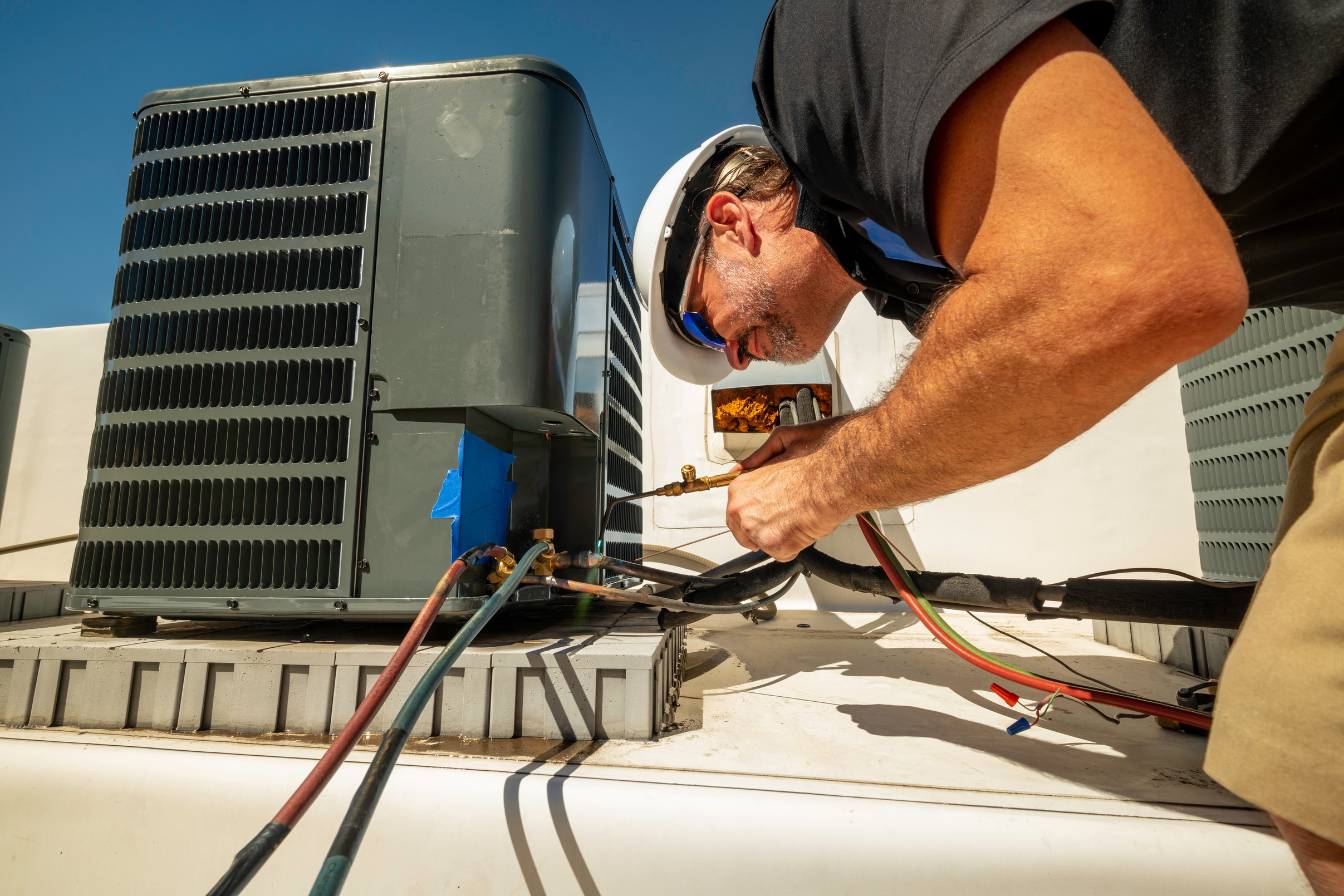
Keeping your HVAC system in peak condition goes beyond just scheduling regular service. Here are a few extra tips to ensure your system continues running efficiently throughout the year:
Change Air Filters Regularly: While it’s a part of HVAC maintenance, changing air filters more often can prevent airflow blockages, improve air quality, and reduce strain on your system. During peak seasons, check filters every month, especially if you have pets or high dust levels.
Ensure Proper Insulation: Insulating your home or office properly helps maintain the desired temperature and eases the load on your HVAC system. Insulation can prevent your air conditioner from overworking, especially during the hot Florida months.
Check for Air Leaks: Leaks in windows, doors, or ductwork allow conditioned air to escape, causing your HVAC system to work harder. Sealing these leaks can significantly reduce energy usage, keeping your system efficient and saving you money.
Maintain a Clean Outdoor Unit: Your outdoor condenser unit works tirelessly, so give it the space it needs to operate efficiently. Trim plants, remove debris, and clean the area around the unit. A clean condenser allows the system to expel heat properly, improving efficiency.
Monitor System Settings: Regularly check your thermostat settings to ensure your system is cooling or heating only when needed. Installing a programmable or smart thermostat can automatically adjust temperature settings based on your routine, saving energy when you're not home.
Use Ceiling Fans for Better Air Distribution: Ceiling fans help distribute air more evenly, making your HVAC system’s job easier. By circulating cool or warm air throughout the space, fans reduce the need for your HVAC system to run constantly.
Schedule Preventive Maintenance in the Off-Season: Scheduling HVAC maintenance during the spring or fall, before the peak summer or winter seasons, allows technicians to address any issues before they become critical. It also ensures you’re not waiting in line for service during high-demand months.
Avoid Overworking Your HVAC: While it may be tempting to set your thermostat to extreme temperatures for quick results, doing so can overwork the system. Instead, set a moderate temperature and let the system operate gradually. This will extend its life and avoid unnecessary energy consumption.
By integrating these simple tips into your HVAC care routine, you’ll enhance your system’s longevity, improve efficiency, and enjoy consistent comfort all year round.
How Local Air HVAC Can Support Your HVAC System’s Maintenance and Efficiency
At Local Air HVAC, we understand that keeping your HVAC system running smoothly is essential, especially in Florida’s hot and humid climate. Our expert technicians are ready to ensure that your air conditioner stays in top condition, improving efficiency and extending its lifespan.
Local Air HVAC proudly serves homes and businesses across West Palm Beach, Wellington, Royal Palm Beach, Lake Worth Beach, Delray Beach, Manalapan, Palm Beach Gardens, and Boca Raton, providing expert HVAC services to keep your space comfortable year-round. Here's how we can help:
Comprehensive HVAC Maintenance: We perform thorough inspections, cleanings, and tune-ups to ensure your system operates at peak performance.
Energy Efficiency Solutions: We identify areas where your system could be optimized, helping you save on energy bills and reduce overall wear.
Proactive Service Plans: Our maintenance plans include regular check-ups and priority service for any required repairs, giving you peace of mind year-round.
Expert Technicians: Our certified professionals have the experience and knowledge to handle all your HVAC system needs, from minor fixes to major repairs.
Local Expertise: We are a trusted service provider in Palm Beach County and understand the unique HVAC needs of homes and businesses in Florida’s climate.
Customer-Centered Approach: We focus on clear communication, giving you the best solutions tailored to your needs and priorities.
Contact Local Air HVAC today to schedule an inspection, ask about our maintenance plans, or get expert advice on improving your HVAC system’s performance! Stay cool and efficient all year long with our trusted services.
Conclusion
Maintaining your HVAC system is about keeping your home or business comfortable and running smoothly without unexpected expenses.
If you’re unsure when your system was last serviced or need guidance on setting up a regular maintenance plan, contact Local Air HVAC today. Our expert technicians are here to help keep your system in optimal condition, so you can enjoy a cool, comfortable space all year long.
Don’t wait for your HVAC to break down, take charge of your system’s health today!
FAQs
1. Is HVAC maintenance still useful if my system seems to be working fine?
Yes. Systems often lose efficiency quietly, and routine service prevents hidden wear that eventually leads to breakdowns.
2. Can regular HVAC servicing improve cooling speed in extreme heat?
A well-maintained system transfers heat more efficiently, helping your home cool faster and stay at set temperatures longer.
3. Are maintenance plans cheaper than paying for individual service visits?
In most cases, yes. Plans usually cost less annually and help avoid expensive emergency repairs caused by neglect.
4. Does HVAC maintenance help protect sensitive electronics and appliances?
Stable temperature and humidity control reduce strain on electronics, helping prevent moisture-related damage.
5. How soon after maintenance should I notice performance improvement?
Many homeowners feel stronger airflow, more even cooling, and quieter operation immediately after servicing.