Most air conditioners do not fail suddenly. They slow down first. Cooling feels weaker. Energy bills creep up. Strange noises start showing up when the unit kicks on. And before you know it, a simple maintenance issue turns into an expensive repair.
What many homeowners don’t realize is how much of this is preventable. In fact, research shows that regular AC maintenance can extend the lifespan of an air conditioner by up to 40%, yet fewer than half of homeowners schedule professional checkups regularly. That gap is exactly why so many systems break down years earlier than they should.
In this blog, you’ll walk through a complete air conditioner maintenance checklist covering routine homeowner tasks, professional servicing essentials, and practical tips to keep your AC running efficiently all year long.
Key Takeaways
Most AC breakdowns are caused by small maintenance issues that worsen over time, not sudden system failure.
Regular maintenance improves cooling efficiency, lowers energy bills, and helps equipment last significantly longer.
Warning signs like weak airflow, strange noises, rising costs, and ice buildup signal problems that should be addressed early.
A consistent maintenance checklist keeps every part of the cooling cycle working smoothly and prevents costly repairs.
Professional annual servicing catches hidden issues that homeowner upkeep alone can miss.
What is Air Conditioning Maintenance?
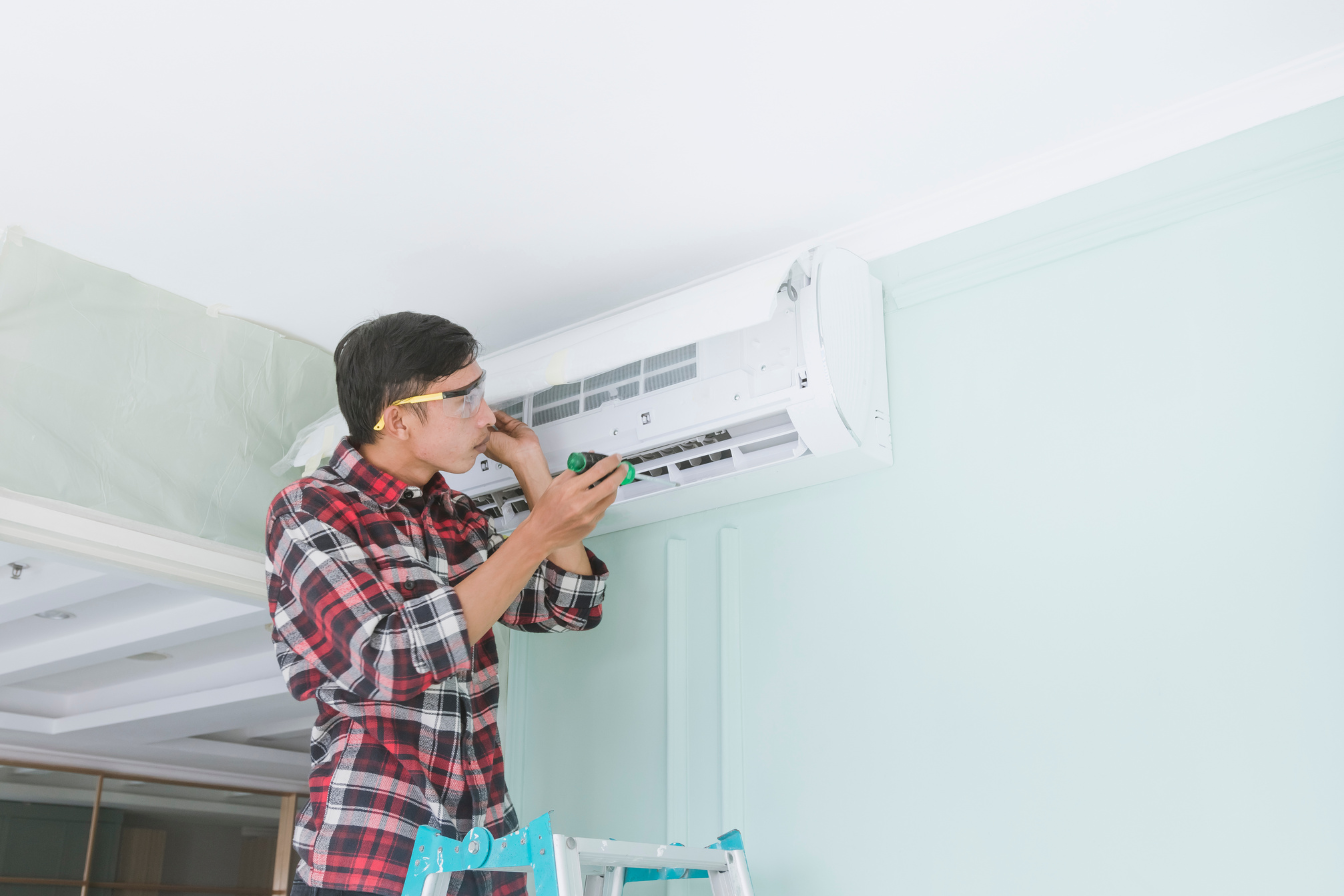
Air conditioning maintenance is a set of tasks designed to ensure that your AC system operates efficiently, reliably, and for as long as possible. Regular maintenance helps prevent system breakdowns, reduces energy consumption, and extends the lifespan of your unit.
From checking the refrigerant levels to cleaning coils and changing filters, regular maintenance improves indoor air quality, reduces costly repairs, and ensures optimal performance throughout the cooling season.
When done regularly, maintenance helps:
Prevent unexpected repairs
Improve cooling efficiency
Lower energy bills
Extend the life of the AC unit
Maintain cleaner indoor air
How Do Air Conditioners Work?
Air conditioners work by using a refrigeration cycle to remove heat from the indoor air and expel it outside, leaving your home cooler and more comfortable. The system works in several stages:
Evaporation and Cooling: The air conditioner draws in warm indoor air and passes it over the evaporator coil. Inside the coil, a refrigerant absorbs the heat from the air, turning it from a liquid into a gas. As the refrigerant absorbs heat, the air cools down and is blown back into the room by the fan.
Compression: The refrigerant gas is then compressed by the compressor, which increases its pressure and temperature. This process makes the refrigerant gas hot and highly pressurized.
Condensation: The high-pressure, hot refrigerant gas moves into the condenser coil located outside the home. As the gas moves through the condenser coil, it releases its heat to the outdoor air and turns back into a liquid.
Expansion: The refrigerant liquid then passes through an expansion valve, where its pressure is reduced. This causes the refrigerant to cool rapidly as it enters the evaporator coil, ready to start the process again.
By continuously circulating the refrigerant between the evaporator and condenser coils, your air conditioner removes heat from inside and keeps your space cool.
Regular maintenance ensures that each stage of this cycle runs smoothly, helping your system cool your home efficiently and avoid unnecessary strain on the components.
How to Spot the Signs Your Air Conditioner Needs Maintenance?
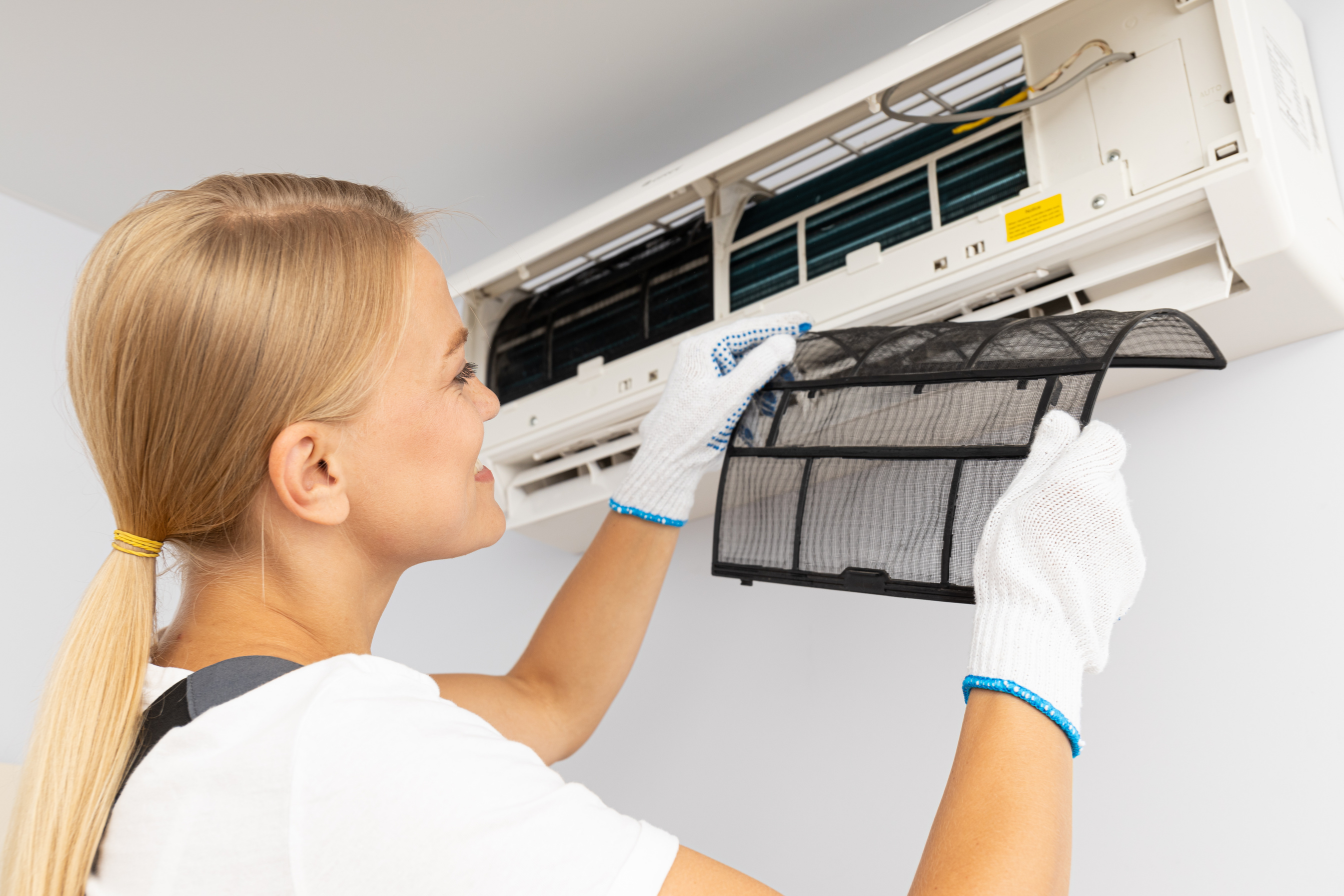
Your air conditioner plays a crucial role in keeping your home comfortable, especially during Florida’s sweltering summers. Like any mechanical system, it requires regular maintenance to function efficiently.
Here are the most common signs that indicate your air conditioner needs maintenance:
1. Reduced Airflow
Weak or inconsistent airflow is a common sign that something is obstructing the system’s ability to circulate cool air efficiently. This issue often starts small but can significantly reduce the comfort of your home if left unchecked.
Possible Causes:
Clogged or dirty air filters limit airflow and reduce system efficiency.
Obstructions in vents can block air from reaching your living or workspaces.
Dirty evaporator or condenser coils prevent proper heat transfer, restricting airflow.
Faulty blower fan or fan motor can result in weak airflow.
2. Warm Air or Inconsistent Cooling
If your AC is running but blowing warm air or not cooling effectively, it’s a strong indicator that there’s a problem with the refrigerant, compressor, or another vital component. This issue can lead to high energy consumption and discomfort in your space.
Possible Causes:
Low refrigerant levels prevent the system from absorbing and expelling heat properly.
Dirty coils can hinder the heat exchange process, resulting in poor cooling.
Faulty compressor can prevent refrigerant from circulating, which impacts cooling.
Malfunctioning thermostat can misread temperatures and prevent the AC from cooling as needed.
3. Strange Noises
Unusual sounds from your air conditioner, such as grinding, rattling, or hissing, are often a sign of internal issues that need immediate attention. These sounds can indicate worn-out components or other mechanical problems.
Possible Causes:
Grinding noises often point to a problem with the fan motor or fan blades.
Rattling sounds might suggest loose components or debris in the system.
Hissing or bubbling sounds could indicate a refrigerant leak or pressure issue.
Buzzing noises may point to electrical problems, such as a faulty capacitor.
4. Foul or Musty Odors
Bad smells coming from your AC system are typically caused by contaminants like mold, bacteria, or mildew accumulating in the ductwork or coils. These odors can worsen over time if not addressed and can negatively affect your indoor air quality.
Possible Causes:
Mold or mildew in the ducts can cause musty or stale odors.
Burning smells may indicate electrical issues, such as a malfunctioning motor or overheating components.
Pet or food odors trapped in ducts can be exacerbated by the circulation of air.
Dirty filters or clogged drainage systems can contribute to unpleasant smells.
5. Increased Energy Bills
A sudden spike in your energy bills can often be traced back to a poorly performing air conditioning system. If your system isn’t running efficiently due to dirty components or insufficient refrigerant, it will consume more energy to meet the desired temperature.
Possible Causes:
Dirty air filters restrict airflow, causing the system to run longer and consume more energy.
Low refrigerant levels make your AC work harder to cool your home.
Clogged coils or blocked outdoor units increase energy consumption by reducing cooling efficiency.
Undersized AC unit will constantly work harder to cool the space, leading to higher bills.
6. Water Leaks
Water pooling around your air conditioner is a clear sign that something is wrong. It could indicate a clogged drain line, refrigerant leak, or other issues that could cause water damage to your system and surrounding areas.
Possible Causes:
Clogged condensate drain line can prevent proper water drainage, causing leaks.
Frozen evaporator coils can result in excessive condensation, leading to water leakage.
Refrigerant leak can cause the coils to freeze, resulting in water pooling around the unit.
Damaged drain pan or improper installation can cause water to leak from the unit.
7. Frequent Cycling or Short-Cycling
If your AC turns on and off frequently or fails to run long enough to cool your space, this could indicate a problem with the system’s components, thermostat settings, or airflow. Short-cycling can cause increased wear and tear, reducing the lifespan of the unit.
Possible Causes:
Dirty air filters reduce airflow, leading to frequent cycling.
Faulty thermostat settings can cause the system to misread the temperature and turn off too soon.
Low refrigerant causes the system to work harder and cycle more often.
Overheating components like the compressor lead to automatic shutdowns to prevent damage.
8. Visible Ice on the Coils or Vents
Ice buildup on your AC coils or vents is a serious sign that your air conditioner is not functioning properly. Frozen coils are usually a result of low refrigerant, airflow issues, or a malfunctioning fan, and can lead to long-term damage if left unchecked.
Possible Causes:
Low refrigerant levels cause the evaporator coils to freeze, leading to poor system performance.
Dirty evaporator coils can cause condensation to freeze, obstructing airflow.
Blocked airflow due to dirty filters or ducts can cause the coils to freeze.
Malfunctioning blower fan prevents the proper circulation of air, leading to ice formation.
Essential Air Conditioning Maintenance Checklist for Optimal Performance
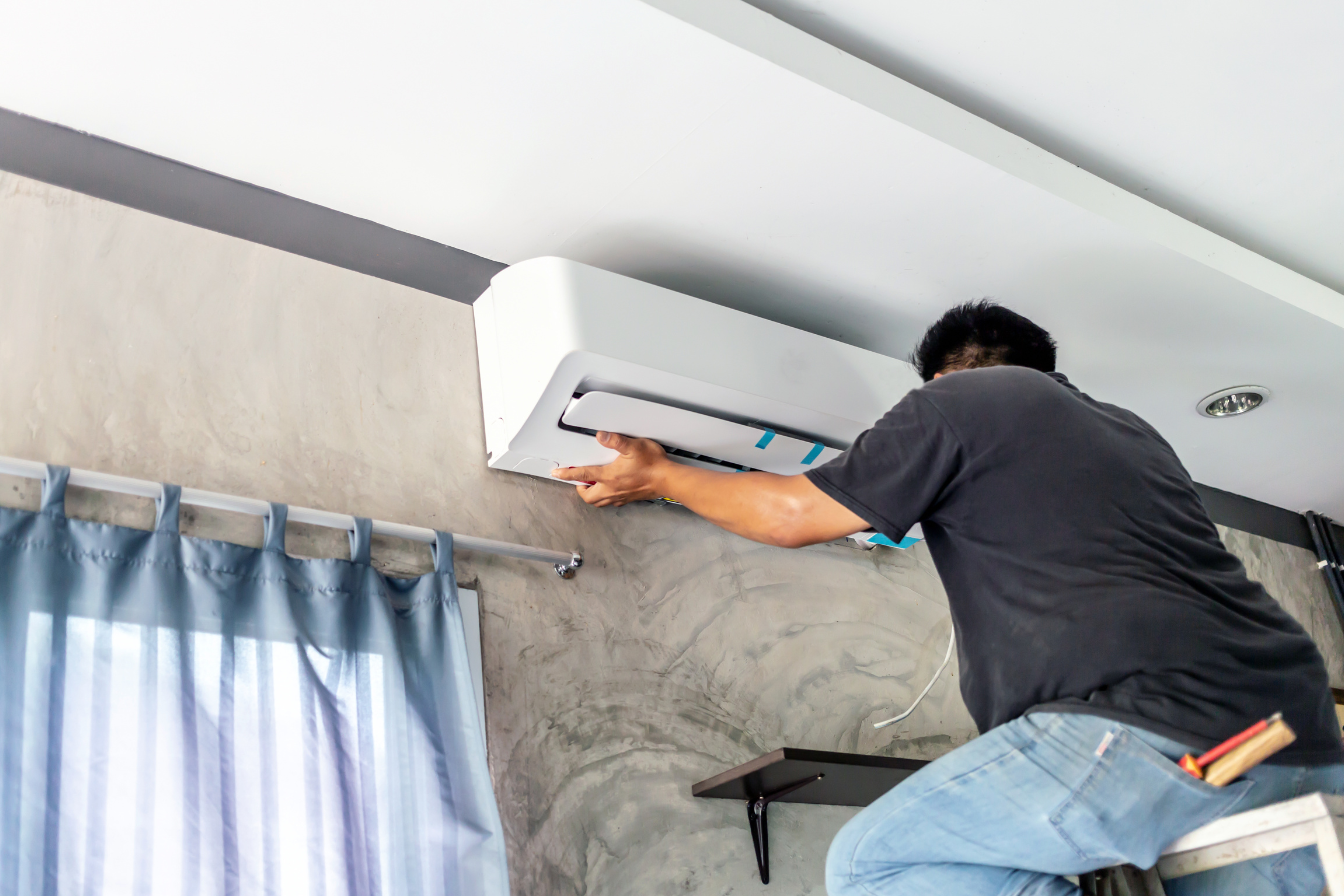
Air conditioning systems require routine maintenance to perform efficiently, especially in the heat and humidity of Florida. Regular maintenance not only extends the lifespan of your unit but also helps lower energy bills and prevent costly repairs.
Here’s an air conditioner maintenance checklist that covers key tasks for homeowners and business owners alike:
1. Inspect and Replace Air Filters
Air filters trap dust and debris from circulating air, and clogged filters can obstruct airflow. Rather than simply reducing performance, clogged filters make your system work harder, causing energy inefficiency.
Action Steps:
Check filters every 1–3 months.
Replace disposable filters or clean reusable ones.
Opt for high-efficiency filters if your home generates a lot of dust or if you have allergies.
2. Clean the Coils (Evaporator and Condenser)
Coils help remove heat from your home. When dirt accumulates on the evaporator or condenser coils, they lose their ability to exchange heat, which can lower system performance. Cleaning them prevents system inefficiency and ensures optimal cooling.
Action Steps:
Clean the evaporator and condenser coils at least once a year.
Remove any debris from the outdoor condenser unit.
Schedule professional cleaning if the coils are heavily soiled.
3. Clear the Condensate Drain Line
The condensate drain line removes moisture that builds up during the cooling process. If it’s clogged, it can lead to water damage or the growth of mold inside your unit. Cleaning the line regularly helps prevent these issues.
Action Steps:
Check for blockages in the condensate line.
Flush with a mixture of water and vinegar or a specialized cleaning solution.
Ensure the line is free of debris to allow water to flow freely.
4. Check Refrigerant Levels
Refrigerant is essential for heat transfer within the AC system. Low refrigerant levels can significantly reduce cooling efficiency, and improper refrigerant levels may indicate a leak, which should be addressed immediately to avoid damage.
Action Steps:
Have a professional technician check refrigerant levels during annual maintenance.
If levels are low, the technician will locate and repair any leaks before recharging the refrigerant.
5. Inspect Ductwork for Leaks
Leaky ducts allow cooled air to escape before it reaches your living space, resulting in energy loss and inefficient cooling. Sealing any leaks can improve system efficiency and reduce your overall energy consumption.
Action Steps:
Look for visible signs of leaks in the ducts, such as dust or air gaps.
Seal any holes or cracks using mastic or aluminum tape.
Consider hiring a professional to seal the ducts if leaks are widespread.
6. Test the Thermostat
A malfunctioning thermostat can lead to inconsistent cooling, wasting energy. Testing and recalibrating your thermostat ensures that it accurately reflects the desired temperature, avoiding unnecessary energy use.
Action Steps:
Check thermostat settings and ensure it's in cooling mode.
Replace batteries in digital thermostats.
Consider upgrading to a smart thermostat for better temperature control.
7. Clean the Blower Fan and Motor
The blower fan is responsible for circulating cool air throughout your home. If it’s obstructed or malfunctioning, airflow will be weak, making it harder to cool your space evenly. Proper maintenance of the blower fan helps ensure consistent cooling.
Action Steps:
Inspect the fan for dust buildup or obstructions.
Lubricate the motor to prevent wear and tear.
Check for any unusual sounds or vibrations and schedule repairs if necessary.
8. Inspect Insulation and Seals
Proper insulation around your AC unit and ductwork helps retain cooled air and prevent energy loss. Damaged or poor insulation can cause your system to overwork and result in higher energy bills.
Action Steps:
Inspect the insulation around the ducts and replace any damaged sections.
Check door and window seals for air leaks and replace them if necessary.
Ensure that the insulation is dry, as moisture can lead to mold growth.
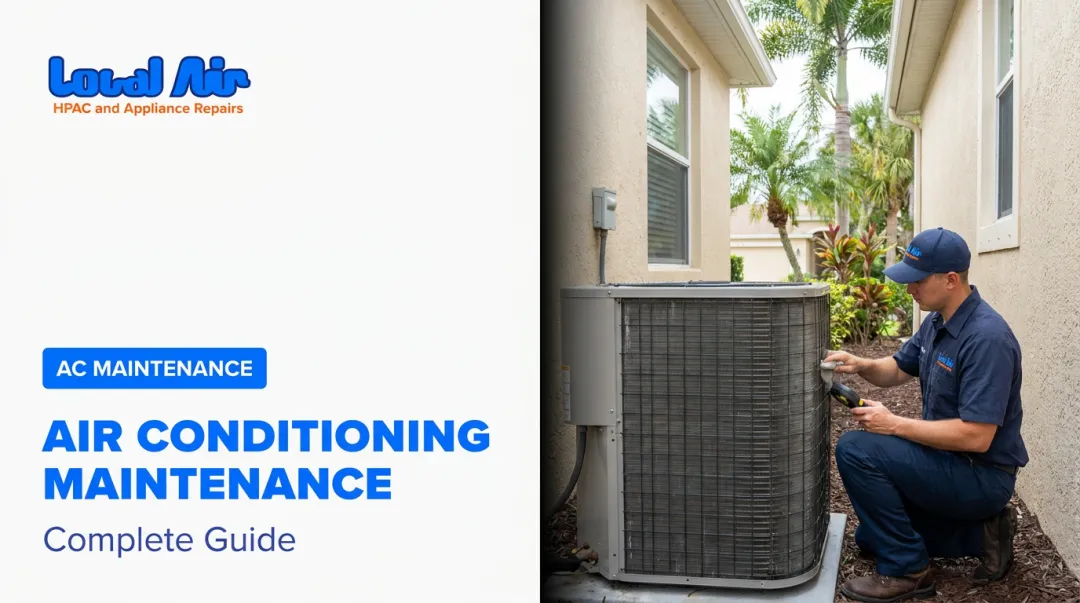
9. Clean the Outdoor Unit
The outdoor condenser unit plays a crucial role in expelling heat from inside your home. If it’s obstructed by leaves, dirt, or debris, it won’t be able to release heat effectively, reducing cooling efficiency and putting strain on the system.
Action Steps:
Clear debris from around the outdoor unit, ensuring at least 2 feet of clearance.
Clean the condenser fins with a soft brush or a fin comb if they’re bent.
Check the unit regularly for leaves, dirt, or grime buildup.
10. Inspect Electrical Components
Electrical components, including the capacitor, contactor, and compressor, are vital for the proper functioning of your AC system. Faulty electrical components can cause system malfunctions or even complete failure.
Action Steps:
Have a professional check the electrical components for wear or damage.
Inspect the system for tripped breakers or blown fuses.
Ensure wiring and connections are secure and free of corrosion.
11. Check for Ice on Coils or Vents
Ice buildup on your AC coils or vents is a sign that something is wrong, often due to low refrigerant, dirty coils, or restricted airflow. Ice formation reduces the system's efficiency and could lead to system damage if left untreated.
Action Steps:
Inspect the evaporator coils and vents for ice.
If you find ice, turn off the system and let it thaw.
Schedule a technician to check refrigerant levels or resolve airflow issues.
12. Schedule Professional Maintenance Annually
While homeowners can perform basic maintenance, annual professional maintenance ensures a comprehensive inspection and servicing of all components. A professional technician will clean parts, check refrigerant levels, and ensure that everything is working as it should.
Action Steps:
Schedule a professional inspection at least once a year, ideally before the cooling season begins.
Include a full system check to catch any potential issues early.
How Local Air HVAC Can Assist With Your Air Conditioner Maintenance Needs?
At Local Air HVAC, we understand the importance of keeping your air conditioner in top condition, especially in Florida’s Palm Beach County hot and humid climate.
Our professional maintenance services are designed to ensure that your AC system runs smoothly, improves energy efficiency, and helps maintain a comfortable indoor environment year-round.
Here’s how we can help:
Comprehensive Maintenance: Our team performs thorough inspections, cleaning, and tune-ups to ensure your AC system operates at peak performance.
Energy Efficiency Solutions: We identify ways to optimize your system, helping you save on energy bills and reduce wear and tear on your unit.
Proactive Service Plans: We offer customizable maintenance plans that include regular system checkups and priority service for any needed repairs.
Expert Technicians: Our certified professionals have the knowledge and experience to handle all aspects of air conditioner maintenance, ensuring your system runs as efficiently as possible.
Local Expertise: Serving Palm Beach County, we understand the unique demands of Florida’s climate and the specific needs of your AC system.
Customer-Focused Approach: Our technicians are committed to clear communication, explaining what’s happening with your system and offering practical solutions.
Contact Local Air HVAC today to schedule a comprehensive maintenance service and keep your home or business comfortable and efficient!
Conclusion
When it comes to your air conditioner, prevention is always better than repair. By following a consistent air conditioner maintenance checklist, you ensure that your system performs at its best, reducing energy costs, preventing breakdowns, and improving your indoor air quality.
If you want to keep your AC in top shape, Local Air HVAC is here to help. Our expert team offers professional maintenance services tailored to your needs, ensuring your system runs smoothly all year round.
Don’t wait for a breakdown! Contact us today to schedule your next maintenance appointment and stay cool without the hassle!
FAQs
1. How long does a typical AC maintenance service take?
Most professional tune-ups take between 60 to 90 minutes depending on system size, cleanliness, and any issues found during inspection.
2. Can skipping maintenance void my AC warranty?
Many manufacturers require documented routine maintenance to keep warranties valid, especially for compressors and major components.
3. Is AC maintenance still necessary if my system is new?
Yes. New systems benefit just as much from regular care, and early maintenance helps preserve efficiency and prevent premature wear.
4. What time of year is best for AC maintenance in Florida?
Late winter or early spring is ideal, before peak summer demand puts maximum strain on your system.
5. Does regular maintenance help with humidity control inside the home?
Yes. Clean coils, proper refrigerant levels, and good airflow allow your AC to remove moisture more effectively, improving comfort and indoor air quality.