Key Takeaways
If the inside blower runs but the outside fan doesn’t, turn cooling off to protect the system. Use the fan only if you need airflow.
Do the 2-minute basics in one pass: thermostat → breaker → outdoor disconnect seating → obvious airflow blockage.
Then classify the symptom: outdoor unit silent vs humming/buzzing vs tries to start. Each point leads to a different likely cause.
If the breaker re-trips, you smell burning, or you hear loud buzzing, stop and book a technician.
In Palm Beach County, surges, corrosion, and year-round runtime increase risk. Tune-ups reduce repeat failures.
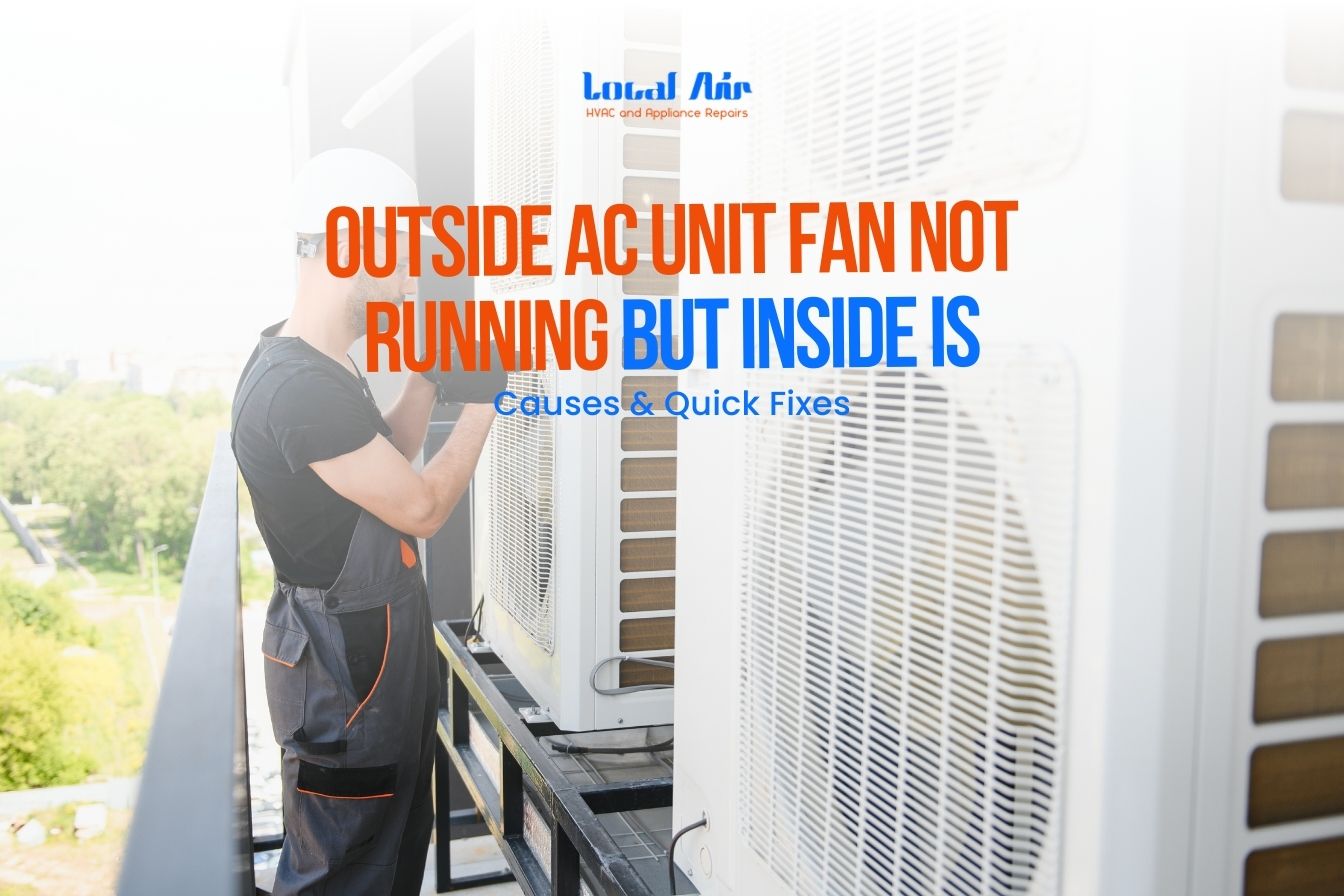
What to Do When the Outdoor AC Fan Isn’t Running (But Air Is Still Blowing Inside)
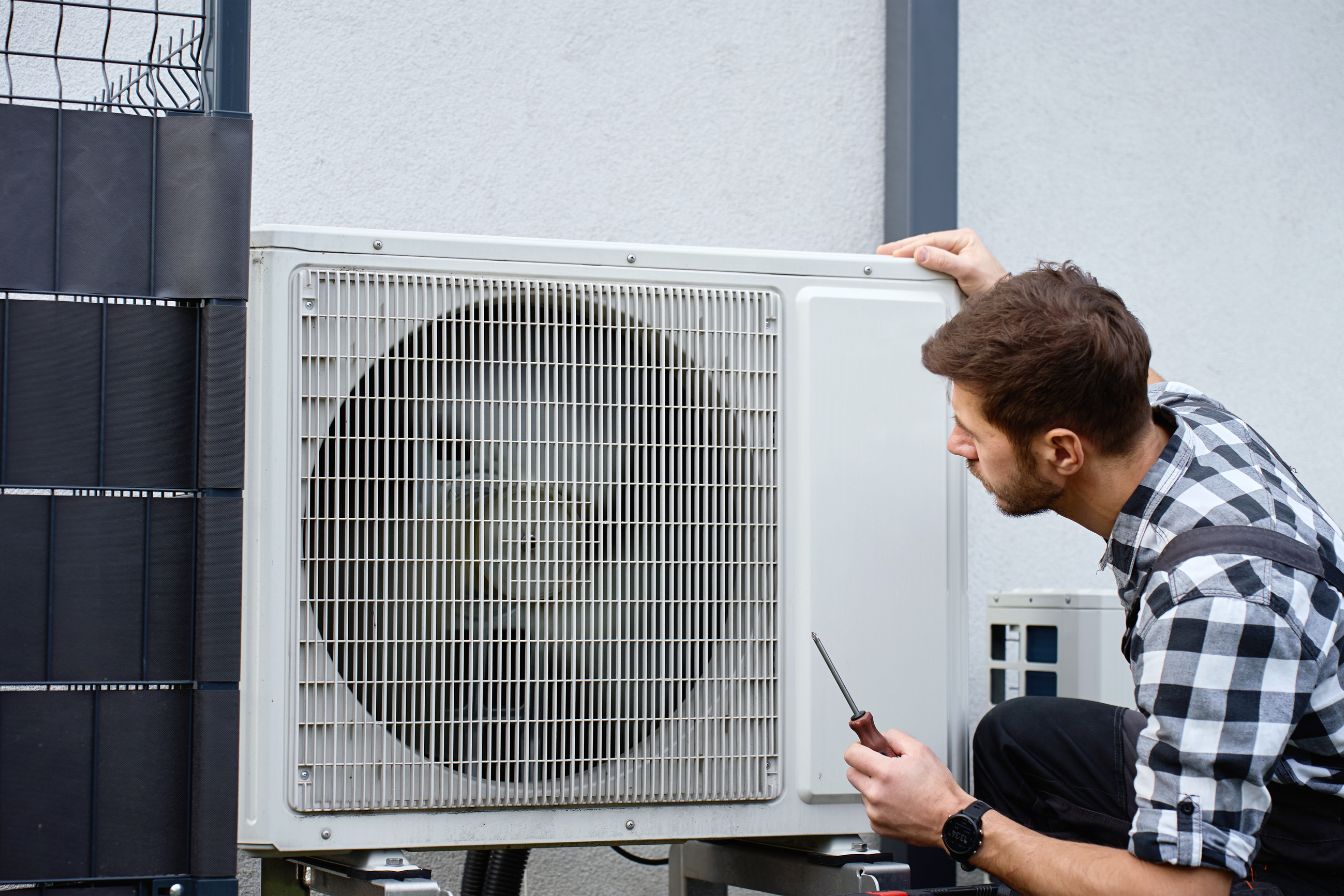
When your vents are blowing, but the outside fan isn’t spinning, treat it as a system-protection issue. This is a common Palm Beach County call because systems run hard in heat and humidity.
The inside blower can keep running even when the outdoor unit is failing, so it can look “half working” when it’s not.
Step 1: Protect the System First
Set the thermostat to Off / Cooling Off.
If you need air moving in the house, switch to Fan On (airflow only, no cooling).
This step matters because repeated cooling calls while the outdoor fan is down can turn a repair into a bigger problem.
Step 2: Confirm the Basics
You’re only checking the “simple and safe” items here. No panels. No tools.
Thermostat
Confirm it’s on Cool.
Set the temperature 2–3°F lower than the room temperature.
Wait a few minutes for the system to respond.
Breaker
Check the AC breaker at the main panel.
If it’s tripped, reset it once.
If it trips again, stop. Don’t keep resetting it.
Outdoor disconnect (visual only)
Near the outdoor unit, look at the disconnect box.
Confirm it appears fully seated/on. Don’t open it. Don’t touch wiring.
Airflow around the condenser
Make sure the outdoor unit isn’t choked by leaves, bags, toys, furniture, or fresh landscaping piled close to the sides.
Clear anything obvious you can move safely.
Step 3: Stop and Book a Technician If You Notice Any of These
The breaker re-trips
You smell burning or see signs of overheating
You hear loud buzzing/humming from the outdoor unit
The outdoor unit feels very hot or seems like it’s straining
For homeowners and small businesses, this is the “don’t gamble” line. In Florida heat, getting the right diagnosis fast is usually cheaper than waiting.
If those basics don’t bring the outdoor fan back, the next step is to classify what you’re seeing and hearing: silent vs humming vs tries-to-start, because that’s what narrows the likely cause.
What Your Symptoms Usually Mean (Silent vs Humming vs Tries-To-Start)
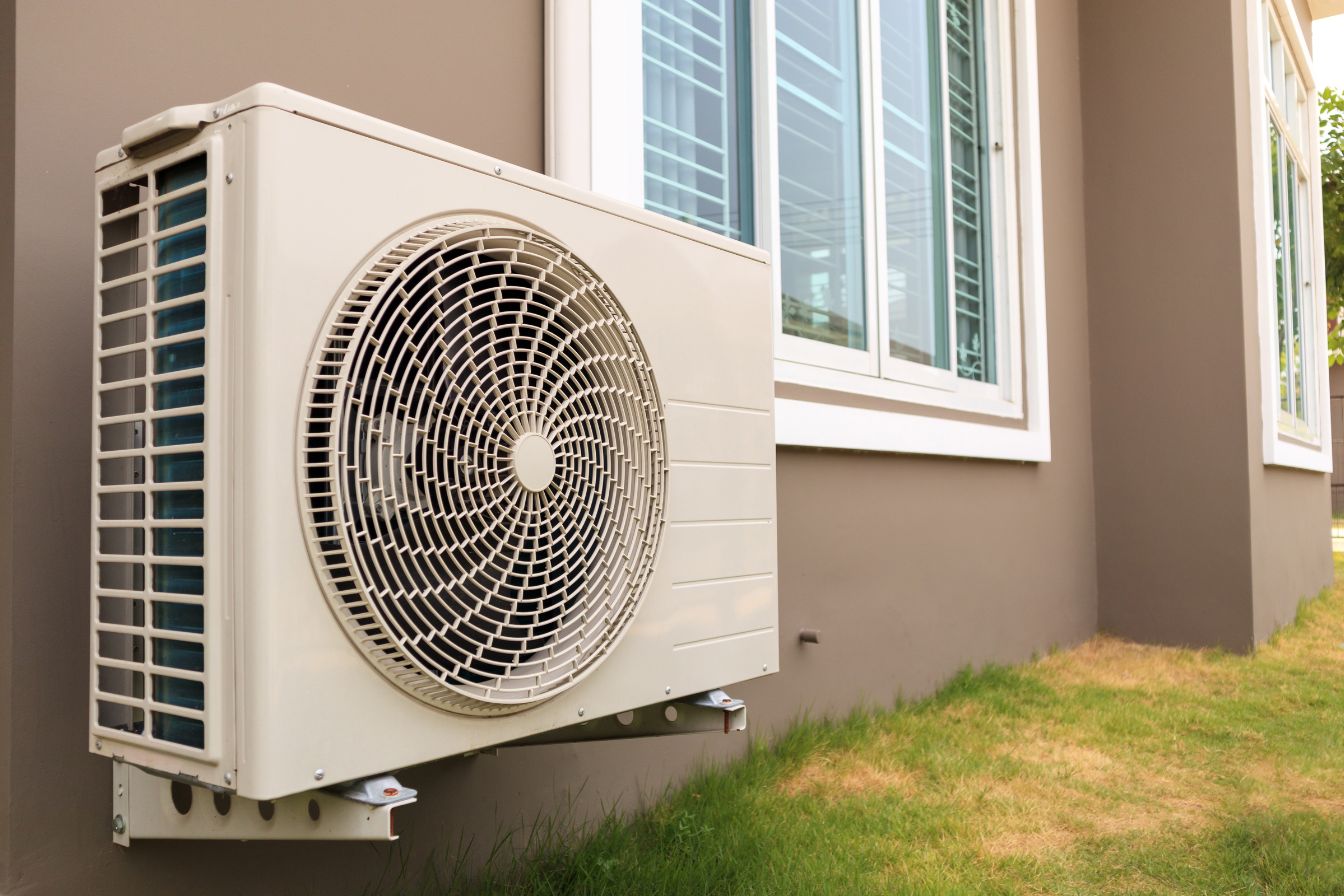
Once you’ve done the safe basics and the outdoor fan still won’t run, the fastest way forward is to sort what you’re seeing into one of three buckets. You’re not trying to diagnose parts. You’re trying to decide how urgent this is and what the next move should be.
Bucket A: The Outdoor Unit Is Silent
If the outside unit has no sound, no vibration, and the fan isn’t attempting to move, this usually points to a power or control issue, not “a weak fan.”
What it usually indicates: Power isn’t reaching the outdoor unit, or the unit isn’t being allowed to start (disconnect/breaker/control/contactor-level issue).
Urgency cue: If the breaker trips again when you reset it once, stop and book service. Re-tripping is a strong sign that this is beyond safe homeowner checks.
What to do next
Book the service soon if it stays silent after the basics.
Book a service now if you also have breaker issues or any burning smell.
Bucket B: The Outdoor Unit Hums or Buzzes, But the Fan Won’t Spin
If you hear humming or buzzing from outside but the fan stays still, the system is often trying to start but can’t.
What it usually indicates: A start-related issue is common here (often linked to a capacitor/start circuit), or a fan motor that can’t get moving.
Clear boundary:
Don’t try to “push start” the fan.
Don’t open panels or attempt electrical checks.
What to do next: This is usually a book service now scenario, especially in Florida heat, where the system gets stressed quickly.
Bucket C: The Fan Tries To Start, Then Stops Or Runs Intermittently
If the fan twitches, spins briefly, then stops, or the unit cuts in and out, think “unstable operation,” not “random glitch.”
What it usually indicates: Overheating motor behavior, a failing start component, or an electrical connection issue that’s breaking down under load.
What to do next: Book the service now. Intermittent behavior tends to worsen, and repeated cycling is not something you want during peak heat.
One-line reminder: If the outdoor fan isn’t running reliably, keeping cooling on can increase the chance of bigger damage, so err on the safe side.
Symptom-To-Next-Step Map:
What You Observe | What It Usually Indicates (High Level) | What You Should Do Immediately | Can You Keep Cooling On? | Next Step |
|---|---|---|---|---|
Outdoor Unit Silent | Power/disconnect/control issue, or unit not being allowed to start | Confirm basics were done; don’t keep cycling the system | No | Call Soon (Call Now if breaker issues) |
Humming/Buzzing, Fan Not Spinning | A start-related issue is common; the unit is trying to start | Turn cooling off; don’t touch the fan or open panels | No | Call Now |
Fan Tries Then Stops / Intermittent | Overheating motor behavior or failing start/connection under load | Turn cooling off; avoid repeated restarts | No | Call Now |
Breaker Trips When Cooling Starts | Electrical fault or overload condition | Stop resetting; leave it cooling off | No | Call Now |
Fan Runs But Indoor Air Is Warm | The outdoor unit may be running, but not removing heat effectively | Turn cooling off if the air stays warm; don’t “wait it out.” | No | Call Soon (Call Now if rapidly worsening) |
Once you’ve matched your symptom to a bucket, the next step is getting the right diagnosis fast.
What a Technician Will Check And What to Tell Them on the Phone
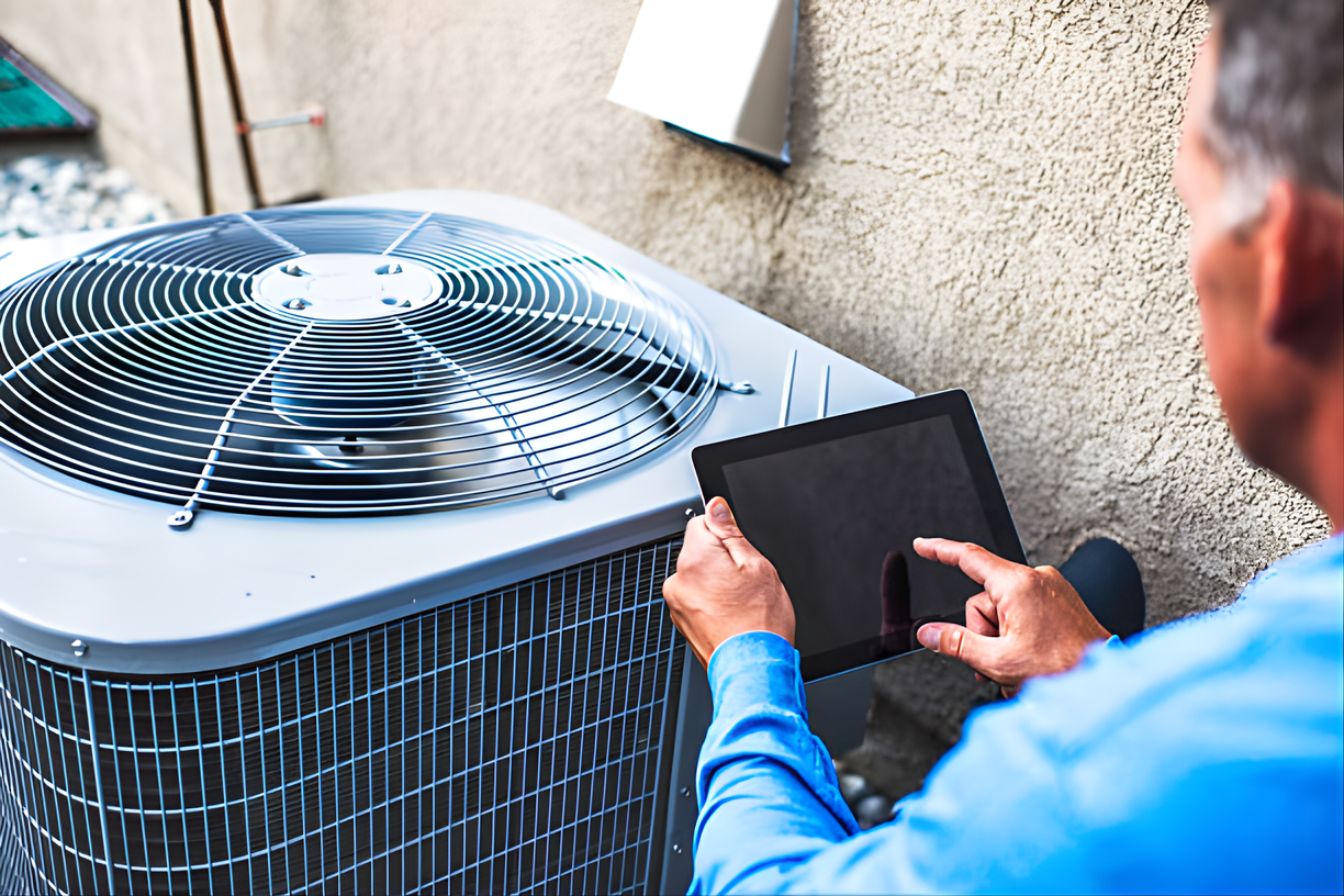
If you’re calling for service, you need to help the technician confirm the cause fast and avoid a “reset and leave” visit. For this symptom, a good diagnosis is usually straightforward when the right details are shared up front.
What a Technician Will Check
A technician is typically working through a short verification sequence, no guessing, just confirming what the system is doing and why.
Verify the call for cooling
Confirms the thermostat is actually requesting cooling and the system is responding the way it should.
Confirm power to the outdoor unit
Checks that the outdoor unit is receiving power and that there isn’t a disconnect, breaker, or electrical interruption issue.
Confirm the outdoor section is engaging correctly
Verifies the unit is attempting to start and whether it’s failing at the “start” moment or failing after it starts.
Evaluate the start and fan operation components
Checks the parts responsible for starting and sustaining fan operation (kept high level). The goal is to determine whether the fan can start reliably and stay running under load.
Verify performance after the fix
After repair, a technician should confirm that the fan starts normally, and the system is actually cooling, not just “running.”
What to Tell Them When You Call
If you share these details upfront, you usually cut down diagnosis time and reduce the chance of a return visit.
Which bucket are you in?
“The outdoor unit is silent” / “It hums or buzzes, but the fan doesn’t spin” / “The fan tries to start then stops.”
Breaker behavior
“The breaker was tripped.” / “I reset it once, and it tripped again.” / “Breaker isn’t tripped.”
Any recent storm or power event
“We had a storm,” / “There was a flicker/outage” / “Power has been unstable.”
Unit age and maintenance context
Approximate age of the system, and whether it’s been serviced recently (even “not sure” is useful).
Remember, the job isn’t done when the unit turns on once; it’s fixed when the outdoor fan starts reliably and cooling performance is verified.
In Palm Beach County, a few conditions make this problem show up more often. Understanding them helps you reduce repeat breakdowns.
Why This Is Common in Palm Beach County
This symptom shows up a lot in Palm Beach County because the outdoor unit lives in a harsher environment than most “generic” AC advice assumes.
In many parts of the country, an air conditioner gets a real off-season. Here, systems run for long stretches of the year, often through peak heat, high humidity, and frequent weather swings.
That combination speeds up wear on the outdoor fan system and the electrical parts that help it start and stay running.
Runtime Load Is Higher Here Than “Seasonal” Markets
When an AC runs almost daily, the outdoor fan and the components that support it cycle more often.
Over time, heat and load take a toll.
A fan motor that’s been “almost fine” can fail suddenly once it’s close to the edge. That’s why homeowners often describe this as a surprise: the inside blower still pushes air, but the outdoor section can’t do its job reliably anymore.
Seasonal Storm Power Swings Put Extra Stress On Start Components
In South Florida, power events don’t always look like a full outage. They can be brief flickers, brownouts, or repeated on-off moments that happen during storms.
Those moments are stressful for outdoor equipment because starting up is when the system draws harder and relies on electrical components to engage cleanly.
That’s also why breaker behavior matters here. If the breaker trips and then trips again, it’s often signaling a real electrical fault or overload condition, not something that improves with repeated resets.
Coastal Corrosion Impacts Outdoor Connections Over Time
Even if you’re not directly on the water, salt in the air and persistent humidity can accelerate corrosion outdoors.
Corrosion doesn’t just affect how something looks. It can degrade connections and contribute to intermittent behavior, especially in electrical components that need solid contact to start and run consistently.
Over time, that can translate into the exact pattern you’re seeing: indoor airflow continues, but the outdoor fan becomes unreliable.
Landscaping Shrinks Airflow Clearance Without You Noticing
This is a common local trigger, especially after yard work or seasonal growth spurts.
Condensers need breathing room. When shrubs creep closer, mulch piles up, or debris collects around the unit, airflow drops.
Reduced airflow makes the outdoor section work harder to shed heat. The harder it has to work, the more strain you put on the fan motor and the system’s ability to start smoothly in hot conditions.
The practical takeaway for Palm Beach County homeowners and small commercial spaces is that this is not “bad luck.” It’s often the predictable result of heavy runtime plus environmental stress.
That’s also why preventing repeats here looks different than in a mild climate.
If you want fewer breakdowns and more predictable cooling, focus on prevention priorities that specifically reduce outdoor-fan failures.
How to Prevent a Repeat of This Exact Problem
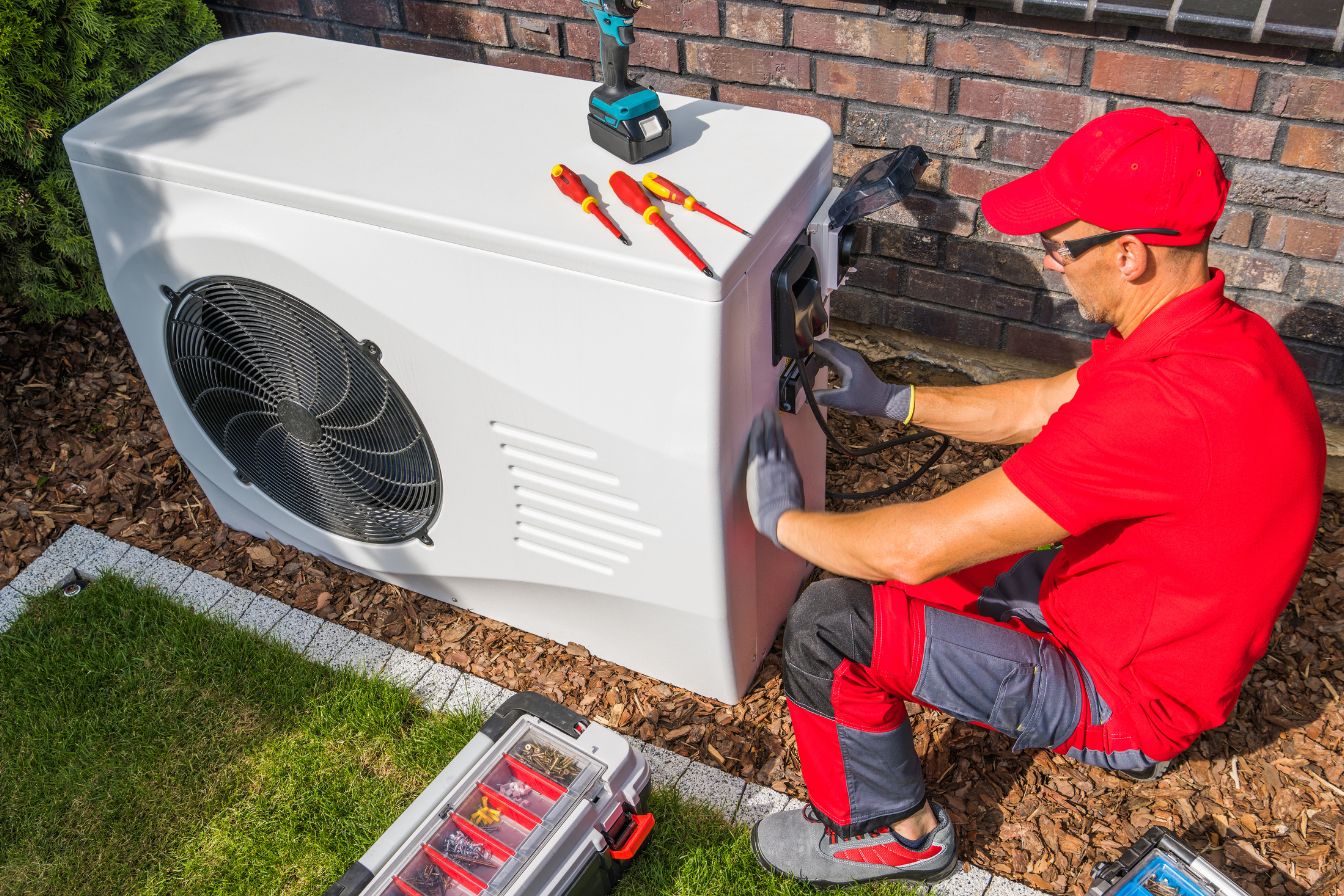
If you want to avoid another “inside blows, outside fan doesn’t” day, focus on the few maintenance priorities that directly affect outdoor fan load + start reliability. Skip the generic checklist.
Keep Airflow Around The Condenser Clean And Unblocked
Maintain clear space around all sides of the outdoor unit (don’t let shrubs “creep in”).
Keep mulch, leaves, palm fronds, and outdoor furniture away from the unit.
After yard work or storms, do a quick walk-around to clear debris.
Why it matters for this symptom: restricted airflow forces longer/hotter operation, which increases stress on the outdoor fan system.
Treat Coil Condition As A Performance Safeguard
Dirty coils make the system run longer to do the same cooling work.
A longer runtime raises heat stress on outdoor components.
Put coil condition on your service checklist (don’t guess based on “it turns on”).
Use Tune-Ups To Catch “Almost Failing” Behavior Early
A proper tune-up confirms the outdoor unit starts cleanly and runs steadily under load.
It also flags early instability before it becomes an emergency call in peak heat.
For aging or heavily used systems, verification matters more than “it ran yesterday.”
Act On Early Warning Signs Before They Turn Into A No-Cooling Event
New buzzing/humming you haven’t heard before
The outdoor fan starts late, starts unevenly, or seems inconsistent
Cooling cycles are getting noticeably longer
Bills rising without a clear usage change
Unit works in the morning but struggles in the afternoon heat
If the outdoor fan still won’t start after the basics or the system is acting unstable, getting a local technician is the safest next step.
Local Air HVAC: The Practical Next Step When You’re at the “Call a Pro” Point
Local Air HVAC is set up for exactly this type of Palm Beach County breakdown because we don’t just “get it to turn on.” We diagnose what failed on the outdoor condenser side, restore stable operation, and then address the conditions that commonly cause repeat issues in high heat and humidity.
AC Repair (Condenser-Side Diagnosis + Fix)
Identify why the outdoor fan isn’t starting or staying running and repair the failure so the system runs reliably under load.
AC Tune-Up And Performance Verification
Confirm the system starts cleanly, runs consistently, and is actually delivering cooling, not just “powering on.”
Condenser And Evaporator Coil Cleaning
Reduce strain on the outdoor unit by improving heat transfer. This helps prevent the “runs hotter/longer” pattern that pushes fan-side parts toward failure.
Drain Line Service (Flush/Extraction)
In humid climates, drain issues can create shutdowns and performance problems that get mistaken for “the AC is acting weird.” Clearing the drain path supports stable operation.
Follow-Up Recommendations That Reduce Repeat Breakdowns
Practical next steps based on what we find, so you don’t end up with the same symptom again during the next high-demand stretch.
If cooling is down or the unit is showing “call now” signs, book a diagnosis and repair with Local Air HVAC.
Conclusion
When the inside blower is running, but the outdoor fan isn’t, the smartest move is to protect the system first, run the short list of safe checks, and then stop guessing.
Once you’ve identified whether the outdoor unit is silent, humming, or trying to start, you’ll know how urgent the situation is and whether it’s time to bring in a technician.
In Palm Beach County, these failures often show up at the worst time because systems run hard, storms stress electrical systems, and outdoor conditions accelerate wear. That’s why the goal isn’t just to get the fan spinning once; it’s to restore reliable cooling and reduce the chance of a repeat breakdown.
If you’re in a “call now” bucket, book a diagnosis and repair. If you’re not there yet, prioritize the prevention steps that keep airflow clean, reduce strain, and catch early warning signs before they turn into a no-cooling day.
FAQs
Will the Indoor Fan Blow If the Outdoor Unit Isn’t Working?
Yes. The indoor blower can run even when the outdoor condenser can’t start or stay running. Airflow doesn’t guarantee cooling.
What Happens If I Keep Calling for Cooling When the Outdoor Fan Isn’t Running?
It can increase strain and can lead to bigger damage. If the outdoor fan won’t run reliably, it’s safer to stop cooling and get it checked.
What Does It Mean If the Outdoor Unit Is Humming but the Fan Won’t Spin?
The system may be trying to start, but can’t. Start-related issues are commonly tied to this symptom and usually require a technician.
Why Does My AC Work in the Morning but Fail in the Afternoon?
Heat load is higher later in the day. Weak components can behave “fine” at lower demand and fail when conditions are harsher.
Is This Usually a Capacitor or a Fan Motor?
Both are common, and symptoms overlap. Confirmation requires testing, so avoid DIY electrical work.
How Urgent Is This in Florida Heat?
Same-day is reasonable if cooling is compromised, the system is older, or a business needs stable comfort for operations.