When your AC fan is running, but your home still feels warm and sticky, it puts you in a tough spot. You hear the system working, the air is moving, yet the temperature never drops. In a heat and humid climate, this mismatch can quickly lead to sleepless nights, higher energy bills, and concerns about a serious repair. In fact, HVAC systems account for over 40% of energy use in the average Florida home, so even minor cooling issues can raise costs fast.
This situation doesn’t always mean your system has failed, but you shouldn’t ignore it. Some causes are relatively minor if addressed early, while others can worsen quickly in older or heavily used systems, common across South Florida. Acting early can help reduce downtime, prevent further damage, and keep your home comfortable in a hot and humid climate.
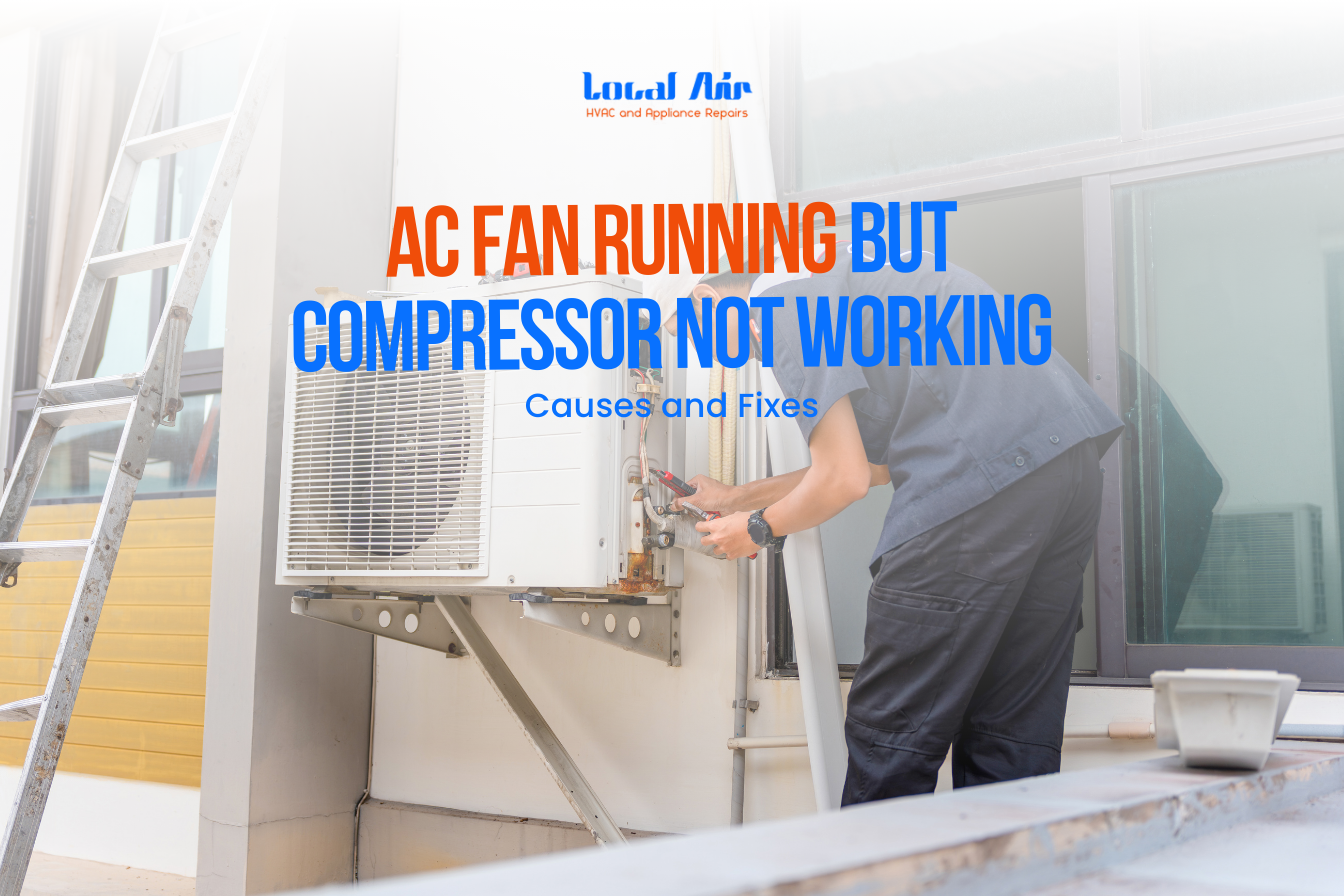
This guide explains why the fan kicks on but compressor not working, what causes it, and how homeowners in Palm Beach County can respond wisely.
Key Highlights:
The AC compressor is the core of the cooling system, moving refrigerant to remove heat, while the fan only circulates air.
Common causes of a running fan with a non-working compressor include electrical issues, thermostat or control problems, low refrigerant, overheating, dirty coils, and mechanical failures.
Homeowners can perform safe checks like adjusting thermostat settings, replacing batteries, resetting breakers, listening for unusual sounds, and clearing debris around the outdoor unit.
Professional HVAC service is needed for capacitor or contactor replacement, electrical repairs, refrigerant handling, coil cleaning, and mechanical compressor issues to restore proper cooling.
What is a Compressor in an AC Unit?
The compressor in a central air conditioner is often called the “heart” of the cooling cycle, located in the outdoor condenser unit. Its main job is to move refrigerant through the system so heat can be removed from your home.
Here’s how it works in simple terms:
The compressor pressurizes the refrigerant gas
The refrigerant carries heat out of your home.
The condenser releases that heat outdoors
Cooled refrigerant returns inside to absorb more heat
If the compressor stops working, this cycle breaks down. Air might still circulate, but it won’t be cold. This is different from the fan, which only moves air and doesn’t itself cool the home.
Common Causes of Fan Running but Compressor Not Working
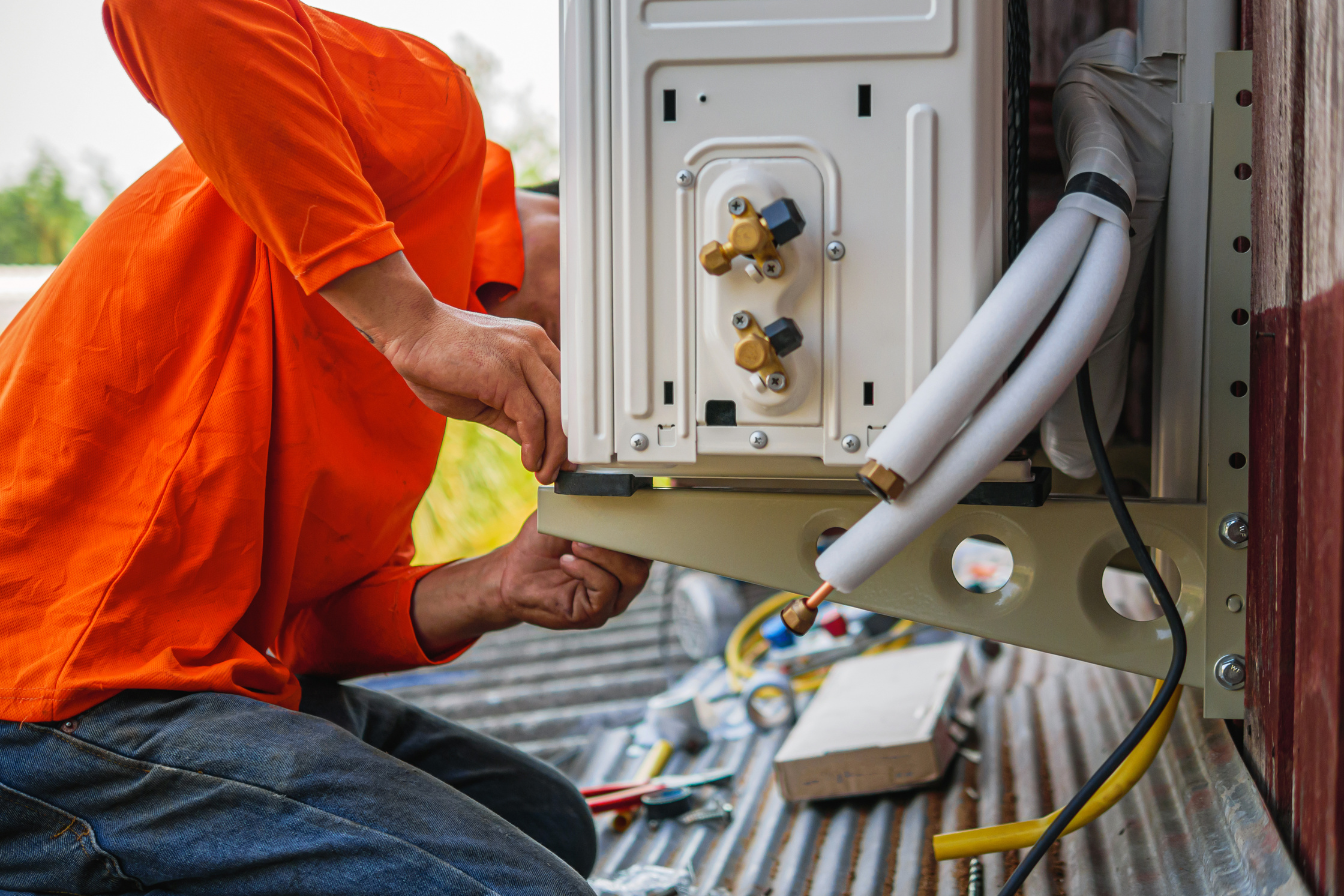
Several issues can make the outdoor fan run while the compressor stays off. Knowing the most common causes helps you identify urgency and next steps.
Electrical Issues That Prevent the Compressor From Starting
Electrical problems often stop the compressor from starting, even when the fan keeps running. Some issues are easy to fix, while others need professional attention.
Failed Capacitor
Capacitors help start and keep the compressor running. When they fail, the compressor cannot start even though the fan operates. This is a frequent issue in Palm Beach County due to constant heat exposure.
Signs of a bad capacitor:
Humming sound from the outdoor unit
Fan runs, compressor silent
System shuts down shortly after starting
Capacitors store electrical energy and can be dangerous to handle without training.
Tripped Breaker or Blown Fuse
Sometimes the compressor pulls too much power and trips the breaker, while the fan keeps running on a separate circuit.
Signs and considerations:
Outdoor unit fan runs, but the indoor air remains warm
Breaker trips during high demand
Repeated trips suggest deeper electrical or mechanical issues
This is especially common in older Florida homes during peak summer usage.
Faulty Contactor
The contactor is an electrical switch that sends power to the compressor. When it wears out, the fan may still receive power, but the compressor won’t.
Signs of a faulty contactor include:
Clicking sounds without compressor startup
Intermittent cooling
AC working one day and failing the next
This isn’t a DIY fix; it needs a professional to replace it.
2. Thermostat and Control Problems
Thermostat or control issues can also stop the compressor. You can safely check a few basic settings before calling a technician.
Incorrect Thermostat Settings
A misconfigured thermostat can prevent the compressor from starting:
Cooling mode not activated
Temperature set too high
Programming errors
This is one of the easiest and safest checks you can do yourself.
Faulty Thermostat Wiring or Sensors
Loose wires or damaged temperature sensors can stop communication between the thermostat and the outdoor unit.
Signs include:
AC fails to respond to thermostat changes
Unit operates intermittently
Older Florida homes may experience wiring degradation due to humidity
Low or Leaking Refrigerant
Refrigerant issues often cause the fan kicks on but compressor not working scenario, especially in older systems.
Low refrigerant can trigger safety switches that prevent compressor operation.
Warning signs include:
Warm air indoors
Ice buildup on refrigerant lines
Hissing or bubbling sounds
Handling refrigerant requires EPA certification and professional tools.
Overheating and Safety Shutoffs
Florida’s high temperatures put extra strain on AC compressors. Overheating triggers safety measures that stop the compressor while the fan keeps running.
Overheating can occur due to:
Dirty condenser coils restrict heat release
Blocked airflow increases operating temperature
Continuous long-run cycles add stress
Too much overheating can shorten your compressor’s life.
Dirty Condenser Coils
Condenser coils release heat outside. When clogged with dirt, salt, or debris, the compressor works harder and may shut down.
In coastal areas like Lake Worth Beach and Manalapan, salt air accelerates coil buildup.
Effects include:
Compressor overheating
Short cycling
Reduced system lifespan
Routine cleaning helps prevent this issue.
Mechanical Compressor Failure
Sometimes the compressor itself fails, which is usually the most serious and expensive problem.
Common signs include:
Loud clanking or grinding noises
Burning smells
Breaker trips immediately when cooling starts
Internal compressor failure often leads to major repair decisions and cost considerations.
How to Fix an AC Compressor Not Working?
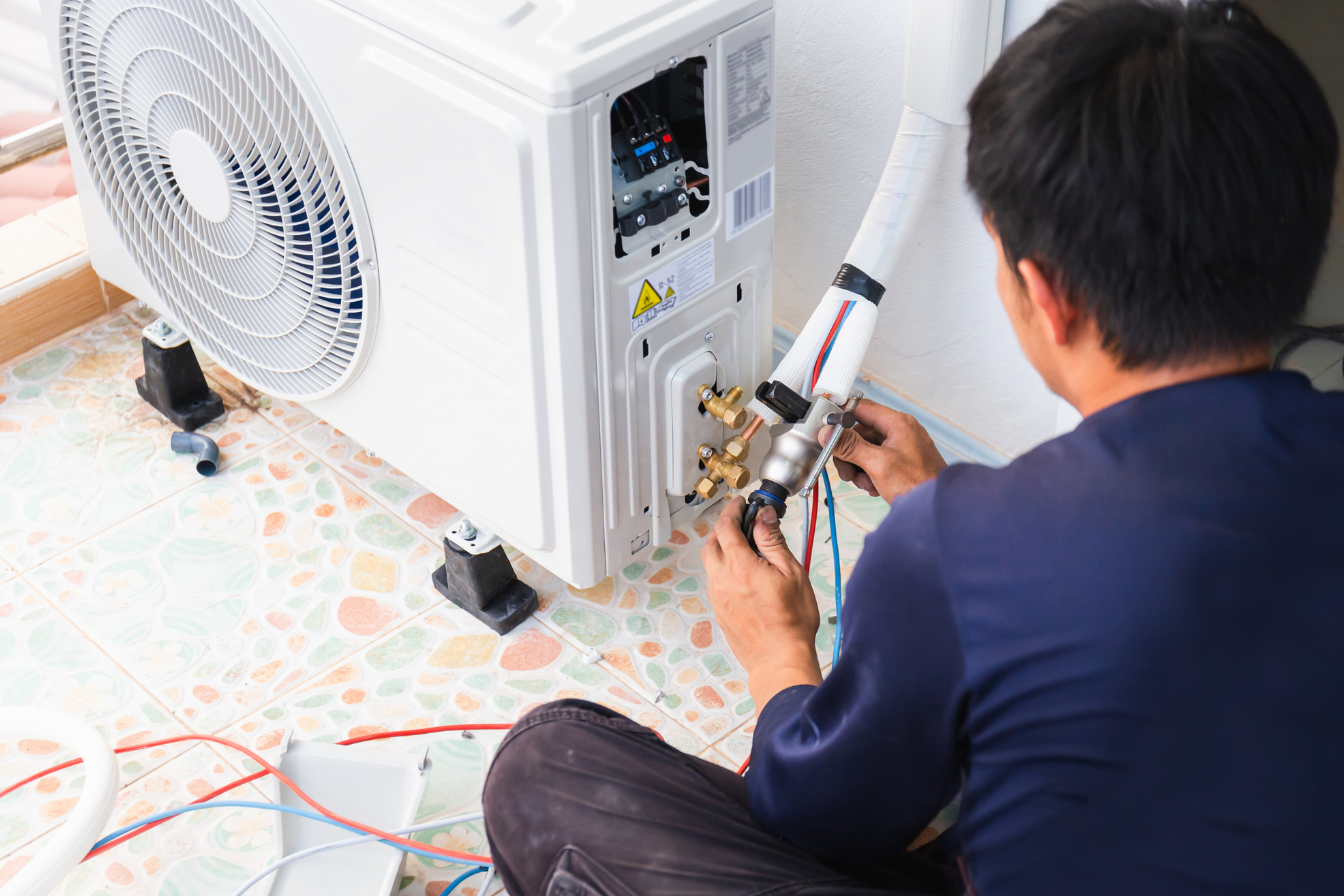
Once the cause is identified, the solution depends on whether it’s something you can safely check yourself or if it needs a pro. Acting early helps limit repair costs and system damage.
Safe Checks Homeowners Can Perform
Before calling for service, there are a few steps homeowners in Palm Beach County can safely take.
Check thermostat settings: Make sure the thermostat is set to Cool, the temperature is lower than the current room temperature, and the fan setting is on Auto, not “On.”
Replace thermostat batteries: Weak batteries can interrupt proper communication between the thermostat and the system.
Reset circuit breakers: Locate your service panel and reset breakers linked to your outdoor unit. Sometimes, a tripped breaker can stop the compressor while the fan keeps running.
Listen for unusual sounds: Buzzing, humming, or clicking noises can signal electrical issues like a bad capacitor or contactor problems.
Clear Debris Around the Outdoor Unit: Remove leaves, grass, and debris around your condenser so air can flow freely. Blocked airflow makes your system overheat faster.
Fixes That Require Professional HVAC Service
The following issues should only be addressed by trained HVAC technicians because of safety risks and required tools:
Capacitor or Contactor Replacement: Technicians can test these parts and replace any that have failed, getting your compressor running again quickly.
Electrical wiring and relay repairs: Loose or corroded wiring inside the outdoor unit can prevent the compressor from getting power. Experts will inspect and fix these safely.
Refrigerant leak detection and recharge: Handling refrigerant requires certification and specialized gauges. Professionals will locate and fix leaks before recharging the correct amount.
Mechanical compressor diagnosis: If internal parts have failed, a technician can decide if rebuilding or replacement is needed.
Coil and airflow cleaning: Dirty condenser coils stop heat from escaping. Professionals clean them properly so your compressor runs without overheating.
How Local Air HVAC Can Help Diagnose and Fix Compressor Issues?
When compressor problems arise, accurate diagnosis matters. Local Air HVAC provides professional diagnostics and repair services tailored to Florida’s climate and housing conditions.
Here’s how we can assist you:
Experienced Local Diagnosis: Local Air HVAC technicians bring 20+ years of HVAC experience to pinpoint compressor issues, electrical faults, and pressure problems accurately.
Full Electrical Testing: Technicians inspect wiring, capacitors, contactors, and breakers to determine whether the compressor isn’t starting due to a power issue or internal failure.
Refrigerant Evaluation: They check refrigerant pressure levels and look for leaks that can shut down the compressor, rather than guessing at symptoms.
Outdoor Unit Inspection: The outdoor condenser (where the compressor lives) is evaluated for debris, overheating, and airflow restrictions common in Florida’s humid climate.
Safety‑First Repairs: If fixes involve electrical components or refrigerant handling, technicians complete them safely to protect both your system and your home.
Component Replacement: When parts like capacitors or contactors fail, Local Air HVAC can replace them quickly to restore compressor startup without unnecessary delay.
Cost‑Aware Recommendations: Technicians will explain whether a compressor part repair or full system replacement makes more sense based on age, performance, and long‑term reliability.
Getting problems resolved early by the Local Air HVAC team in West Palm Beach, Wellington, Boca Raton, Delray Beach, and surrounding Florida areas can save you time and money over the long term.
Conclusion
When your AC fan is running, but the compressor is not working, it is not a minor glitch. It is a warning sign that your system cannot cool properly and may be under serious strain. In Florida homes, ignoring this issue can quickly lead to discomfort, higher energy costs, and system damage.
Some causes are simple, such as airflow restrictions or electrical resets. Others require professional diagnosis to protect your system and your safety. Acting early helps prevent full system failure and supports reliable cooling during the hottest months of the year.
If your AC fan is running but cooling has stopped, Local Air HVAC can help assess the issue and recommend the right next steps for your home or small business. Contact us today.
FAQs
What are the signs of a failed compressor overload protector?
A failed compressor overload protector may cause the AC to stop cooling, the fan to run while the compressor stays off, or frequent tripping of circuit breakers. You might also notice unusual humming, clicking, or the system restarting repeatedly without starting the compressor.
Can I fix an AC compressor not starting myself, or do I need a professional?
Fixing a compressor involves handling high-voltage components, refrigerants, and diagnosing electrical or mechanical faults. For safety and accurate repair, it’s recommended to hire a licensed HVAC professional rather than attempting a DIY fix. Improper handling can damage the AC or cause injury.
How much does it cost to repair an AC where the fan runs but the compressor doesn't?
Repair costs depend on the specific issue affecting the compressor. Minor problems, such as a failing start relay or capacitor, usually require simple repairs, while more serious issues like a damaged compressor involve more extensive work. Labor and part quality significantly affect the final price.
What is the role of the start relay in AC compressor issues?
The start relay helps the compressor motor start by supplying temporary power. If it fails, the compressor may not start even though the fan runs. Signs include clicking noises, humming, or repeated attempts to start without success, often requiring replacement for proper operation.
Could a failing control board make the compressor not run?
Yes, a faulty control board can prevent the compressor from receiving the correct signals to start. Other symptoms may include unresponsive thermostat commands, erratic operation, or other electrical components malfunctioning. Diagnosis typically requires a professional technician to ensure accurate repair.