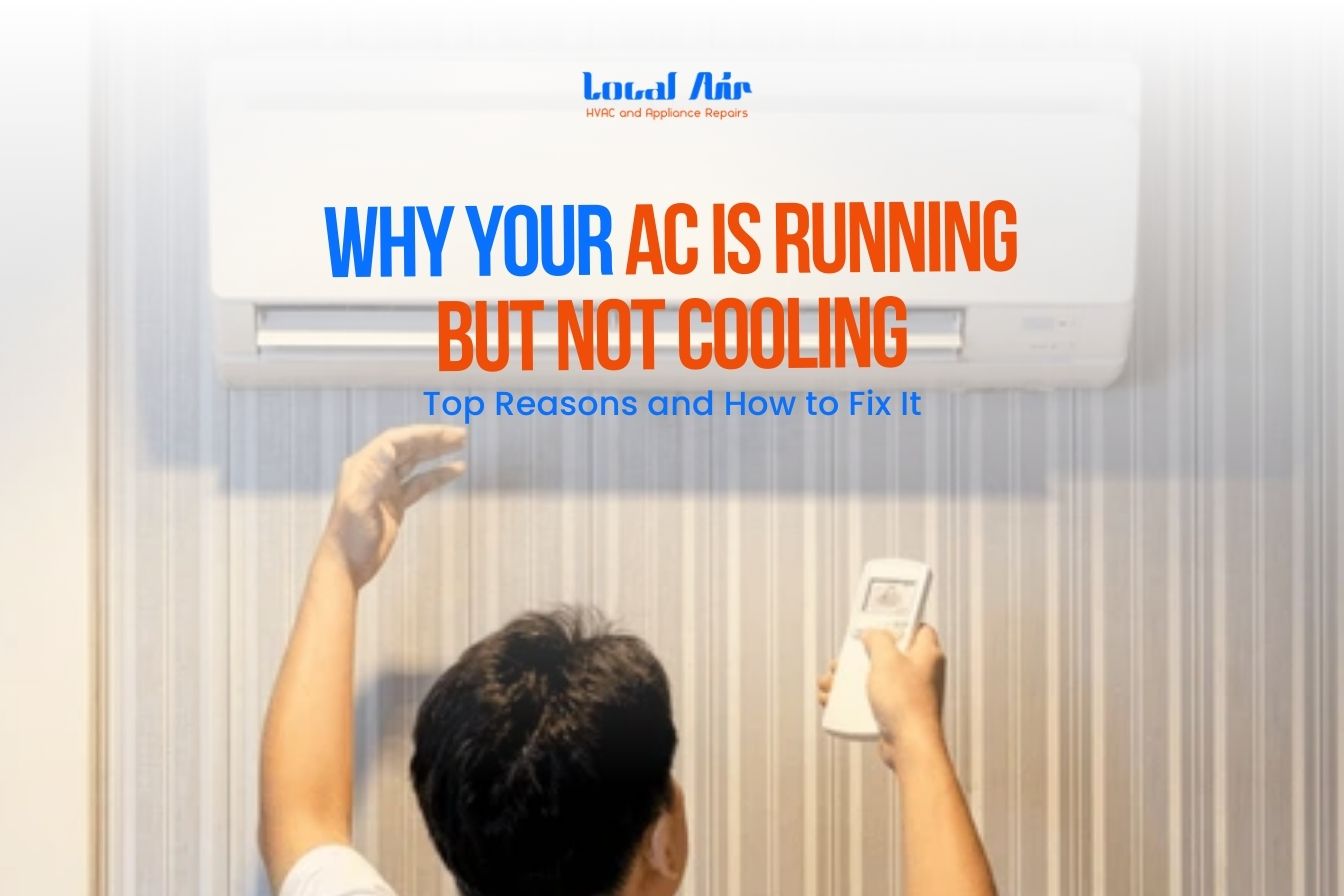
When the summer heat sets in, few things are more frustrating than an air conditioner that’s not delivering cool air. It’s a frustrating situation, especially when you’re relying on your system to provide relief from the intense heat.
In Florida, air conditioning systems are among the largest contributors to home energy use, often accounting for more than 39% of a household’s electricity consumption due to long cooling seasons and high demand for indoor comfort. When your system fails to cool effectively, the impact can show up quickly; in discomfort, in rising energy bills, and in unnecessary strain on your equipment.
In this blog, we’ll walk you through the common reasons why your AC may be running but failing to cool, along with practical steps you can take to resolve the issue. We’ll also explore how each problem impacts your system’s performance in the long run and how Local Air HVAC can help restore comfort to your home or business.
Key Takeaways
An AC that runs without cooling usually points to airflow issues, refrigerant problems, electrical faults, or system sizing mismatches.
Small maintenance problems like dirty filters and blocked outdoor units can quietly drive up energy bills and system strain.
Cooling inefficiencies compound over time, leading to higher repair costs, shorter equipment lifespan, and comfort instability.
Many performance issues can be prevented with regular inspections, proper airflow management, and early professional servicing.
Fast action protects both comfort and long-term operating cost, especially in hot, high-demand climates like Florida.
8 Reasons Why Your AC is Working But Not Cooling
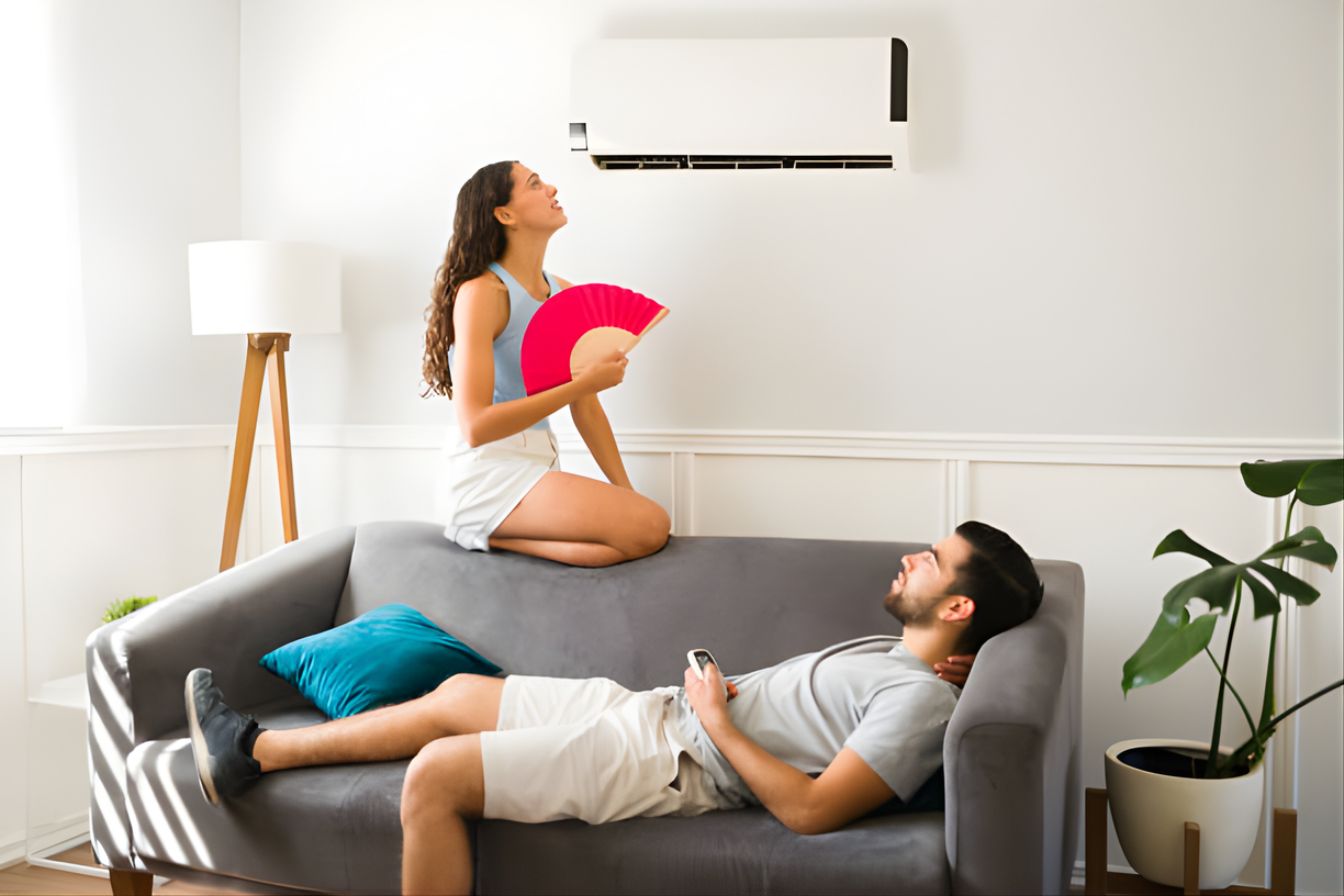
If your AC is working but not cooling, it’s likely that one or more issues are impacting its ability to effectively remove heat from your home. While your system may seem to be running, blowing air or making noise, it isn’t cooling as it should. Identifying the problem early can help you prevent further damage and costly repairs.
Below are 9 reasons your AC might not be cooling, including possible causes for each issue:
1. Clogged or Dirty Air Filters
When the air filters are clogged, airflow through the system is restricted. This reduces the AC’s cooling efficiency, forcing it to work harder and fail to cool the space effectively.
Possible causes:
Dust and debris buildup on filters
Filters that haven’t been replaced in a long time
Filters not designed for the level of airflow required
2. Low Refrigerant Levels
Refrigerant is the substance that absorbs heat from your home and expels it outside. If refrigerant levels are low, the AC won’t be able to cool the air properly, even though the system might still be running.
Possible causes:
Leaks in the refrigerant lines
Incorrect refrigerant charge during installation
Refrigerant degradation over time
3. Dirty Coils
The evaporator and condenser coils are responsible for absorbing and expelling heat. When these coils get dirty, they can’t perform their heat transfer function effectively, leading to poor cooling.
Possible causes:
Dust, dirt, and grime buildup on coils
Mold growth in humid climates, especially in Florida
Lack of routine coil cleaning during maintenance
4. Faulty Blower Fan
The blower fan is responsible for circulating air across the cooling coils and through the vents. If the fan is malfunctioning, it can’t effectively push cool air into your home.
Possible causes:
Broken or malfunctioning fan motor
Obstructions in the fan or blower wheel
Worn-out or damaged fan belts
5. Thermostat Malfunctions
The thermostat regulates the temperature by signaling the AC when to start or stop cooling. If it’s malfunctioning, it could cause the system to run without cooling or even run continuously without reaching the desired temperature.
Possible causes:
Thermostat settings miscalibrated
Faulty sensors inside the thermostat
Incorrect thermostat placement (near heat sources or direct sunlight)
6. Blocked Outdoor Unit
The outdoor unit expels the heat absorbed from inside your home. If it’s blocked by debris or dirt, it can’t release heat effectively, causing the system to fail at cooling.
Possible causes:
Leaves, twigs, or debris blocking the condenser
Grass or plants growing too close to the outdoor unit
Dirt accumulation around the unit, reducing airflow
7. Electrical Issues
The electrical components of your AC, such as the compressor and capacitor, play a crucial role in cooling. Electrical failures can cause the AC to run without cooling properly or lead to a system shutdown.
Possible causes:
Faulty capacitors
Broken compressor motor
Tripped circuit breaker or faulty wiring
8. Improperly Sized AC Unit
An AC unit that is too small for the space it’s cooling may run continuously without reaching the desired temperature, leading to inadequate cooling.
Possible causes:
Installation of an undersized system for the home’s square footage
High humidity or heat load, causing the system to struggle
Aged systems that can no longer handle the cooling demands
How Do These Reasons Impact the Long‑Term Performance of Your AC?
When your AC is working but not cooling, the immediate discomfort is obvious. What’s less obvious is how the underlying causes undermine system performance over time. Left unaddressed, these problems increase energy cost, wear key components, and shorten equipment life.
Below is a breakdown of what happens when each issue persists:
1. Reduced System Efficiency and Higher Energy Costs
Causes like clogged filters, dirty coils, or blocked outdoor units limit airflow and heat exchange. When the system can’t move heat efficiently:
The compressor and fans must run longer to reach the same temperature.
Longer run times increase energy consumption.
As a result, your cost per unit of cooling rises, and utility bills go up.
Over time, this repeated strain forces key components to work harder, increasing wear.
2. Increased Wear and Component Failure
Issues such as low refrigerant, refrigerant leaks, or faulty blower fans create conditions where internal parts operate under stress:
Compressors running under low refrigerant can overheat and fail prematurely.
Motors and bearings on fans wear out faster when airflow is restricted.
Controllers and electrical components can fail due to irregular loads.
This chronic strain leads to higher maintenance costs and more frequent breakdowns over the life of the system.
3. Shortened Equipment Lifespan
When an AC system runs inefficiently, it simply does more work than it was designed for:
Continuous cycles without effective cooling accelerate wear.
Increased run hours reduce the lifespan of major components like compressors and motors.
Units under constant stress often need replacement sooner than expected.
In competitive cooling environments like Florida, equipment uptime and lifecycle cost become critical business metrics.
4. Poor Temperature and Comfort Control
Problems like thermostat malfunctions or improperly sized units can lead to inconsistent temperatures or frequent cycling:
Thermostat errors lead to inaccurate readings and mismatches between demand and output.
Undersized systems may never meet set points, resulting in persistent discomfort.
Poor temperature control not only affects comfort but also impacts productivity, system predictability, and occupant satisfaction in both homes and workplaces.
5. Higher Risk of Emergency Failures
When issues like electrical faults, refrigerant leaks, or blocked units go unresolved:
Mid‑season failures become more likely.
Emergency repairs cost more and disrupt normal operations.
Downtime increases as technicians diagnose compounded faults.
A system that repeatedly fails in peak cooling months can become a liability rather than an asset.
6. Safety and Indoor Environmental Quality Issues
Problems like blocked outdoor units and restricted airflow don’t just impact cooling; they affect safety and air quality:
Poor airflow and dirty coils can increase humidity and indoor contaminants.
Restricted ventilation may lead to stagnant conditions that trigger indoor environmental conditions worse than comfort alone.
Electrical faults can increase fire risk when left unchecked.
Over time, these factors contribute to indoor environment risks and occupant complaints.
7. Compounding Failure Effects
Finally, many of these problems interact:
Restricted airflow accelerates coil dirt buildup.
Coil issues increase compressor stress.
Electrical faults increase when motors run hot.
These cascading effects are costly and time‑consuming to fix because they often lead to multiple simultaneous failures.
What Can You Do if Your Air Conditioner is Not Cooling?
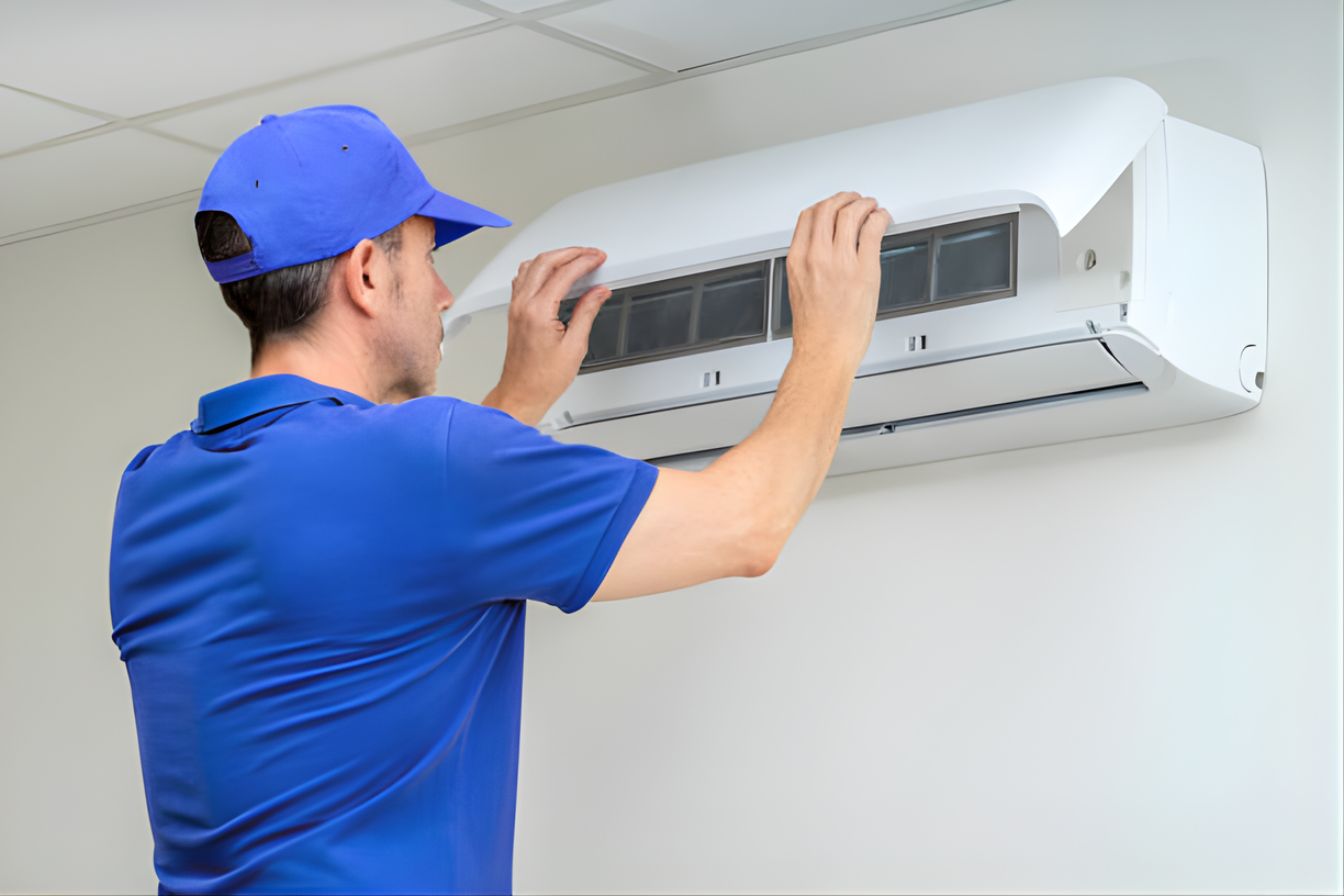
It's important to act quickly to avoid higher energy bills and potential system damage. While some issues may be easy to identify and fix, others require professional help. This section outlines practical steps you can take to diagnose the issue and take corrective action, ensuring your AC returns to peak performance and improves efficiency:
1. Check and Replace Air Filters
Dirty filters restrict airflow and reduce the system’s ability to cool effectively. This is often one of the simplest issues to address.
Actionable steps:
Inspect filters monthly, especially during peak seasons like summer.
Replace standard filters every 1–3 months.
Consider pleated or higher‑MERV filters in dusty or high‑traffic areas.
Why this helps: Clean filters allow proper airflow across coils, improving heat transfer and reducing runtime without cooling loss.
2. Clear Vents and Return Air Pathways
Obstructions in the vents or return ducts can mimic cooling failure.
Actionable steps:
Make sure furniture, curtains, or décor are not blocking supply vents.
Ensure return air grilles are free of dust buildup.
Vacuum visible duct openings to reduce light debris.
Why this helps: Unrestricted airflow ensures that cooled air circulates properly throughout the living or work space.
3. Ensure Outdoor Unit Clearance
Your condenser must expel heat efficiently. Blockage around this unit can drastically reduce cooling.
Actionable steps:
Trim plants, bushes, and grass away from the unit (aim for at least 24–36 inches of clearance).
Remove debris, leaves, or standing dirt around the base.
Check that the unit’s condenser fins are upright and clear.
Why this helps: Good airflow around the outdoor unit improves heat rejection, which directly impacts cooling capacity and energy efficiency.
4. Inspect Coil Surfaces
Both the evaporator coil inside and the condenser coil outside must remain clean for proper heat exchange.
Actionable steps:
Look for visible dirt or buildup on coils.
Schedule professional coil cleaning if the buildup is significant.
Regularly remove debris from around the outdoor coil area.
Why this helps: Clean coils transfer heat more effectively, helping the AC cool more consistently with less strain on key components.
5. Verify Thermostat Settings and Placement
Sometimes the issue isn’t the AC itself; it’s what the thermostat is telling it to do.
Actionable steps:
Set the thermostat to a cooling mode and a reasonable temperature below room temperature.
Replace old batteries in digital thermostats to ensure accurate readings.
Avoid placing the thermostat near heat sources or direct sunlight.
Why this helps: Accurate temperature sensing ensures the AC starts and stops at appropriate points, which supports balanced cooling and reduces unnecessary runtime.
6. Inspect Refrigerant Levels (Professional)
Improper refrigerant level is a common cause of cooling loss. However, handling refrigerant requires licensed expertise.
Actionable steps:
Have a certified technician perform a refrigerant pressure check.
If low levels are detected, have the technician check for leaks before a recharge.
Never add refrigerant without a professional diagnosis; an incorrect charge can damage equipment.
Why this helps: Correct refrigerant charge ensures the system can absorb and expel heat as designed, restoring cooling capacity and protecting compressor life.
7. Evaluate and Service the Blower Fan
The blower fan pushes cooled air into your space. If it’s failing or obstructed, cooling will feel weak.
Actionable steps:
Listen for unusual noises from the blower area.
Check for visible blockage in the return air compartment.
Schedule a blower inspection with a service technician if the airflow is weak.
Why this helps: A properly functioning blower ensures cooled air reaches occupied spaces efficiently, improving perceived and actual cooling performance.
8. Address Electrical Component Faults (Professional)
Electrical issues in the AC system can stop the compressor or fan from performing properly, even if the unit appears to run.
Actionable steps:
Have a technician inspect capacitors, contactors, and relays for wear or failure.
If breakers are tripping frequently, investigate wiring or overload issues.
Replace any worn or burnt electrical parts safely.
Why this helps: Healthy electrical components support consistent operation and reduce the odds of unexpected failures or unsafe conditions.
9. Check for Proper Unit Sizing
If your AC has always struggled to cool or has continued issues even after maintenance, it might be the wrong size for the space.
Actionable steps:
Compare your home’s square footage and heat load with the AC’s rated capacity.
Consult HVAC professionals to assess whether the current model matches cooling demand.
Consider upgrades or supplementary systems if mis‑sized.
Why this helps: An appropriately sized system cools effectively without constant runtime or strain, an important factor in Florida’s hot climate.
10. Schedule Routine Preventive Maintenance
Consistent checkups keep potential problems from turning into performance breakdowns.
Actionable steps:
Book seasonal inspections, ideally before summer and winter.
Include filter checks, coil cleaning, airflow testing, and electrical evaluations.
Keep a service log to track recurring issues and performance trends.
Why this helps: Routine maintenance helps stabilize performance, reduce emergency calls, and extend equipment life while minimizing long‑term operating cost.
How Local Air HVAC Can Help Optimize Your Air Conditioner’s Performance?
At Local Air HVAC, we understand how important a fully functional and efficient air conditioning system is, especially in Florida’s hot, humid climate. Our team of expert technicians specializes in ensuring your system runs smoothly, keeps you comfortable, and saves you money in the long run.
We offer tailored solutions based on your system’s specific needs, from diagnosing why your AC isn’t cooling properly to implementing energy-saving measures.
Our Services Include:
Comprehensive Diagnostics: We assess the condition of your AC system to pinpoint underlying issues that are preventing efficient cooling, such as refrigerant leaks, airflow problems, or thermostat malfunctions.
Refrigerant Recharge & Leak Repair: Our technicians ensure the correct refrigerant levels and safely handle any leaks, which is crucial to maintaining cooling performance and efficiency.
Airflow Optimization: We clean or replace filters, inspect coils, and fix blower issues to enhance airflow, ensuring that your AC cools effectively and operates without strain.
Preventive Maintenance Plans: We offer routine maintenance packages to keep your AC performing at its best year-round, extending its lifespan and minimizing unexpected repairs.
Expert Guidance on System Upgrades: If your current system is outdated or improperly sized, we help you make informed decisions about upgrades or replacements that will improve performance and energy efficiency.
Local Expertise: Serving the Palm Beach County area, we understand the unique challenges of keeping AC units working efficiently in South Florida’s climate.
Customer-Centric Service: Our technicians take the time to explain issues and solutions in simple terms, giving you peace of mind and control over your system.
Don’t let a malfunctioning AC disrupt your comfort. Contact Local Air HVAC today to schedule a comprehensive system inspection, discuss preventive maintenance, or get expert advice on improving your air conditioner’s performance.
Conclusion
We all know how important a properly functioning AC is in Florida. If your AC is working but not cooling, identifying the cause is key to avoiding bigger, more expensive issues down the road.
At Local Air HVAC, we understand how vital it is to keep your system running efficiently, especially when the Florida sun is unforgiving. Our team of experts is ready to help you pinpoint the issue, perform the necessary repairs, and ensure your AC is ready to keep your home or business cool all year long.
Reach out to Local Air HVAC for professional service and enjoy reliable cooling all season long!
FAQs
1. Can high humidity make my AC feel like it isn’t cooling even when it is working properly?
Yes. Excess humidity reduces how cool the air feels and forces the AC to work longer cycles. Poor dehumidification often points to airflow issues, dirty coils, or oversized systems that cool too quickly without removing moisture.
2. Why does my AC cool better at night but struggle during the day?
Daytime heat load increases from sunlight, appliances, and outdoor temperatures. If cooling drops sharply in peak heat, it often signals coil inefficiency, refrigerant issues, or an undersized unit.
3. Is weak airflow always a duct problem?
Not always. Weak airflow is commonly caused by clogged filters, dirty coils, failing blower motors, or blocked returns. Duct issues are just one of several possibilities.
4. How can I tell if rising energy bills are linked to cooling problems?
If your AC runs longer without achieving the set temperature or cycles constantly, efficiency is likely dropping. This usually shows up as sudden bill increases without a change in usage habits.
5. When should I consider replacing instead of repairing my AC?
If your system is over 10–15 years old, struggles consistently to cool, and requires frequent repairs, replacement often becomes more cost-effective than ongoing fixes.